


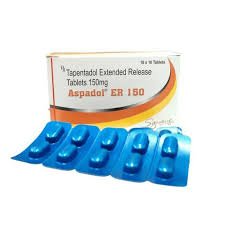

Is Aspadol 150mg Safe for Elderly Patients? Risks and Alternatives
Introduction
Is Aspadol 150mg safe for elderly patients? This is one of the most important questions families and caregivers ask when managing pain in older adults.
Pain is more common with age due to conditions like arthritis, nerve damage, and post-surgical recovery. While medications like Aspadol 150mg (Tapentadol) are effective for moderate to severe pain, elderly patients require special consideration due to changes in metabolism, sensitivity, and overall health.
Understanding the risks, benefits, and alternatives is essential before using this medication in older populations.
What is Aspadol 150mg, and How Does It Work?
Aspadol 150mg contains Tapentadol, a centrally acting pain reliever that works through a dual mechanism:
- It reduces pain signals in the brain
- It enhances the body’s natural pain suppression pathways
This makes it effective for:
- Severe musculoskeletal pain
- Post-surgical pain
- Certain types of nerve-related pain
However, its effects on the central nervous system are exactly why caution is needed in elderly patients.
Why Elderly Patients Respond Differently to Pain Medication
Aging changes how the body processes drugs.
Key physiological changes include:
- Slower liver metabolism
- Reduced kidney function
- Increased sensitivity to sedatives
- Higher risk of drug interactions
This means a dose that is manageable for a younger adult may be too strong or unpredictable for an older patient.
Is Aspadol 150mg Safe for Elderly Patients?
The answer is not a simple yes or no.
Aspadol 150mg can be used in elderly patients—but only with careful medical supervision.
It may be considered when:
- Pain is moderate to severe
- Other medications are ineffective
- The patient requires stronger pain control
However, safety depends on:
- Overall health condition
- Existing medications
- Monitoring and dosage adjustments
Risks of Aspadol 150mg in Elderly Patients
1. Increased Risk of Sedation
Older adults are more sensitive to central nervous system depressants.
This can lead to:
- Excessive drowsiness
- Confusion
- Reduced alertness
This increases the risk of falls and injuries, which are a major concern in elderly care.
2. Higher Fall Risk
Even mild dizziness or imbalance can be dangerous.
Falls in elderly patients can result in:
- Fractures
- Hospitalization
- Long-term mobility issues
3. Cognitive Effects
Aspadol may affect:
- Memory
- Concentration
- Mental clarity
In elderly patients, this may be mistaken for:
- Dementia progression
- Neurological decline
4. Respiratory Sensitivity
Although less intense than some opioids, Tapentadol can still:
- Slow breathing
- Increase risk in patients with lung conditions
5. Drug Interactions
Elderly patients often take multiple medications.
This increases the risk of interactions with:
- Antidepressants
- Sedatives
- Blood pressure medications
The Overlooked Risk: Functional Decline
Most discussions focus on side effects.
But a deeper concern is:
Loss of independence
If a medication causes:
- Sedation
- Reduced mobility
- Confusion
It may indirectly impact:
- Daily activities
- Balance
- Confidence
This is why treatment goals in elderly patients go beyond pain relief.
Safer Alternatives to Aspadol 150mg for Elderly Patients
When evaluating alternatives, the goal is not just safety, but functional balance.
1. Mild to Moderate Pain Options
- Paracetamol (commonly preferred first-line)
- Topical pain relievers
These have fewer systemic effects.
2. Non-Drug Approaches
Often underutilized but highly effective:
- Physical therapy
- Gentle exercise
- Heat or cold therapy
- Lifestyle adjustments
These reduce reliance on medications.
3. Combination Therapy Approach
Instead of high-dose medication, doctors may use:
- Lower doses of multiple treatments
- Multimodal pain strategies
This reduces risk while maintaining effectiveness.
4. Tailored Pain Management Plans
Modern care focuses on:
- Personalized treatment
- Gradual adjustments
- Monitoring response
When Aspadol 150mg May Still Be Appropriate
Despite risks, there are cases where it may be necessary.
For example:
- Severe post-surgical pain
- Advanced arthritis pain
- Cases where other medications fail
The key is controlled, short-term use with close supervision
Practical Considerations for Caregivers
If an elderly patient is prescribed Aspadol:
- Monitor for unusual drowsiness
- Watch for balance issues
- Track mental clarity changes
- Ensure proper hydration
- Maintain regular medical follow-ups
Early observation can prevent complications.
Final Thoughts
Is Aspadol 150mg safe for elderly patients?
It can be—but only under the right conditions.
The real priority in elderly pain management is not just reducing pain, but:
- Preserving independence
- Maintaining clarity
- Supporting mobility
Aspadol 150mg may have a role, but it should always be part of a carefully balanced treatment plan.