India attracts mountaineers from different parts of the world because of its impressive Himalayan peaks, challenging climbing routes, and diverse trekking landscapes. Foreign nationals planning a mountaineering or trekking expedition in India must obtain the appropriate travel authorisation before beginning their journey. The India e-Mountaineering Visa provides an online application option for eligible international travellers who intend to participate in these activities.
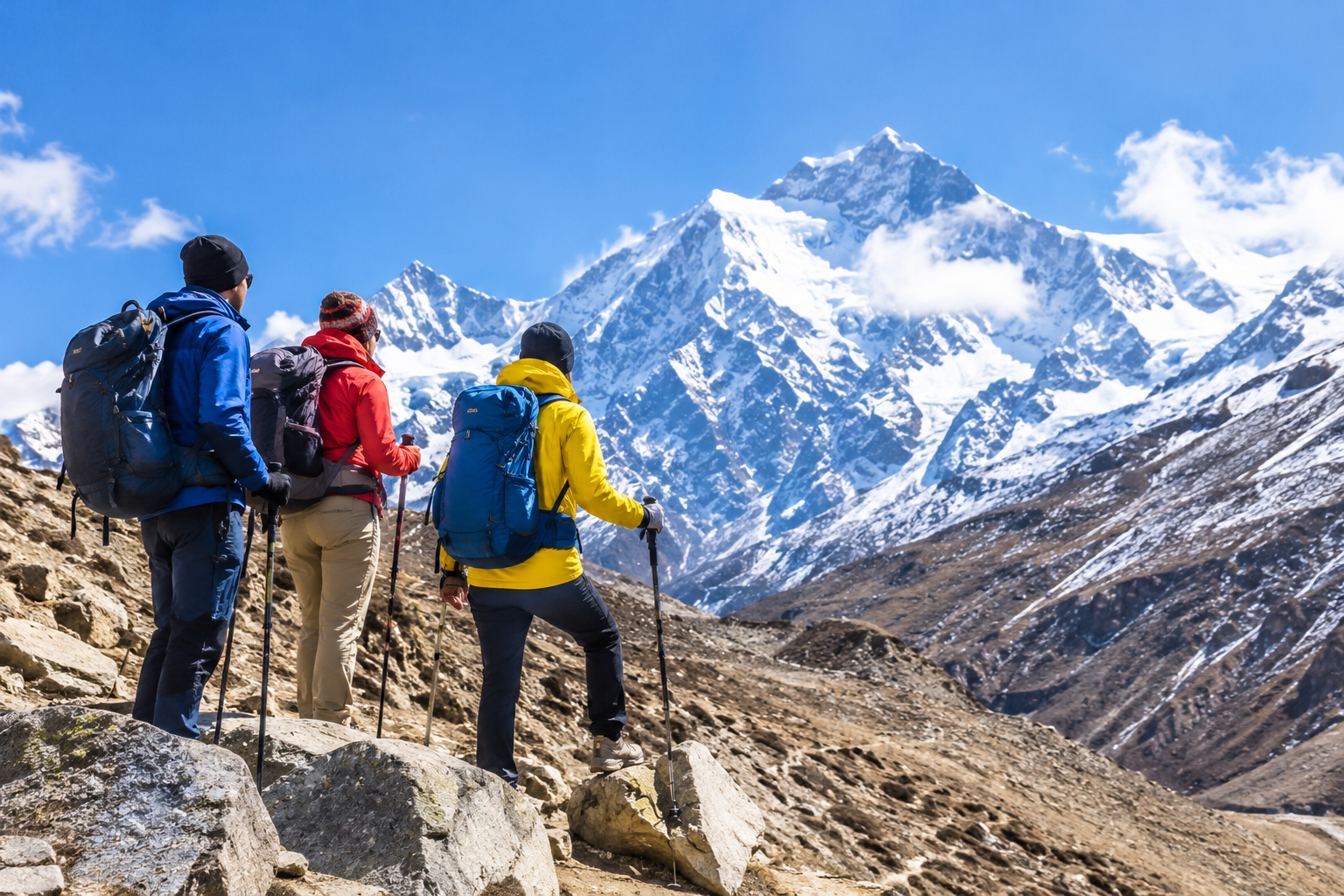
Foreign climbers should understand the India e-Mountaineering Visa application process , including passport requirements, IMF clearance, visa processing time, validity, permitted activities, additional expedition permits, and ETA entry conditions. Preparing these details in advance helps ensure a smoother visa application and travel experience.
How Long Does It Take to Process an India e-Mountaineering Visa?
The processing time for an India e-Mountaineering Visa depends on the service selected by the applicant. Foreign climbers should consider the following processing options before submitting their applications:
- Normal Processing: Usually takes around 3–6 days for application review and approval.
- Urgent Processing: Takes approximately 1–3 days for applicants who need faster processing.
What Is the Validity Period of an India e-Mountaineering Visa?
The India e-Mountaineering Visa has a validity period of 180 days and allows foreign climbers to stay in India for up to 30 days. It is issued as a single-entry visa, meaning travellers should plan their expedition and departure dates carefully. An online extension request may also be available, subject to the applicable conditions.
Which Documents Are Required for an India e-Mountaineering Visa?
Applicants need to prepare the required supporting documents before starting their online application. Clear and accurate documents help ensure that the submitted information can be reviewed properly.
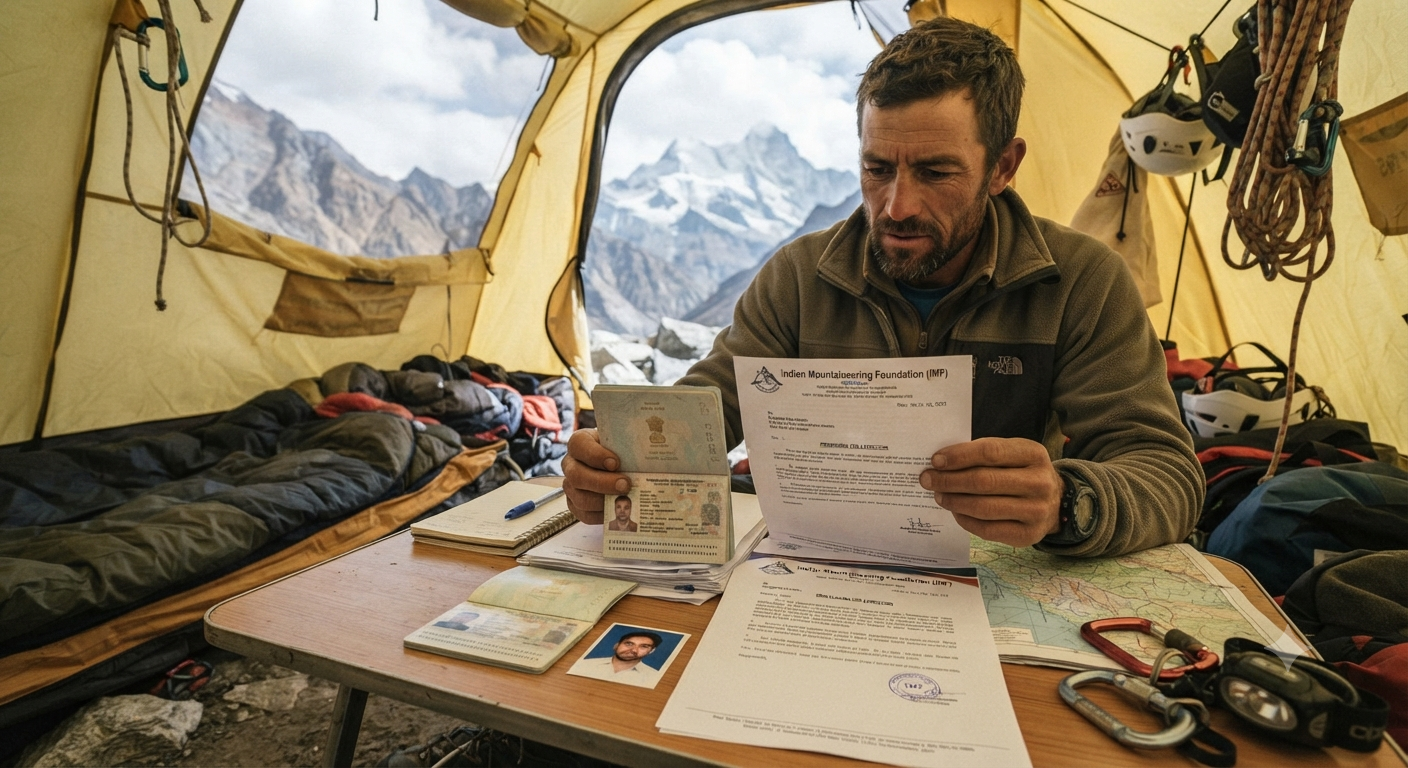
- Passport bio page: A scanned copy of the passport information page is required. The personal details and machine-readable zone (MRZ) must be completely visible.
- Recent digital photograph: Applicants must provide a recent, coloured photograph showing their face clearly from the front.
- IMF clearance letter: A clearance letter issued by the Indian Mountaineering Foundation is required for the mountaineering visa application.
How Can Foreign Travellers Apply for an India e-Mountaineering Visa Online?
The online application process allows eligible foreign nationals to submit their visa details electronically. Applicants should follow each step carefully to avoid mistakes.
- Choose the visa category: Select India e-Mountaineering Visa when starting the online application.
- Complete the application form: Enter the requested personal, educational, passport, and travel information accurately.
- Upload supporting documents: Attach the passport bio page, recent photograph, and required IMF clearance letter.
- Pay the application fee: Complete the online payment using an available credit card, debit card, or supported payment wallet.
- Wait for the decision: Monitor the registered email address for the application outcome and Electronic Travel Authorisation (ETA).
Are Special Permits Required for Mountaineering in India?
Yes, foreign mountaineers may need special permits to climb certain mountains or enter restricted areas in India. The Indian Mountaineering Foundation (IMF) coordinates expedition clearances and route-related arrangements. An approved e-Mountaineering Visa alone does not guarantee access to every climbing location, so travellers should confirm the additional permission requirements for their chosen expedition before departure.
Can Foreign Mountaineers Visit Restricted Mountain Areas in India?
Foreign mountaineers may visit certain restricted mountain areas in India only after obtaining the required additional permissions. An India e-Mountaineering Visa does not automatically provide access to every mountain region. Before planning an expedition, climbers should consider the following points:
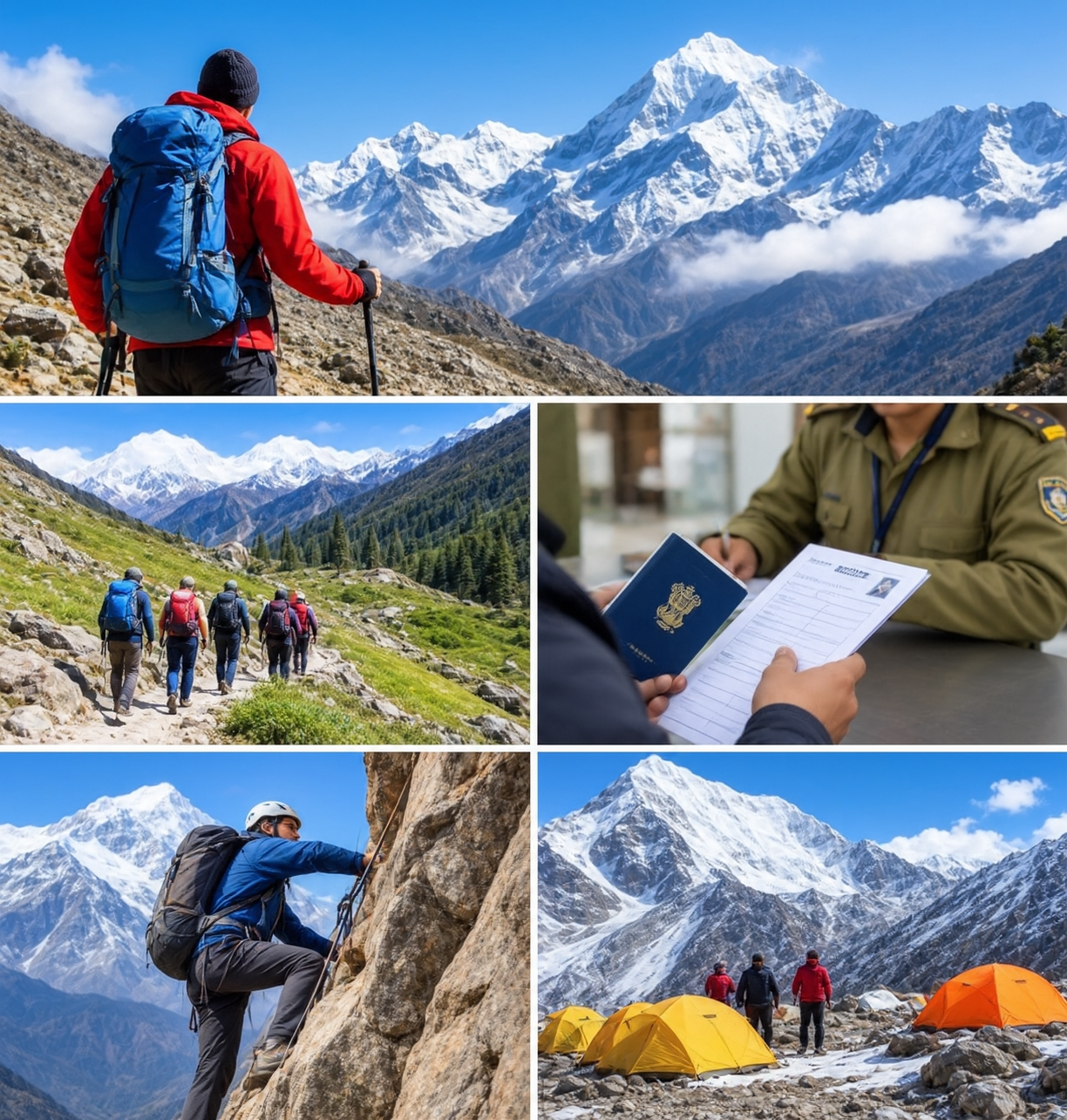
- Restricted Area Permission: Certain mountain regions require special entry authorisation.
- Expedition Clearance: Climbers should obtain the necessary IMF clearance for their planned expedition.
- Approved Routes: Travellers must follow the conditions and routes authorised for their expedition.
- Advance Planning: Confirm all permission requirements before booking transport, accommodation, or climbing arrangements.
What Should Travellers Do After Receiving Their India e-Mountaineering Visa ETA?
After receiving an approved Electronic Travel Authorisation by email, travellers should review the document carefully. Checking the information before departure can help prevent avoidable problems at the immigration checkpoint.
- Check their personal and passport details for accuracy.
- Review the visa validity and permitted stay.
- Print a copy of the approved ETA.
- Keep a digital copy available on their mobile device.
- Carry the required travel and expedition documents.
What Are the Common Reasons for India e-Mountaineering Visa Rejection?
Foreign climbers should carefully review their India e-Mountaineering Visa application before submission, as incomplete documents or incorrect information may cause delays or affect the application outcome. Common mistakes to avoid include:
- Unclear Passport Scan: Uploading a blurred or incomplete passport bio page.
- Incorrect Photograph: Submitting a photograph that does not meet the required specifications.
- Missing IMF Clearance: Failing to provide the required Indian Mountaineering Foundation clearance letter.
- Incorrect Information: Entering inaccurate personal, passport, or travel details.
- Eligibility Issues: Applying without checking the visa requirements.
Conclusion:
The India e-Mountaineering Visa is an important travel authorisation for eligible foreign climbers planning mountaineering and trekking expeditions in India. Understanding its document requirements, online application procedure, processing time, 180-day validity, and 30-day permitted stay can make travel preparation easier. Applicants should also remember that visa approval does not automatically provide permission to enter every mountain region. IMF clearance and additional permissions may be necessary depending on the planned expedition. Preparing the required documents, checking the travel conditions, and obtaining the necessary clearances before departure can help international mountaineers organise a smoother and more informed journey to India’s mountain destinations.