




Every property requires maintenance, whether it is a modern apartment, a family villa, or an older residential building. In Dubai, regular use, dust, heat, humidity, and continuous air-conditioning can create maintenance challenges for homeowners. Understanding common home repair issues in Dubai helps property owners recognise early warning signs and arrange suitable repairs before problems become more disruptive.
Some issues are minor and can be resolved through routine maintenance. Others require qualified technicians, particularly when they involve electrical systems, plumbing, waterproofing, or air-conditioning equipment.
1. Air-Conditioning Problems
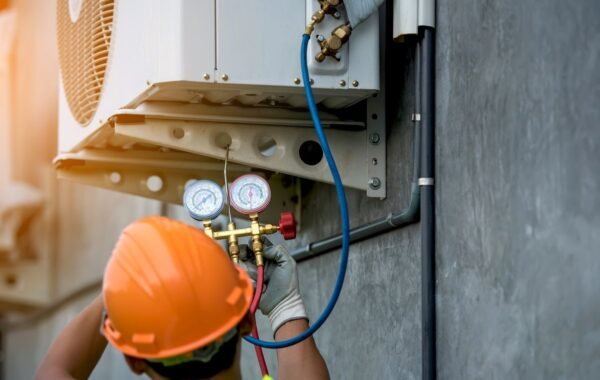
Air-conditioning problems are among the most inconvenient issues for Dubai residents. Weak airflow, unusual noises, unpleasant smells, inconsistent cooling, and water dripping from an indoor unit can indicate that the system needs attention.
Dust accumulation on filters and vents can restrict airflow. Blocked drainage lines, maintenance problems, or equipment faults may also affect performance.
Start by checking accessible filters and cleaning them according to the manufacturer’s instructions. Keep vents clear and arrange regular servicing based on system requirements.
If the unit continues to perform poorly, leaks water, or produces unusual sounds, contact a qualified AC technician. Avoid opening electrical or mechanical components without the necessary training.
2. Plumbing Leaks and Blocked Drains
Leaking taps, dripping pipes, slow drains, running toilets, and unpleasant smells can affect everyday household use. Even a small leak may damage cabinets, walls, ceilings, or flooring if it remains unnoticed.
Check visible pipe connections, taps, under-sink cabinets, and areas around toilets and washing machines. If water pressure changes unexpectedly or a drain repeatedly becomes blocked, the cause may require professional investigation.
Avoid using unsuitable chemicals or forcing tools into pipes, as these actions can sometimes damage plumbing components. A qualified plumber can inspect the affected section and recommend cleaning, repair, or replacement as necessary.
3. Electrical Faults and Damaged Fixtures
Electrical issues should always be treated carefully. Flickering lights, loose switches, damaged sockets, repeated circuit breaker trips, and unusual burning smells may indicate a fault.
Do not ignore these warning signs or continue using a damaged outlet. If you notice sparks, overheating, or a burning smell, stop using the affected fixture and contact a qualified electrician.
Routine checks can help identify visible damage, but internal wiring, distribution boards, and electrical repairs should be handled by appropriately qualified professionals.
4. Peeling Paint and Wall Damage
Paint can deteriorate because of age, surface preparation problems, moisture, or everyday wear. Common signs include peeling, bubbling, cracks, stains, and discoloured patches.
Before repainting, identify the cause of the damage. If water is entering through a plumbing connection, roof area, window seal, or bathroom wall, the source must be addressed first.
For minor surface deterioration, preparation, filling, sanding, and repainting may be sufficient. More extensive damage may require plaster repairs or a professional inspection before decorative work begins.
5. Bathroom Waterproofing and Tile Problems
Bathrooms are exposed to regular water and moisture, making waterproofing and tile condition important maintenance considerations.
Warning signs include loose tiles, damaged grout, recurring damp patches, water stains on nearby ceilings, and peeling paint outside the bathroom. These symptoms do not automatically confirm waterproofing failure, but they should be investigated.
Do not rely on applying fresh grout or sealant as a permanent solution without understanding the underlying issue. Depending on the findings, repairs may involve plumbing work, replacing damaged tiles, renewing sealant, or correcting waterproofing defects.
A professional assessment is particularly important when moisture appears in adjoining rooms or on ceilings below bathrooms.
6. Cracked or Loose Flooring
Flooring can become damaged through impact, wear, movement, moisture, or installation problems. Cracked tiles, loose boards, damaged grout, and uneven sections can affect the appearance and usability of a room.
Inspect areas around kitchens, bathrooms, entrances, and frequently used walkways. If a tile sounds hollow, becomes loose, or repeatedly cracks after repair, the underlying cause may need attention.
A flooring specialist can determine whether local repairs are suitable or whether a larger section needs replacement. Choose repair materials that match the existing flooring system.
7. Door, Window, and Cabinet Problems
Doors that do not close properly, loose handles, damaged hinges, sticking drawers, and worn window seals are common household maintenance issues.
In some cases, a simple adjustment or replacement fitting may solve the problem. However, repeated sticking or gaps around frames may require a closer inspection.
Check sliding doors, wardrobe hinges, cabinet runners, and window locking mechanisms periodically. Damaged seals should also be reviewed, especially where dust or water enters around the frame.
Carpentry and general maintenance professionals can help repair or replace damaged fittings and restore normal operation.
8. Drainage and Balcony Maintenance
Balconies and outdoor areas are exposed to dust and environmental conditions. Blocked drains, loose tiles, damaged sealant, and water pooling can create maintenance concerns.
Keep accessible drainage outlets clear of debris and inspect visible floor joints and edges. If water repeatedly collects in one area, ask a professional to assess the drainage and surface slope.
Avoid carrying out external façade or high-level repairs without appropriate equipment, permissions, and trained personnel.
9. Damaged Kitchen Fixtures and Cabinets
Kitchen cabinets, countertops, sinks, taps, and hinges experience frequent use. Over time, cabinet doors may become misaligned, worktops may develop stains or chips, and plumbing connections may begin to leak.
Inspect the areas beneath the sink and around appliances. Look for swelling, loose fittings, damaged sealant, and signs of moisture.
Some problems only require replacing a hinge or resealing a joint. More extensive deterioration may call for cabinet repairs, countertop replacement, or a wider kitchen refurbishment.
How to Prevent Common Home Repair Problems
A regular maintenance routine can help homeowners identify issues earlier. Check visible plumbing connections, AC performance, electrical fixtures, paintwork, flooring, windows, and bathroom surfaces periodically.
Keep maintenance records and photographs of recurring problems. This makes it easier to explain the issue to a technician and track whether previous repairs have solved it.
It is also useful to arrange professional inspections and equipment servicing according to manufacturer recommendations and the property’s condition. Preventive maintenance cannot eliminate every fault, but it can help reduce avoidable disruption.
When Should You Hire a Technical Services Company?
Some minor tasks may be manageable through routine household care, but specialist work should be assigned to qualified professionals. Electrical faults, plumbing leaks, AC repairs, waterproofing concerns, and significant flooring damage require appropriate skills and equipment.
If several areas of your property need attention, a technical services company may help coordinate different types of maintenance and repair work.
Before hiring a provider, request a written quotation that explains the work included, materials, expected schedule, exclusions, and any additional charges. Check relevant experience and make sure the proposed work matches the actual problem.
Conclusion
Common home repair issues in Dubai include AC faults, plumbing leaks, electrical problems, damaged paint, bathroom moisture, flooring deterioration, and worn fixtures. Recognising these signs early can help property owners arrange appropriate repairs and avoid unnecessary damage.
A combination of regular inspections and professional technical services can make property maintenance easier to manage. Rather than waiting for a small issue to become a major inconvenience, address warning signs promptly and choose repair solutions based on the property’s actual condition.


