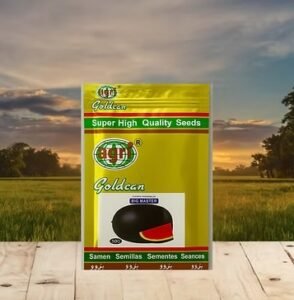
Vegetable farming plays an important role in agriculture by providing fresh food, supporting rural livelihoods, and creating business opportunities for farmers. With changing market demands and increasing interest in quality vegetables, selecting suitable seeds has become an important part of successful crop production. Good seed selection helps farmers begin their cultivation journey with a clear plan and suitable crop choices.
Hybrid Vegetable Seeds are developed through controlled breeding methods to combine desirable characteristics from selected parent plants. These seeds are widely used in different vegetable crops because they can offer uniform plant growth, consistent crop development, and market-preferred characteristics under suitable growing conditions.
What Are Hybrid Vegetable Seeds?
Hybrid vegetable seeds are produced by crossing two carefully selected parent lines. The resulting first-generation hybrid may combine useful traits from both parents, such as plant vigor, fruit quality, maturity, or uniformity.
Different hybrids are developed for different vegetable crops and growing conditions. Farmers can find hybrid options for crops such as tomato, cabbage, cucumber, okra, sweet corn, watermelon, and many other vegetables.
The characteristics of each hybrid depend on its breeding background. Therefore, farmers should always review the variety information and select seeds that match their local climate, soil, and cultivation requirements.
Benefits of Choosing Hybrid Vegetable Seeds
One of the important reasons farmers choose hybrid seeds is their potential to support consistent crop development. Uniform plants can make field management, harvesting, and grading more convenient.
Some desirable characteristics of hybrid vegetable varieties may include:
- Uniform plant growth and development
- Attractive vegetable appearance
- Consistent fruit or head formation
- Suitable maturity characteristics
- Good market presentation
- Adaptability to specific growing conditions
Actual performance depends on the selected hybrid and the farming environment. Proper cultivation practices are necessary to help plants express their desired characteristics.
Selecting the Right Hybrid for Your Farm
Choosing the right hybrid is an important decision for every vegetable grower. Before purchasing seeds, farmers should consider the crop they want to cultivate, the sowing season, and the expected market demand.
Climate suitability is another important factor. Some hybrids are developed for particular temperature ranges or growing seasons. Selecting a variety suitable for local conditions can help improve crop establishment and management.
Farmers should also consider the maturity period, recommended spacing, and cultivation guidelines provided for the hybrid. These details help in planning irrigation, fertilizer application, and harvesting activities.
Preparing the Soil for Healthy Growth
Healthy soil provides the foundation for successful vegetable cultivation. Most vegetable crops perform well in fertile, well-drained soil with suitable organic matter and balanced nutrients.
Before sowing or transplanting, farmers should prepare the field by removing weeds and unwanted plant material. Proper soil preparation helps improve root development and creates favorable conditions for plant growth.
Adding well-decomposed organic manure according to soil requirements can support soil structure and fertility. Soil testing is useful for understanding nutrient availability and determining suitable fertilizer application.
Good drainage should be maintained to reduce the risk of waterlogging and root-related problems.
Proper Sowing and Crop Management
Different vegetable crops require different sowing methods. Some vegetables are grown through direct sowing, while others are raised in nurseries and transplanted into the main field.
Farmers should follow the recommended sowing depth and spacing for the selected hybrid. Proper spacing allows plants to receive sufficient sunlight, air circulation, water, and nutrients.
During the early growth stage, maintaining suitable soil moisture is important for healthy establishment. Regular field monitoring helps farmers identify growth problems and take timely action.
Irrigation and Nutrient Management
Water and nutrients are essential for healthy vegetable production. Irrigation should be provided according to crop requirements, soil type, weather conditions, and growth stage.
Consistent moisture is particularly important during flowering, fruit development, and other critical stages of vegetable growth. However, excessive irrigation should be avoided because it may lead to waterlogging and root damage.
Balanced fertilizer application supports plant development and crop quality. Farmers should use soil test recommendations and follow crop-specific nutrient guidelines instead of applying fertilizers without proper assessment.
Managing Weeds, Pests, and Diseases
Weeds compete with vegetable plants for sunlight, nutrients, and moisture. Timely weed control helps young plants establish properly and reduces competition in the field.
Regular crop inspection is also important for identifying pests and diseases at an early stage. Farmers should maintain field sanitation, use suitable crop rotation practices, and follow recommended crop protection methods.
Integrated pest management can help growers combine preventive practices with appropriate control measures while supporting responsible crop production.
Harvesting and Market Quality
Vegetables should be harvested at the appropriate maturity stage according to the selected hybrid and market requirements. Timely harvesting helps maintain freshness, appearance, and quality.
Careful handling after harvest is equally important. Sorting, grading, and proper transportation can help reduce physical damage and improve the presentation of vegetables in the market.
Conclusion
Selecting suitable seeds is an important step toward productive vegetable farming. Hybrid Vegetable Seeds can offer desirable characteristics such as uniform growth, consistent crop development, and attractive produce when supported by proper agricultural practices.
Farmers should choose hybrids according to their local growing conditions, cultivation season, and market needs. With suitable seed selection, good soil preparation, balanced nutrition, timely irrigation, and effective crop management, growers can work toward healthy crops and quality vegetable production.