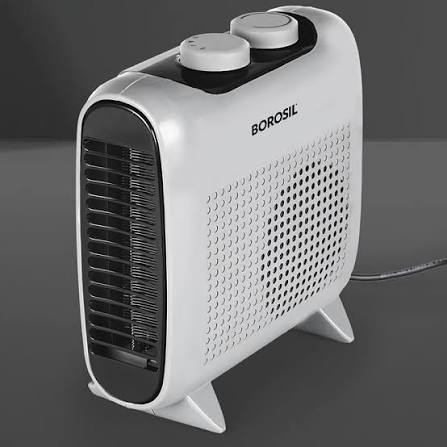

A room heater is a portable electric unit that warms one room at a time, using a fan, a quartz or halogen element, or oil-filled fins. Indian homes buy them for bedrooms and living rooms when night temperatures fall, then store them away once winter passes. The purchase is seasonal, low ticket and often urgent: the first cold spell sends buyers to shops the same week.
A recent study by Markntel Advisor highlights that the India Room Heater sector was valued at USD 105 million in 2026 and is projected to grow from USD 112 million in 2027 to USD 168 million by 2033, registering a CAGR of 6.99% during 2027–2033. Fan room heaters held an estimated 42% portion in 2026, while residential buyers accounted for an estimated 75% portion in 2026.
Fan Heaters Lead On Price While Oil Filled Units Warm Longer
Fan room heaters led product types with an estimated 42% portion in 2026, winning on low prices, compact bodies and heat that arrives within minutes of switching on. Budget-conscious households pick them for small rooms and short spells of use, and their wide availability keeps volumes ahead of costlier technologies. Shops stock them deep before winter, since a fan heater is often the first heating purchase a home makes.
Oil-filled room heaters are the fastest-growing product type, at an 18% CAGR during 2027-2033, as buyers pay more for heat that lasts through the night. Adjustable thermostats and steady warmth suit bedrooms where a unit runs for hours, and recent launches add app controls and eco modes. Quartz heaters give direct radiant heat with simple controls, while halogen units heat quickly in compact bodies.
Bedrooms Drive Sales While Offices And Hotels Add Bulk Orders
Residential buyers accounted for an estimated 75% portion of demand in 2026, since heaters are bought mainly for bedrooms and living rooms. Ownership sits mostly with urban households, and upper-income homes buy first, which makes large cities the core buying base. Purchases bunch after the first cold spell, so retailers watch weather forecasts as closely as sales reports when they plan winter stock.
Commercial users held the fastest-growing 15% portion in 2026, covering offices, hotels and shops, while hospitals, schools and hostels buy in bulk through tenders. India counted 107,795 classified hotel rooms in 2023, and government hospitals held 860,688 beds the same year, a base that replaces heaters in steady cycles. Institutional buyers are projected to be the fastest-growing end-user group during 2027-2033.
North India Freezes Longest While East India Warms Up Fastest
North India held an estimated 46% portion in 2026, since the longest and coldest winters fall across its plains and hill states. The India Meteorological Department records that many areas over northwest and central India see 8 or more cold wave days per season. Heater buying concentrates where those spells bite hardest, and retail shelves in northern towns stay deepest through winter.
East India is projected to grow fastest, at 8.5% CAGR during 2027-2033, as colder spells reach its north-eastern states. Shillong, Kohima and Tawang anchor that local demand, with urban buyers in hill towns adding heaters as winters turn sharper. West India forms a smaller part of the trade, with buying packed into the coolest months of the year.
Safety Rules And Star Ratings Steer Buyers Toward Branded Units
Safety rules now shape which units reach shelves. The Bureau of Indian Standards product manual for room heaters, issued in 2019, requires sample testing every quarter or every 5000 room heaters, whichever comes first. Recurring testing lifts costs for each model, which favours branded makers with testing budgets and narrows room for uncertified units through 2027-2033.
Energy efficiency is moving up the list of things buyers check before paying. Makers now stress adjustable heat settings, thermostat controls and automatic temperature regulation, since running costs matter across a whole winter. The Bureau of Energy Efficiency reported per-capita electricity use of 1,460 kWh in 2024-25, and homes that watch their bills compare wattage labels before choosing between fan, halogen and oil-filled models.
Electricity Access Puts A First Heater Within Reach Of More Homes
Wider electricity access keeps adding first-time buyers in smaller towns and colder rural districts. About 28.6 million households received connections under the Saubhagya scheme, and the Revamped Distribution Sector Scheme sanctioned about USD 30 billion for infrastructure and smart metering. A plug-in heater is the lowest-cost route to winter warmth for a newly connected home, and that keeps the buyer base widening.