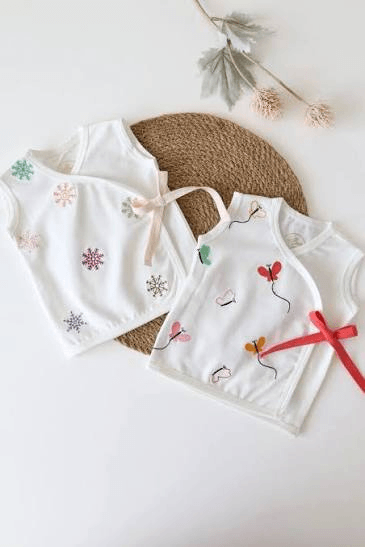

Newborn clothes need regular washing because they can quickly collect milk spills, drool, diaper leaks and everyday dirt. A jabla is often part of a baby’s daily wardrobe, so knowing how to clean and maintain it can help parents keep the garment fresh, comfortable and in good condition.
Since newborn skin is delicate, washing baby clothing requires a little more care than simply putting it in with the rest of the laundry. Here are practical ways to wash, dry and store a baby jabla.
1. Check the Care Label First
Before washing a new jabla, read its care instructions. Different fabrics and garment designs may require different washing methods. Some may be suitable for machine washing, while others may need a gentler cycle or hand washing.
Check the label for:
- Recommended water temperature
- Whether machine washing is permitted
- Instructions for drying
- Any restrictions on ironing
- Special care instructions for delicate fabric
Following these directions helps prevent unnecessary shrinkage, fading or damage to the stitching and fastenings.
2. Wash New Jablas Before First Use
Always wash new baby clothes before dressing your newborn in them. Garments may have collected dust or come into contact with other materials during packaging, storage and handling.
Use a detergent suitable for baby clothing and follow the recommended quantity. Avoid adding unnecessary fragrances, fabric softeners or strong cleaning products, as these may leave residues on the fabric and irritate sensitive skin.
A baby jabla set should be washed according to the care instructions for its individual garments, particularly if it contains pieces made from different materials.
3. Separate Baby Clothes From Heavily Soiled Laundry
It is useful to keep newborn clothing separate from heavily soiled household laundry. Sort garments by colour and fabric type before washing.
For example:
- Keep light-coloured clothes together.
- Separate dark or brightly coloured garments to reduce the risk of colour transfer.
- Wash heavily soiled items separately when necessary.
- Avoid washing delicate baby garments with clothing that has rough zippers, hooks or other parts that could snag the fabric.
This simple sorting routine can help keep jablas looking neat and prevent avoidable fabric damage.
4. Treat Milk and Food Stains Promptly
Milk spills and spit-ups are common during the newborn stage. Leaving stains untreated for too long can make them harder to remove.
When a jabla becomes soiled:
- Remove the garment and separate it from clean clothes.
- Gently rinse the affected area with cool or lukewarm water, as appropriate for the fabric.
- Apply a small amount of suitable detergent if needed.
- Wash according to the care label.
- Check the stain before drying the garment.
Avoid using harsh bleach or strong stain removers unless the garment’s care instructions specifically allow them. Do not mix cleaning chemicals.
5. Choose a Gentle Washing Method
Many baby garments can be washed using a gentle machine cycle, but always check the label first. If hand washing is recommended, use clean water and a suitable detergent.
For hand washing:
- Dissolve the detergent in water before adding the garment.
- Gently move the jabla through the water.
- Avoid aggressive rubbing, twisting or wringing.
- Rinse thoroughly to remove detergent residue.
- Press out excess water gently without stretching the fabric.
For machine washing, use an appropriate gentle cycle and avoid overcrowding the drum. This gives the clothes enough room to move during washing.
6. Dry Jablas Thoroughly
Drying is an important part of baby clothing care. After washing, follow the garment’s drying instructions. Some fabrics may be suitable for line drying, while others may need to be dried flat or away from direct heat.
Make sure the jabla is completely dry before folding and storing it. Damp clothing can develop an unpleasant smell and may encourage mould growth.
If drying outdoors, choose a clean area and protect the garments from dust, smoke and other contaminants.
7. Check Buttons, Ties and Stitching
Washing can gradually loosen fastenings or affect stitching, especially when clothes are used frequently.
Before dressing your baby, inspect the jabla for:
- Loose or missing buttons
- Frayed seams
- Damaged stitching
- Loose threads
- Worn or stretched openings
- Ties that have become damaged or excessively long
Remove damaged garments from use until they can be safely repaired. Discard clothing that cannot be repaired properly. Avoid using garments with small detachable parts that could become choking hazards.
8. Store Clean Jablas Properly
Once completely dry, fold clean jablas and store them in a clean, dry cupboard or drawer. Keep them separate from used clothes, diapers and laundry waiting to be washed.
Avoid storing baby garments in damp spaces. If you are preparing clothes in advance, check them again before use to make sure they remain clean, dry and free from dust.
How Often Should You Wash a Baby Jabla?
Wash a jabla whenever it becomes soiled, damp or stained. Since newborns may need frequent clothing changes, keeping a small rotation of clean garments can be helpful.
There is no fixed washing schedule that suits every household. The frequency depends on how often the baby wears each garment, the number of changes needed and how quickly laundry can be done.
Choosing Easy-to-Maintain Jablas
When buying muslin jablas, consider more than their appearance. Look at the fabric, stitching, fastening design and washing instructions. A garment that is easy to put on, remove and care for can make everyday newborn routines more manageable.
Final Thoughts
Caring for a baby jabla involves gentle washing, thorough rinsing, proper drying and regular checks for damage. Following the garment’s care instructions and using suitable laundry products can help parents keep newborn clothing clean and comfortable.
A simple washing and storage routine also makes it easier to keep fresh clothes ready whenever your baby needs a change.