



Introduction
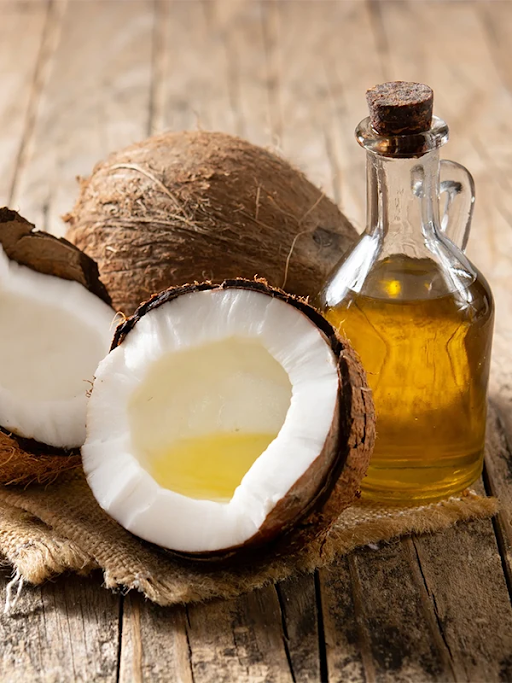
Coconut oil is a widely recognized plant-based oil with applications ranging from cooking and baking to hair and skin care. Extracted from the meat of mature coconuts, it has a distinctive aroma, smooth texture, and characteristic solid-to-liquid consistency that changes with temperature. Its popularity has grown alongside interest in natural ingredients and traditional household products. However, understanding its nutritional properties and appropriate uses is important, particularly because coconut oil contains a high proportion of saturated fat.
What Is Coconut Oil?
Coconut oil is obtained from the white flesh of coconuts. Depending on how it is processed, it may be described as virgin, refined, or another specific type. Virgin coconut oil is generally produced without extensive refining, while refined varieties may undergo additional processing to create a milder flavor and aroma.
The production method can influence the final product’s taste, appearance, and characteristics. When selecting coconut oil, consumers should therefore look at the product label, processing information, intended use, and storage instructions rather than assuming that all coconut oils are identical.
Coconut Oil in Cooking
Coconut oil has a naturally distinctive flavor that can complement certain dishes, baked foods, and traditional recipes. It can be used for sautéing, baking, and other food preparations where its flavor is desirable.
Its nutritional profile deserves consideration, however. Coconut oil is a tropical oil and is particularly high in saturated fat. The American Heart Association recommends choosing unsaturated plant oils in place of saturated-fat sources such as coconut oil as part of a heart-healthy eating pattern.
This does not mean coconut oil can never be used in cooking. Rather, it is sensible to consider portion size and the overall balance of fats in the diet. Olive, canola, sunflower, and other non-tropical liquid oils generally provide more unsaturated fat.
Nutritional Characteristics
Unlike many liquid vegetable oils, coconut oil remains solid or semi-solid at cooler room temperatures. This characteristic is related to its fatty-acid composition.
According to the American Heart Association, about 82% of the fatty acids in coconut oil are saturated. High intake of saturated fat can raise LDL cholesterol, which is associated with increased cardiovascular risk.
For this reason, coconut oil should not be treated as a special health food simply because it comes from a plant. The overall dietary pattern matters more than any single ingredient. Using a variety of nutrient-rich foods and choosing healthier unsaturated fats more often can support a balanced approach to eating.
Coconut Oil for Hair Care
Coconut oil is also popular in traditional and modern hair-care routines. Its rich texture makes it useful as a pre-wash oil or conditioning treatment for some hair types. People may apply a small amount to the hair lengths before shampooing or use it as part of a homemade hair-care routine.
However, hair oils should not be viewed as guaranteed treatments for hair loss or scalp disorders. Excessive application can also leave hair greasy and may transfer oil to facial skin. The American Academy of Dermatology notes that oils in hair-care products can contribute to breakouts when they come into contact with the skin.
Using a moderate amount and keeping heavily oiled hair away from acne-prone facial areas can therefore be a practical approach.
Coconut Oil for Skin Care
Coconut oil is commonly used as a moisturizer because of its rich, emollient texture. It can help reduce the feeling of dryness on certain areas of the body, particularly when applied after bathing.
However, it may not be suitable for everyone. People with acne-prone skin may find heavier oils problematic, especially when applied to the face. A small test area can help determine whether a product causes irritation or unwanted breakouts.
For persistent dryness, irritation, or other skin concerns, a dermatologist can provide advice suited to the individual’s skin type.
Current Coconut Oil Trends
The popularity of coconut oil is closely connected with the broader interest in natural ingredients, traditional beauty routines, and minimally processed foods. Social media has also contributed to numerous claims about its supposed health and beauty benefits.
Some of these claims go beyond what scientific evidence currently supports. The American Heart Association specifically advises against replacing healthier unsaturated oils with coconut oil for cardiovascular benefits because of its high saturated-fat content.
What Consumers Are Paying Attention To
- Virgin versus refined processing
- Food-grade versus cosmetic intended use
- Ingredient and purity information
- Packaging and storage conditions
- Saturated-fat content for dietary use
- Suitability for individual skin and hair types
- Realistic claims rather than exaggerated promises
These factors make it easier to select coconut oil according to its actual purpose.
Choosing and Storing Coconut Oil
When buying coconut oil, consider whether it is intended for cooking, personal care, or another application. Food-grade products should have appropriate labeling, while cosmetic products should be used according to their intended purpose.
Storage is generally straightforward. Keep the container tightly closed and protect it from excessive heat, moisture, and contamination. Coconut oil naturally changes texture according to temperature, so becoming liquid in a warm environment does not necessarily indicate that the product has gone bad.
As with other oils, an unpleasant or rancid smell can indicate deterioration. Proper storage can help maintain freshness and quality.
Using Coconut Oil in a Balanced Routine
Coconut oil can have a practical place in the home when used according to its characteristics. In food preparation, it can contribute flavor and texture, while in personal care it can provide a rich moisturizing feel.
The key is moderation and appropriate selection. For dietary purposes, replacing saturated fats with unsaturated oils is generally more consistent with heart-health guidance. For cosmetic use, individual skin and hair characteristics should guide how frequently and where coconut oil is applied.
Final Thoughts
Coconut oil remains a versatile natural ingredient with a long history of culinary and personal-care use. Its distinctive flavor, texture, and traditional applications explain why it continues to be popular in households around the world.
At the same time, its high saturated-fat content means it should not automatically be considered a healthier alternative to unsaturated cooking oils. Choosing the right type, using reasonable amounts, storing it properly, and understanding the difference between traditional claims and established evidence can help consumers make more informed choices about coconut oil.