


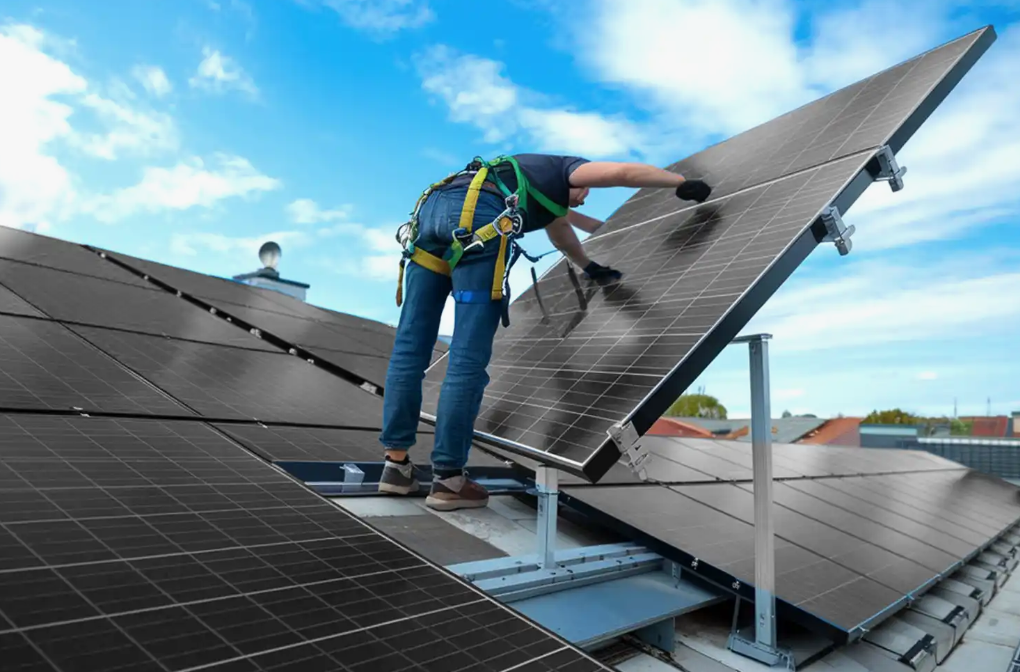

Replacing a roof is a major home improvement project, and homeowners with rooftop solar have an additional consideration: the solar system usually needs to be removed before roofing work can begin. Solar panel removal for roof replacement allows roofing professionals to access the shingles, underlayment, flashing, and roof decking beneath the array without working around sensitive solar equipment. When the process is carefully planned, the panels can be removed, protected while the roofing project is underway, and professionally reinstalled after the new roof is ready.
For Dallas-area homeowners, coordinating solar equipment with roof replacement is particularly important because weather-related roof damage, aging roofing materials, and storm repairs can create projects that need to be scheduled efficiently. Solar panel removal for roof replacement is not simply a matter of taking panels off their mounting hardware. The electrical system, racking, wiring, connectors, and roof penetrations all need to be considered. Sunaura Solar provides professional detach and reset services designed to coordinate the solar portion of a roofing project while helping homeowners protect both their solar investment and newly installed roof.
Why Solar Panels Usually Need to Be Removed Before Roof Replacement
A complete roof replacement requires broad access to the roof surface, including areas directly underneath the solar array. Roofing crews need room to remove existing materials, inspect the roof deck, install new underlayment and shingles, and properly address flashing and penetrations. Leaving panels and racking in place can prevent the roofer from completing these tasks across the entire affected area. Attempting to work around the array may also increase the possibility of accidental equipment or roofing damage. Removing the system creates a clear work area and allows the roofing contractor to address the roof as a complete assembly rather than treating the sections beneath the panels differently. This is particularly important when the roof has developed leaks or storm damage because concealed areas need to be accessible for inspection. Once the solar equipment has been safely detached, the roofing team can focus on creating a sound, weather-resistant surface before the solar system is returned.
What Is a Solar Detach and Reset?
A solar detach and reset is the coordinated process of temporarily removing a rooftop solar system and reinstalling it after roofing work has been completed. The detach stage generally begins with an inspection and safe shutdown of the solar equipment before panels, mounting hardware, and associated components are removed. The equipment must then be handled and stored appropriately throughout the roofing project. Once the roofer confirms that the new roof is ready for the solar array, the reset stage begins. This can involve reinstalling mounting equipment, placing the panels back into their planned configuration, reconnecting electrical components, and testing the system. The purpose is not merely to put the panels back where they were; the completed installation should be mechanically secure, electrically functional, and properly integrated with the new roof. Careful documentation during removal can make the reset process more organized and help technicians identify the correct location and connections for each component.
How Professional Removal Helps Protect the Solar Equipment
Solar panels are built for outdoor conditions, but that does not mean they should be treated like ordinary roofing materials during construction. Modules contain electrical components and can be damaged by improper handling, impacts, excessive pressure, or careless storage. Wiring and connectors also require attention because damage may not always be immediately visible. A professional solar technician can follow an organized removal procedure, disconnect components appropriately, and protect equipment while the roof is being replaced. Labeling and documenting the array can also make reinstallation more straightforward. If any component is already damaged or showing signs of wear, removal provides an opportunity to identify the issue before the system goes back onto the new roof. This is one reason homeowners should distinguish between roofing work and solar electrical work. A roofer may be highly experienced with shingles and roof structures, while a solar technician brings specialized knowledge of photovoltaic equipment and electrical connections.
Coordinating Solar Removal With Your Roofing Contractor
Good scheduling is one of the most important factors in a smooth solar and roofing project. The solar contractor needs to know when the roof will be ready, while the roofer needs the solar array removed before certain stages of construction can begin. Ideally, both contractors communicate before work starts so the removal date, roofing schedule, and reinstallation date are understood in advance. Weather can affect this schedule, particularly in Dallas, where high temperatures, thunderstorms, hail, and strong winds can alter outdoor construction plans. Homeowners should also discuss what happens if the roofer discovers unexpected decking damage or other structural concerns after the panels have been removed. The solar reset may need to wait until the roof is fully completed and prepared for the mounting system. Clear communication reduces unnecessary downtime and helps prevent situations where one contractor arrives before the other portion of the project is ready.
What Happens to Roof Mounts and Flashing During Replacement?
The roof mounting points deserve special attention because they connect the solar installation to the roofing assembly. During a detach, mounting hardware may be removed so the roofer can work across the affected surface. Existing flashing, seals, and penetrations should be evaluated as part of the project rather than automatically reused without inspection. The new roof needs to be properly protected around any locations where solar mounting hardware will eventually be installed. Coordination between the roofer and solar contractor is therefore important because the final result depends on both trades doing their respective work correctly. Once the roofing material has been installed and the roof is ready, the solar mounting system can be re-established according to the project’s requirements. Proper attention to these interfaces can help reduce the risk of water intrusion and ensure that the solar array does not compromise the purpose of the new roofing system.
When Solar Removal Is Also an Opportunity to Inspect Your System
A roof replacement creates a useful opportunity to evaluate the condition of a solar installation because the equipment is already being taken down. Before removal, a technician can document the system’s existing condition and identify visible concerns involving panels, wiring, connectors, racking, or other components. If an issue is discovered, the homeowner can decide whether it makes sense to address it while the system is already detached. Depending on the system’s age and condition, this could include replacing worn components, correcting wiring problems, improving cable management, addressing monitoring concerns, or discussing equipment upgrades. Not every system needs additional work, so recommendations should be based on the actual condition of the equipment rather than using the roof project as a reason for unnecessary upgrades. A thorough inspection provides homeowners with useful information and can help avoid discovering a preventable problem only after the array has already been reinstalled.
Choosing a Solar Professional for Roof Replacement Projects
The right solar contractor should understand that a detach and reset project involves more than panel handling. Homeowners should consider whether the company has experience coordinating with roofing contractors, safely handling electrical equipment, documenting existing systems, protecting removed components, and testing the array after reinstallation. It is also useful to ask how the contractor handles damaged equipment discovered during removal and how responsibilities are divided between the solar and roofing teams. Sunaura Solar focuses on solar detach and reset services, including system shutdown, panel and racking removal, equipment protection, coordination with roofing crews, professional reinstallation, and post-project verification. A dedicated solar professional can help keep the solar portion of the project organized while allowing the roofer to concentrate on replacing the roof. The objective should be a finished roof and a properly restored solar system rather than simply completing the two jobs independently.
Testing the Solar System After Reinstallation
The project is not finished when the final panel has been mounted. After reinstallation, the solar system should be checked to confirm that electrical connections, wiring, mounting components, and equipment are functioning as intended. Monitoring should also be reviewed so homeowners can continue seeing relevant production information after the system is brought back online. Comparing post-reset operation with the system’s previous performance can provide an additional indication that the installation has been restored correctly. If a fault, monitoring issue, or unusual production behavior appears after the reset, it should be investigated rather than assumed to be a normal result of the roof replacement. Proper testing gives homeowners a clearer understanding of the system’s condition and helps identify problems while the solar contractor is still involved in the project. This final stage is an important part of professional service because a successful detach and reset should result in a functioning solar installation, not merely a visually completed roof.
Final Thoughts on Solar Panel Removal for Roof Replacement
A roof replacement and rooftop solar system can coexist successfully when both projects are planned as parts of the same construction process. Solar panel removal for roof replacement gives roofing professionals the access they need while allowing qualified solar technicians to handle the electrical equipment, panels, mounting hardware, and reinstallation. Homeowners should plan the project early, coordinate schedules between contractors, evaluate the condition of the solar system before removal, and make sure the array is tested after it has been reset. Working with an experienced solar company such as Sunaura Solar can simplify this coordination and provide specialized support throughout the detach and reset process. The most practical approach is to treat the solar array and roof as connected investments: protect the equipment during construction, ensure the new roof is properly prepared for the system, and verify that the solar installation is operating correctly once the work is complete.