


Concrete floors take a beating. Whether it’s a garage floor exposed to hot tires and de-icing salt, a warehouse floor under constant forklift traffic, or a basement slab dealing with moisture, bare concrete isn’t built to last under sustained stress. Polyaspartic concrete coating has become one of the most sought-after solutions for protecting and transforming concrete surfaces, offering a combination of speed, durability, and appearance that older coating systems struggle to match.
What Is Polyaspartic Coating, Exactly?
Polyaspartic coating is a type of polyurea coating formulated with aspartic acid ester technology. This chemistry gives it a few standout characteristics: it cures remarkably fast, resists UV degradation, and offers strong flexibility during application. Unlike epoxy, which relies on a slower chemical reaction, polyaspartic coatings can go from liquid to fully cured in a matter of hours rather than days.
This speed isn’t just a minor convenience. It fundamentally changes what’s possible during installation, allowing contractors to complete multiple coats in a single day and letting property owners use their space again almost immediately.
Why Cure Time Matters More Than You’d Think
Traditional epoxy coatings often require 24 to 72 hours of cure time before a floor can handle foot traffic, and even longer before it can support vehicles or heavy equipment. For a homeowner, that might just mean an inconvenient weekend. For a business, it can mean days of lost revenue and operational disruption.
Polyaspartic coatings typically cure within 1 to 3 hours between coats and can often be walked on the same day, with vehicle traffic possible within 24 hours in many cases. This compressed timeline makes polyaspartic coating especially attractive for garages, retail spaces, and industrial facilities that simply can’t afford extended downtime.
Durability That Holds Up to Real-World Wear
Concrete coatings live or die based on how well they resist the specific stresses of their environment. Polyaspartic coatings perform strongly across several key durability categories.
Abrasion resistance stands out as one of its biggest strengths. Constant foot traffic, dragged equipment, and dropped tools wear down weaker coatings quickly, but polyaspartic formulations resist scuffing and scratching far better than standard epoxy.
Impact resistance matters in garages and industrial settings where dropped tools or equipment are inevitable. Polyaspartic coatings maintain flexibility even after curing, which helps them absorb impact without cracking or chipping the way more rigid coatings sometimes do.
Chemical resistance protects against oil, gasoline, de-icing salts, and cleaning chemicals that would otherwise stain or degrade bare concrete over time. This makes polyaspartic coating a strong choice for garages, workshops, and facilities dealing with regular chemical exposure.
UV stability prevents the yellowing and fading that plagues many epoxy coatings when exposed to sunlight. Garages with windows, outdoor-adjacent spaces, and any area with significant natural light benefit from a coating that maintains its appearance over years rather than months.
Polyaspartic vs. Epoxy: Which Should You Choose?
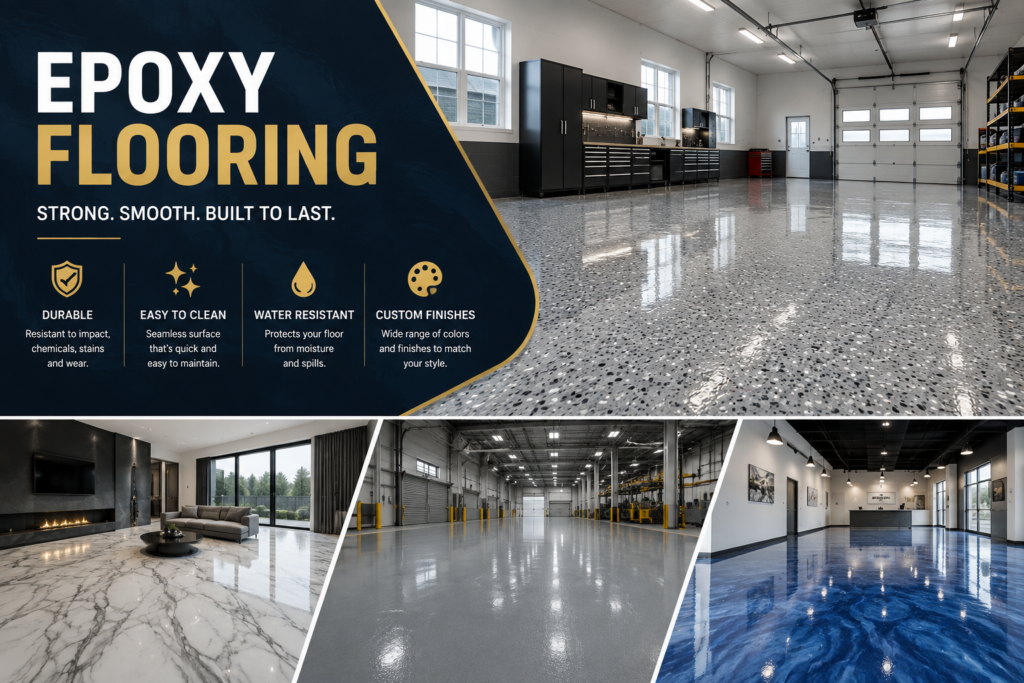
This comparison comes up constantly, and the honest answer depends on your specific priorities. Epoxy remains the lower-cost option upfront and has a long track record of reliable performance in many settings. However, epoxy’s slower cure time, tendency to yellow under UV exposure, and generally lower impact resistance make it less ideal for spaces that need fast turnaround or heavy-duty performance.
Polyaspartic coating typically costs more per square foot initially, but the faster installation, extended durability, and better appearance retention often make it the more cost-effective choice over the long run, especially for spaces where downtime carries a real financial cost. For garages, workshops, and light commercial applications, many owners find the higher upfront investment pays for itself through reduced maintenance and a longer-lasting finish.
Ideal Applications for Polyaspartic Concrete Coating
Residential garages represent one of the most popular applications, since polyaspartic coating transforms a plain concrete slab into a durable, attractive surface that resists tire marks, oil stains, and hot tire pickup, a common issue where tires stick to and damage softer coatings in hot weather.
Basements and utility rooms benefit from the moisture tolerance and durability polyaspartic coatings offer, protecting concrete from the wear and occasional dampness common in these spaces.
Commercial and industrial floors gain significant value from the rapid cure time and heavy-duty performance, particularly in warehouses, manufacturing facilities, and retail spaces that can’t tolerate lengthy closures.
Outdoor patios and walkways benefit from the UV stability that keeps the coating looking fresh season after season, without the yellowing or fading that would otherwise occur with sustained sun exposure.
What Affects the Cost of Polyaspartic Coating
Several factors influence the total cost of a polyaspartic coating project. Square footage plays the most obvious role, but surface preparation requirements matter just as much. Concrete with cracks, previous coatings, or significant moisture issues requires additional prep work before the polyaspartic coating can be applied properly.
The number of coats and whether you add decorative elements like color flakes or a slip-resistant aggregate also affects the final price. While polyaspartic coating typically costs more than basic epoxy upfront, most property owners find the investment justified by the reduced need for repairs and recoating over the following years.
Getting the Application Right
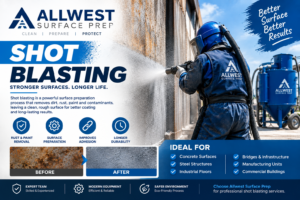
Even the best polyaspartic coating will fail prematurely if the underlying concrete isn’t properly prepared. Surface prep typically involves diamond grinding or shot blasting to create the right surface profile, followed by thorough cleaning to remove any dust, oil, or contaminants. Moisture testing is also essential, since trapped moisture beneath a coating can cause bubbling or delamination over time.
Because proper application requires specific technique and timing, especially given how quickly polyaspartic coatings cure, working with an experienced, reputable contractor makes a meaningful difference in how the finished floor performs over its lifespan.
Is Polyaspartic Coating Right for Your Concrete?
If you’re weighing flooring options for a garage, basement, or commercial space, polyaspartic concrete coating from All West Surface Prep offers a compelling combination of speed, strength, and long-term appearance that’s hard to match with older coating technologies. The higher upfront cost is often offset by reduced downtime, fewer repairs, and a finish that holds up for years rather than months.