
Thermal Printer Roll: Uses, Benefits, Types, and Buying Guide
Introduction
A thermal printer roll is an essential printing supply used by businesses that need fast, clear, and reliable printing. From retail shops and supermarkets to restaurants and offices, thermal paper rolls make it easy to print receipts, bills, order tickets, and transaction records. Their convenient design and ink-free printing process make them a popular choice for everyday business operations.
Choosing the right thermal printer roll can help maintain consistent print quality, reduce paper waste, and support smooth transactions. Understanding its features, applications, and selection criteria can help you find the right option for your printing needs.
What Is a Thermal Printer Roll?
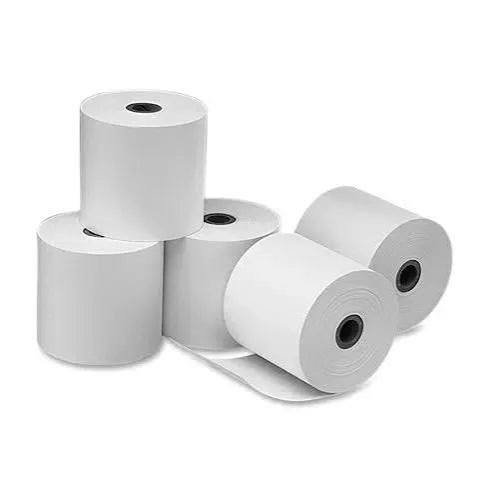
A thermal printer roll is specially coated paper designed to produce text and images when exposed to heat from a compatible thermal printer. The printer’s heated printhead activates the coating, creating printed information without requiring traditional ink cartridges or toner.
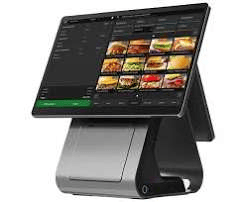
Thermal paper rolls are commonly used in point-of-sale systems, receipt printers, ticket machines, and other compatible devices. They are available in different widths, diameters, and paper specifications to accommodate various printing requirements.
Before purchasing a thermal printer roll, it is important to check your printer’s specifications to ensure a proper fit and reliable performance.
Types of Thermal Printer Rolls
Different thermal paper rolls serve different purposes. Understanding their main types can help you select the most suitable option.
1. Standard Thermal Paper Rolls
Standard thermal rolls are commonly used for everyday receipt printing in retail stores, supermarkets, and small businesses. They are suitable for routine transactions where clear printed information is required.
2. Premium Thermal Paper Rolls
Premium thermal paper may offer a more consistent coating and improved print clarity. Depending on its specifications, it can be appropriate for businesses that require dependable printing throughout the working day.
3. Long-Life Thermal Paper Rolls
Some thermal papers are designed to provide better image stability over time. They may be useful when receipts or transaction records need to remain readable for longer periods. Actual durability depends on paper quality and storage conditions.
4. Custom Thermal Paper Rolls
Custom thermal rolls may include preprinted logos, business names, or other information. They can help businesses maintain consistent branding across receipts and customer documents.
Common Uses of Thermal Printer Rolls
Thermal printer rolls are used across many industries because they support quick printing and convenient paper replacement.
-
Retail stores: Printing customer receipts, purchase summaries, and payment confirmations.
-
Restaurants and cafes: Producing billing receipts and kitchen order tickets.
-
Supermarkets: Supporting checkout counters with frequent transactions.
-
Pharmacies: Printing sales receipts and billing information.
-
Courier services: Producing compatible transaction slips and shipping documents.
-
Offices: Printing tickets, payment records, and other short documents.
The correct paper type depends on the printer and the intended application.
Benefits of Using Thermal Printer Rolls
Fast and Convenient Printing
Thermal printers can produce printed information quickly, helping businesses serve customers efficiently and reduce waiting times at busy counters.
No Ink or Toner Required
Direct thermal printing uses heat-sensitive paper instead of separate ink cartridges or toner. This simplifies supply management and reduces the need to replace printing consumables.
Easy Paper Replacement
Roll-based paper is straightforward to load into compatible printers. Employees can replace an empty roll quickly, helping minimize interruptions during business hours.
Compact and Practical Design
Thermal rolls are convenient to store and use in small workspaces. Their compact format makes them suitable for checkout counters, service desks, and mobile printing equipment.
Consistent Printing Results
When the paper is compatible with the printer and stored correctly, quality thermal rolls can provide clear text and readable transaction details.
How to Choose the Right Thermal Printer Roll
Selecting the correct thermal paper roll requires attention to several important factors.
Paper width: Check the width supported by your printer to avoid feeding problems or incorrect printing.
Roll diameter: Ensure the roll fits inside the printer compartment without obstructing its mechanism.
Core size: Confirm the inner core dimensions required by the device.
Paper quality: Look for a smooth surface and consistent coating to support clear printing.
Print durability: Consider longer-lasting thermal paper if printed records need to be retained.
Price and quantity: Compare paper length, package quantity, and quality instead of choosing solely by the lowest price.
These checks can help businesses avoid compatibility issues and unnecessary paper waste.
Tips for Maintaining Thermal Printer Rolls
Proper handling helps preserve paper quality and supports reliable printing.
-
Store unused rolls in a cool, dry location.
-
Keep thermal paper away from direct sunlight and excessive heat.
-
Protect rolls from moisture and potentially damaging chemicals.
-
Handle rolls carefully to prevent dirt or damage to the paper surface.
-
Follow the printer manufacturer’s loading and maintenance instructions.
Thermal print can fade over time, so important records should be stored according to applicable recordkeeping requirements.
Frequently Asked Questions (FAQs)
1. What is a thermal printer roll used for?
A thermal printer roll is used to print receipts, bills, transaction records, tickets, and other documents with compatible thermal printers.
2. Does thermal paper require ink?
No. Direct thermal printers use heat-sensitive paper to create images without separate ink cartridges or toner.
3. Are all thermal printer rolls the same size?
No. They differ in width, diameter, core size, and paper characteristics. Always check your printer’s specifications before purchasing.
4. How long do thermal printer rolls last?
Unused rolls can remain usable for varying periods depending on paper quality and storage conditions. Printed information may fade when exposed to heat, light, or chemicals.
5. Can thermal printer rolls be used in every printer?
No. They are intended for compatible thermal printers, and some devices require specialized paper or label formats.
6. How can I maintain good thermal printing quality?
Use compatible paper, store rolls properly, and keep the printer clean according to the manufacturer’s instructions.
Conclusion
A thermal printer roll is a practical solution for businesses that require quick, convenient, and reliable printing. From retail receipts to restaurant bills, these rolls support daily operations across many industries. By checking dimensions, selecting suitable paper quality, and following proper storage practices, businesses can maintain consistent printing performance and reduce unnecessary waste.