
Music has a unique ability to bring people together. Across cultures, generations, and backgrounds, people use music to communicate emotions, celebrate traditions, and create meaningful connections. While learning an instrument is often viewed as an individual activity, music education also provides opportunities to connect with others and become part of a creative community.
For students in Washington, DC, exploring music can be an exciting way to develop new skills while meeting people who share similar interests. Through structured lessons and musical activities, Quartertonez encourages students to discover their musical abilities and experience the value of learning.
How Music Connects People
Music creates a shared experience that does not always require spoken communication. A melody, rhythm, or performance can express feelings that words sometimes cannot.
When people learn and perform music together, they develop a better understanding of listening, cooperation, and timing. Every participant contributes something important to the overall performance.
These experiences can help students build friendships and develop stronger communication skills. Group musical activities also encourage individuals to respect different ideas and appreciate the contributions of others.
Learning Music Through Group Activities
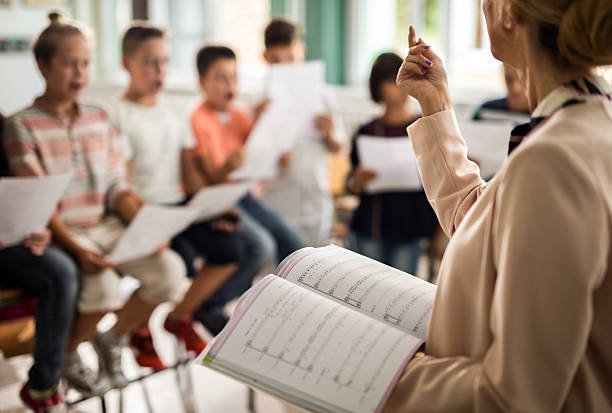
Group music lessons provide a different experience from individual practice. Students learn alongside others, observe different techniques, and develop their abilities through shared activities.
For example, a group guitar session can introduce students to playing chords together while maintaining a consistent rhythm. In a vocal group, participants learn how to follow harmonies, control their voices, and listen carefully to other singers.
Ensemble activities involving piano, violin, cello, and other instruments also teach students how individual musical parts combine to create a complete composition.
Exploring Different Musical Traditions
Every culture has its own musical identity. Traditional instruments, rhythms, and melodies provide insight into the history and values of different communities.
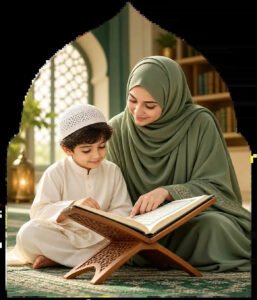
Exploring instruments such as the oud, tabla, darbuka, and buzuq can introduce students to musical traditions beyond familiar Western styles.
Similarly, learning classical piano, violin, guitar, or voice can help students appreciate different genres and musical techniques.
Exposure to different traditions encourages curiosity and helps learners develop a broader understanding of music.
The Importance of Listening Skills
Becoming a good musician requires more than knowing how to play an instrument. Listening is equally important.
Students need to recognize changes in tempo, identify musical patterns, understand pitch, and respond to other performers.
These skills become especially important during group performances. Musicians must pay attention to one another to maintain timing and produce a balanced sound.
Developing active listening through music can also encourage better communication in everyday situations.
Music Education for Children and Adults
Music learning is valuable at different stages of life. Children can use music lessons to explore creativity, develop coordination, and build confidence.
Teenagers may find music an effective way to express themselves and discover new interests. Adults can also benefit from learning an instrument, whether they want to revisit an old passion or begin something completely new.
There is no single path to musical development. Each student has different interests, goals, and learning speeds, making supportive instruction particularly important.
Choosing the Right Music Learning Environment
A positive learning environment can influence how students approach music. Experienced instructors, organized lessons, and opportunities to practice help learners remain motivated.
Quartertonez provides music education opportunities in Washington, DC, and the surrounding DMV area. Students interested in developing their abilities can explore different instruments and musical learning options.
From individual instruction to collaborative musical experiences, the right learning approach can help students make steady progress.
Making Music a Shared Experience
Music becomes even more rewarding when people have opportunities to share what they learn. Informal performances, group practice, and musical discussions allow students to celebrate progress and learn from one another.
Families can also support musical development by encouraging regular practice, attending performances, and showing interest in what students are learning.
These small experiences can turn music from an individual hobby into a meaningful part of everyday life.
Start Your Musical Journey with Quartertonez
Learning music is not only about mastering notes or performing complicated compositions. It is also about creativity, patience, communication, and building connections with others.
Whether you are interested in piano, guitar, violin, singing, or traditional instruments, taking the first step can open the door to new experiences.
Explore music education opportunities and discover your next learning experience with Quartertonez.