
Rust can gradually damage metal surfaces, affect their appearance, and reduce the quality of industrial equipment. Removing rust is an important part of maintenance, restoration, and manufacturing processes. Traditional cleaning methods often require chemicals, abrasive materials, or extensive manual labor. Modern laser technology offers a different approach to surface cleaning that allows professionals to remove rust with greater precision and control.
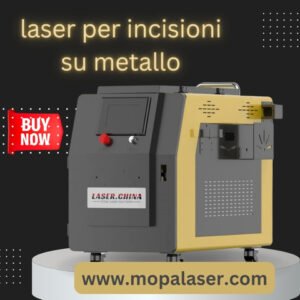
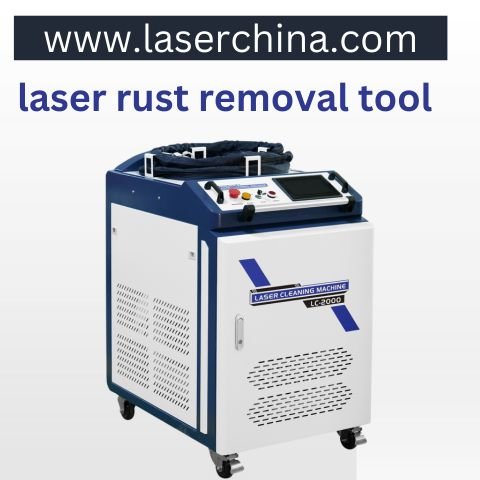
A laser rust removal tool is designed to clean metal surfaces by directing concentrated laser energy toward unwanted rust, oxidation, paint, or other surface contaminants. This technology is becoming increasingly popular across industries that require reliable and controlled cleaning processes.
How Laser Rust Cleaning Technology Works
Laser cleaning works by delivering focused laser pulses or continuous laser energy onto a contaminated surface. The energy interacts with the rust layer, causing it to break down, detach, or vaporize depending on the material, laser settings, and cleaning conditions.
Operators can adjust parameters such as power, scanning speed, frequency, and beam characteristics according to the surface and the type of contamination. Proper parameter selection helps achieve consistent cleaning results while reducing the risk of damaging the underlying material.
Before beginning any cleaning operation, professionals should test the selected settings on a small area to ensure they are appropriate for the material.
Applications Across Different Industries
Laser rust cleaning technology is used in several industrial and commercial applications. Manufacturing facilities use laser cleaning to prepare metal components before welding, coating, painting, or assembly. Removing rust and surface contaminants can help improve the quality of subsequent manufacturing processes.
Automotive workshops may use laser cleaning for restoring metal parts, removing oxidation, and preparing surfaces for repair. In construction and maintenance, professionals can use laser systems to clean steel structures, metal equipment, and machinery components.
The technology is also useful for restoration projects involving metal tools, industrial parts, and other metallic objects where controlled cleaning is required.
Choosing the Right Equipment for Your Work
Selecting suitable laser cleaning equipment requires understanding the type of materials, contamination, and cleaning tasks involved. Different applications may require different power levels, operating modes, and laser configurations.
A portable system may be suitable for maintenance work, smaller components, and cleaning tasks performed at different locations. Industrial systems may be more appropriate for larger surfaces, demanding production environments, and continuous cleaning operations.
When selecting equipment, consider the machine’s operating controls, maintenance requirements, cooling system, manufacturer support, and safety features. Laser cleaning requires appropriate protective equipment, controlled access, and safety procedures to protect operators and nearby personnel.
Improving Metal Maintenance with Modern Technology
Investing in a laser rust removal tool can help businesses introduce a more modern approach to metal surface preparation. With the right equipment and operating procedures, professionals can perform cleaning tasks with controlled precision and repeatable results.
Businesses should also consider operator training and workplace safety before introducing laser cleaning equipment. Understanding the machine’s operating instructions, laser classification, and safety requirements is essential for responsible use.
Final Thoughts
Laser cleaning technology is changing how industries approach rust removal and metal surface preparation. Its controlled operation, adaptable settings, and suitability for various industrial applications make it an interesting option for businesses seeking modern cleaning solutions.
Choosing the right laser rust removal tool depends on the working environment, material requirements, and cleaning objectives. By selecting suitable equipment and following proper safety procedures, businesses can integrate laser cleaning technology into their maintenance and manufacturing operations.