
Rust is a common problem in industries that work with metal components, machinery, automotive parts, and industrial equipment. Over time, exposure to moisture, oxygen, and environmental conditions causes metal surfaces to develop corrosion. Removing rust properly is important for maintaining material quality, improving surface appearance, and preparing components for further processing. Modern laser cleaning technology offers an advanced approach to handling this challenge.
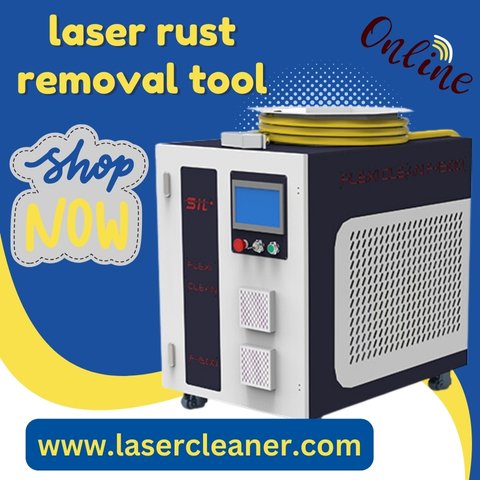
A laser rust removal tool uses focused laser energy to remove rust, oxidation, paint, and other unwanted surface contaminants. It provides a controlled cleaning process that can be used across different industrial applications without relying on traditional chemical treatments or abrasive materials.
How Does Laser Rust Removal Technology Work?
Laser rust removal works by directing a concentrated laser beam toward a contaminated metal surface. The laser energy interacts with the rust layer, causing the unwanted material to separate from the underlying surface through controlled heating and material removal processes.
The operator can adjust parameters such as laser power, scanning speed, and cleaning patterns according to the material type and contamination level. These settings help achieve consistent cleaning results while reducing unnecessary impact on the base material.
This technology is suitable for removing surface corrosion from steel, iron, and various other metal components. Proper parameter selection and testing are essential to achieve the desired results.
Industrial Applications of Laser Rust Cleaning
Laser cleaning technology is becoming increasingly popular across several industrial sectors because metal surfaces often require regular maintenance and preparation.
Automotive Industry
Automotive manufacturers and repair workshops use laser cleaning to remove rust from vehicle frames, engine components, metal panels, and other parts. Clean surfaces can also support preparation before welding, coating, or painting operations.
Manufacturing Industry
Manufacturing facilities frequently deal with metal components that develop oxidation during storage or production. Laser cleaning helps prepare these components for additional manufacturing processes while maintaining controlled surface treatment.
Shipbuilding and Marine Applications
Marine equipment and metal structures are regularly exposed to moisture and salty environments. Laser cleaning equipment can help remove corrosion from selected metal surfaces during maintenance and restoration activities.
Metal Fabrication Workshops
Metal fabrication businesses use laser cleaning for surface preparation before welding, polishing, and finishing. Removing rust and contaminants helps create a cleaner working surface for subsequent operations.
Choosing the Right Laser Rust Removal Equipment
Selecting suitable equipment depends on the type of work, material thickness, rust condition, and required cleaning capacity. Businesses should evaluate laser power, operating modes, scanning systems, portability, and available safety features before making a purchasing decision.
For smaller workshops and maintenance tasks, portable equipment may offer greater flexibility. Industrial facilities handling larger components may prefer higher-powered systems designed for continuous operation.
A reliable laser rust removal tool should also come with clear operating instructions, technical support, and appropriate safety equipment. Comparing different models and discussing application requirements with manufacturers can help buyers make an informed investment.
Important Safety Considerations
Laser cleaning equipment requires proper handling and workplace safety procedures. Operators should receive appropriate training before using the machine. Protective laser safety eyewear must match the equipment’s laser wavelength and specifications.
Work areas should have suitable laser protection, controlled access, and appropriate ventilation or fume extraction systems. Removing coatings or contaminants can release hazardous particles and fumes, so workplace protection is essential.
Following the manufacturer’s instructions and maintaining the equipment regularly can help ensure reliable operation.
Why Businesses Are Moving Toward Laser Cleaning
Many industries are exploring laser cleaning as an alternative to conventional surface preparation methods. Traditional techniques may involve abrasive blasting, grinding, or chemical products, depending on the application.
Laser technology introduces a more controlled approach that can reduce consumable usage and minimize additional surface contact. It can also support precise cleaning in areas where conventional methods are difficult to apply.
As industrial production continues to evolve, laser cleaning is becoming an important option for businesses seeking modern metal maintenance and surface preparation solutions.
Final Thoughts
Laser cleaning technology is changing how industries approach rust removal and metal surface preparation. From automotive workshops to large manufacturing facilities, this equipment provides a modern method for treating corrosion and preparing metal components for further processing.
Choosing the right laser rust removal tool requires understanding the application, material requirements, cleaning capacity, and safety standards. With suitable equipment and trained operators, businesses can introduce an efficient cleaning process that supports their long-term industrial operations.