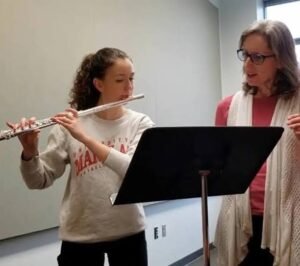
Music is often introduced to children as a fun activity, but its benefits extend far beyond entertainment. Learning an instrument or participating in musical activities can help children develop valuable life skills that support their personal, academic, and social growth. From practicing regularly to performing in front of others, music creates opportunities for children to become more patient, disciplined, responsible, and confident. These qualities are useful throughout life, making music education a meaningful part of childhood development.
Music Teaches Children the Value of Patience
Learning music takes time, and children gradually understand that improvement does not happen overnight. Whether they are learning their first piano notes, practicing guitar chords, or developing vocal techniques, they need patience to achieve consistent results. Some musical exercises may initially feel difficult, but repeated practice helps children become more comfortable with them. This process teaches an important lesson: progress comes through dedication and persistence. Instead of expecting immediate success, children learn to appreciate small improvements and remain motivated when facing challenges.
Regular Practice Builds Discipline
One of the most valuable lessons music education provides is the importance of maintaining a routine. Children who attend music lessons and practice at home learn to organize their time around specific activities. Even short daily practice sessions can help establish consistency and responsibility. Over time, they begin to understand that achieving a goal requires commitment. This discipline can also influence other areas of their lives, including schoolwork, reading habits, and extracurricular activities. Music encourages children to develop productive routines without making learning feel like an ordinary obligation.
Learning an Instrument Encourages Responsibility
When children begin learning an instrument, they gradually take responsibility for their progress and equipment. They learn to handle instruments carefully, keep their learning materials organized, and remember practice schedules. These small responsibilities help develop independence. For example, a child learning violin may need to prepare their instrument before each lesson, while a piano student may need to review previously learned exercises. Such activities encourage children to become more organized and understand that their efforts directly influence their results.
Music Helps Children Handle Mistakes Positively
Making mistakes is a natural part of learning any new skill. In music, children may play an incorrect note, lose their rhythm, or struggle with a particular section of a composition. Rather than treating mistakes as failures, teachers can encourage students to identify problems and try again. This creates a healthier attitude toward challenges. Children begin to understand that errors provide opportunities for improvement. Developing this mindset can help them approach difficult school subjects and everyday situations with greater confidence and a willingness to learn.
Group Music Activities Develop Cooperation
Music is not always an individual activity. Playing in an ensemble, singing in a choir, or participating in group classes requires students to cooperate with others. They must listen carefully, follow instructions, maintain timing, and respect different musical roles. These experiences teach children that successful teamwork depends on communication and mutual understanding. They also learn that individual performance contributes to a shared result. Such lessons can improve their ability to work with classmates, participate in group projects, and build positive relationships with others.
Music Encourages Better Time Management
Balancing music lessons with school responsibilities teaches children how to manage their time effectively. A regular practice schedule encourages them to plan activities instead of completing everything at the last minute. Parents and teachers can help by creating realistic routines that allow enough time for homework, recreation, rest, and musical learning. As children become more familiar with their schedules, they may develop greater independence in managing their daily responsibilities. This ability becomes increasingly useful as academic and personal commitments grow.
Performing Music Builds Confidence and Self-Control
Performing in front of an audience can be challenging, particularly for young beginners. However, participating in small recitals, school performances, or informal family presentations helps children become more comfortable expressing themselves. They learn to prepare properly, control nervousness, and remain focused even when something unexpected happens. These experiences can gradually reduce performance anxiety and improve self-confidence. More importantly, children discover that preparation and practice can help them handle unfamiliar situations. This confidence can positively influence classroom participation and other social activities.
Parents Play an Important Role in Musical Development
Parents can make a significant difference in how children experience music education. Encouragement, patience, and a supportive learning environment are often more valuable than demanding perfect performances. Parents should recognize effort, celebrate small achievements, and avoid comparing their children’s progress with others. Providing a consistent practice space and helping children maintain a manageable routine can also support development. When music becomes an enjoyable part of everyday life, children are more likely to remain interested and continue improving their abilities.
Choosing the Right Music Learning Environment
A positive learning environment can influence a child’s interest and long-term progress. Qualified instructors, structured lessons, suitable learning materials, and opportunities for creative exploration all contribute to a rewarding experience. Children should be encouraged to explore different instruments and musical styles before making long-term decisions. A good music program balances technical instruction with enjoyment, creativity, and individual development. Parents looking for structured opportunities can explore music education programs at Quartertonez to learn more about musical learning and available instruction.
Conclusion
Music education offers children much more than the ability to play an instrument or sing a song. It introduces valuable habits that can influence their personalities, relationships, and everyday decisions. Through consistent practice, children develop patience and discipline. Through performances and group activities, they learn confidence and cooperation. Most importantly, music teaches them that meaningful progress requires effort, responsibility, and a willingness to improve. Encouraging children to explore music can therefore provide benefits that remain valuable long after their first lessons.