


Every investor runs into the same test eventually. Markets shift, headlines get scary, and the urge to react right now becomes almost impossible to ignore. Some give in to that urge and make sudden, emotional changes to their portfolio. Others stick to a disciplined approach and just let the noise pass through without wrecking years of careful planning.
That difference is basically what separates investors who turn economic change into real opportunity from those who just get shaken by it. Here’s why discipline matters so much during volatile periods, what it actually looks like day to day, and how it plays out in a fast-transforming market like Saudi Arabia.
Why Discipline Matters More During Economic Uncertainty
Markets haven’t felt calm lately, and 2026 hasn’t been an exception either. Shifting technology trends, interest rates still elevated compared to recent years, ongoing volatility, all of it has created genuine uncertainty for a lot of investors. Getting through periods like this has always depended less on predicting headlines correctly and more on sticking to long-term discipline instead of chasing short-term noise.
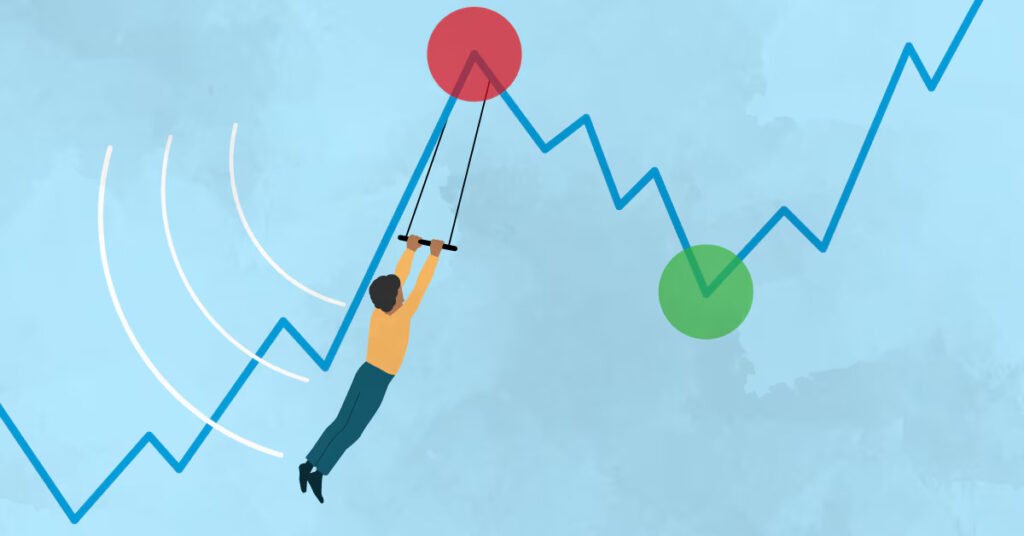
One of the biggest challenges investors run into during uncertain stretches is emotional decision-making, plain and simple. Market swings, scary forecasts, political events, all of it stirs up fear, and that fear tempts people into sudden portfolio changes that usually do more harm than good. The investors who come out ahead tend to be the ones treating volatility as something to work through calmly, not something demanding an immediate reaction.
What Investment Discipline Actually Looks Like
Discipline isn’t about ignoring change or refusing to adapt. It’s about responding to change thoughtfully instead of impulsively.
This usually starts with genuine diversification, spreading money across markets, sectors, and themes instead of leaning on a single narrative to carry an entire portfolio. It also means holding onto conviction in a long-term strategy even when short-term conditions feel uncomfortable, since reacting to every headline tends to lock in losses that a little patience would’ve avoided. And it means staying selective instead of chasing whatever trend happens to dominate the conversation right now. Even in genuinely promising sectors, not every opportunity delivers sustainable returns, and disciplined investors focus on spotting real, lasting value instead of riding narrative momentum alone.
Recent market analysis backs this up pretty clearly, actually. Investors who maintain a long-term view and diversify with actual purpose, rather than leaning on broad market exposure alone, tend to get through uncertain periods far more successfully than those constantly flipping strategy based on whatever headline just dropped that morning.
Why Economic Change Creates Opportunity for Disciplined Investors
Periods of economic transformation often separate short-term market noise from genuine long-term opportunity, and investors who position themselves thoughtfully during these stretches are frequently the ones who end up building real resilience and unlocking lasting value.
This happens because change creates dislocation, and dislocation creates opportunity for anyone patient enough to look past immediate discomfort. While undisciplined investors panic and sell during volatility, disciplined investors often find some of their best entry points right when uncertainty has pushed prices below what the underlying fundamentals actually justify. The hard part isn’t spotting that opportunities exist during periods of change. It’s having the discipline to actually act on them instead of getting swept up in the same fear driving everyone else’s decisions.
This pattern keeps playing out across market cycles, over and over. Investors who stayed disciplined through past periods of disruption, whether driven by technology shifts, policy changes, or broader economic uncertainty, consistently came out ahead of those who abandoned their strategy halfway through. The lesson isn’t that volatility should be ignored. It’s that reacting to volatility with a clear, pre-established plan tends to beat reacting to it with pure emotion, every time.
How This Plays Out in Saudi Arabia’s Transforming Economy
Saudi Arabia is a clear example of an economy going through genuine transformation, and that transformation rewards exactly this kind of investment discipline. Vision 2030 has opened up enormous opportunity across technology, real estate, tourism, and industry, but capturing that opportunity takes patience and a long-term view instead of chasing whatever sector happens to be hot this quarter.
This is exactly where a well-established holding company ksa entrepreneurs and investors increasingly work with brings real value. These organizations typically bring the discipline and long-term perspective needed to navigate a rapidly changing market without getting distracted by short-term noise, focusing instead on building genuine, lasting positions across sectors set up for sustained growth.
Meanwhile, more investors are specifically seeking guidance from an experienced holding company in riyadh for structuring disciplined, diversified investments across the Kingdom’s transforming economy. That kind of structured, patient approach often proves far more valuable than trying to time individual opportunities in isolation.
Final Thoughts
Economic change will always create both anxiety and opportunity, usually at the exact same time. The investors who turn that change into something valuable aren’t the ones who predict every twist correctly. They’re the ones disciplined enough to stay diversified, stay patient, and stay selective while everyone around them reacts to the latest headline.
As Saudi Arabia’s economy keeps transforming fast, that same discipline will probably keep separating the investors who just watch this shift happen from those who genuinely benefit from being part of it.
For anyone currently navigating an uncertain market, it’s worth asking honestly whether recent portfolio moves were driven by a genuine long-term strategy or by reacting to whatever headline felt most urgent that week. The investors who can answer that honestly are usually the ones best positioned to turn today’s uncertainty into tomorrow’s opportunity, instead of looking back with regret at moves made in a moment of panic.