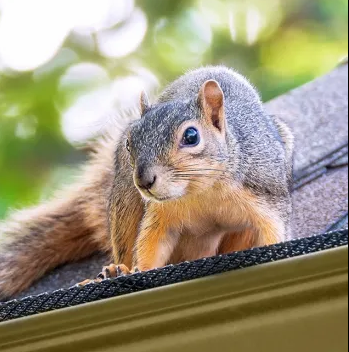

Wildlife can enter a home without immediately attracting attention. A small change in the yard, unusual damage near a storage area, or disturbed materials around the building may indicate that an animal has been exploring the property. These clues are easy to overlook when daily routines keep homeowners busy. If squirrels begin entering enclosed spaces or nesting near the roof, professional squirrel removal can help address the activity before it leads to more extensive property damage.
Changes Near Outdoor Equipment
Air-conditioning units, exterior utility boxes, and other outdoor equipment create small spaces that homeowners may rarely inspect. Leaves, nesting materials, and debris that collect around these locations can hide signs of animal activity. Squirrels and other small animals may investigate sheltered areas, particularly when nearby vegetation provides convenient access.
Check around outdoor equipment for displaced materials, unusual droppings, or signs of chewing. Keep the surrounding area reasonably clear so that new activity is easier to notice. Do not open electrical equipment or reach into concealed spaces without proper training. If damage appears near wiring or mechanical components, arrange an appropriate professional inspection.
Disturbed Soil and Garden Borders
Changes in garden beds can reveal that wildlife has been visiting the property. Freshly disturbed soil, small holes, displaced mulch, and damaged plants may result from animals searching for food or exploring a sheltered location.
However, these signs are not exclusive to squirrels or rodents. Birds, insects, and other wildlife can also disturb soil. Look for several clues together, such as tracks, repeated activity in the same location, or damage near a fence or structure.
Keeping garden borders maintained makes it easier to recognise new disturbances. Remove fallen fruit and avoid leaving food scraps outdoors, as accessible food may encourage repeated visits.
Unexplained Damage to Stored Items
Storage areas can provide useful evidence because animal activity may leave marks on materials that are otherwise rarely disturbed. Torn bags, chewed packaging, shredded paper, and displaced fabric may suggest that an animal has been searching for food or nesting material.
Inspect garages, sheds, and storage rooms periodically. Use sealed containers for items that could attract wildlife, and keep frequently accessed areas organised. Pay particular attention to corners, shelves near exterior walls, and spaces around doors.
If you discover droppings or nesting material, avoid handling them directly. The safest response depends on the type and extent of contamination. Identifying the animal before cleaning or making repairs can help prevent unnecessary risks.
Strange Patterns Around Trash Containers
A garbage container that repeatedly moves, tips over, or shows damage may indicate visits from wildlife. Rodents can investigate food waste, while larger animals may pull at bags or push unsecured lids aside.
Use sturdy bins with tightly fitting lids and keep them in a secure location when possible. Clean spills around the containers and avoid leaving loose rubbish outdoors overnight. If damage continues despite better storage, observe the area from a safe distance to determine when the activity occurs.
Understanding what attracts animals is an important step toward reducing repeat visits. Simply replacing a damaged bin may not solve the issue if accessible food remains nearby.
When Indoor Clues Suggest a Rodent Problem
Some warning signs become noticeable only after wildlife has entered the building. Scratching sounds, droppings, gnaw marks, damaged insulation, and torn materials may appear in kitchens, garages, attics, or crawl spaces. The location of these signs can help narrow down where animals are moving.
Homeowners searching for squirrel removal Columbia SC should consider a professional inspection when evidence keeps appearing, the source cannot be identified, or damage is found in inaccessible areas. A suitable assessment can help determine whether the problem involves mice, rats, squirrels, or another animal and identify where further investigation is needed.
Avoid reaching behind walls, moving heavy insulation, or attempting to capture an animal by hand. These actions may expose you to bites, contaminated materials, or hidden electrical hazards.
Pay Attention to Repeated Activity
A single unusual mark may have a simple explanation, but recurring signs deserve closer attention. For example, materials may repeatedly appear disturbed in the same corner, or scratching may continue near one section of the ceiling. These patterns can suggest that an animal is regularly using a particular route or shelter.
Keep brief notes about where and when signs appear. This information can help a wildlife professional understand the pattern without requiring homeowners to approach the animal. Do not block a suspected entry point until you know whether wildlife remains inside, as doing so may trap an animal within the structure.
Review Less-Visited Parts of the Property
Homeowners often focus on kitchens, living rooms, and other frequently used spaces while overlooking sheds, crawl-space entrances, detached garages, and the edges of porches. These areas can conceal early evidence because they receive less attention.
Include them in routine property checks. Look for damaged screens, loose panels, unusual odours, and changes in stored materials. If a space is unsafe or difficult to access, arrange a professional assessment rather than attempting an inspection without suitable equipment.
Respond Before a Small Clue Becomes a Bigger Issue
Recognising subtle wildlife signs early can help homeowners limit damage and understand what is happening around their property. Regular observation, secure food storage, and timely repairs can reduce opportunities for animals to settle inside.
If unusual activity continues, identifying the species and its access route is more effective than treating each new sign separately. Professional assessment can guide appropriate removal and prevention measures, helping homeowners protect their property while reducing the likelihood of repeated wildlife problems.