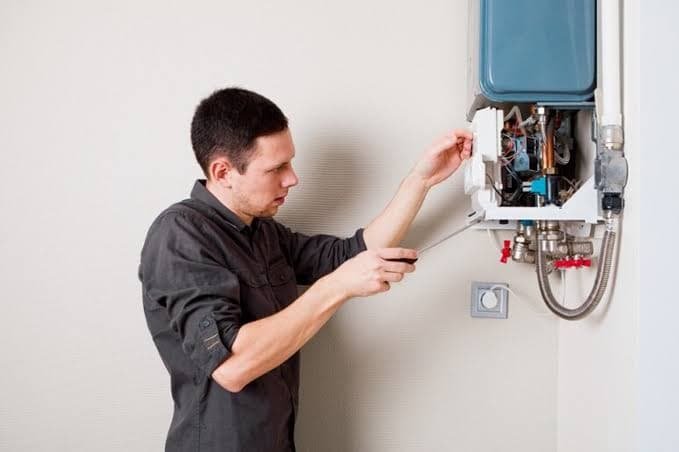

A reliable heating system is essential for maintaining a comfortable, energy-efficient home. Whether you are replacing an outdated boiler, upgrading an inefficient heating system or installing central heating in a new property, choosing the right equipment and ensuring professional installation are important decisions. A modern boiler can provide dependable heating, consistent hot water and improved energy performance when correctly selected and maintained.
Gas boiler installation involves more than simply connecting a new appliance to existing pipework. It requires careful assessment of the property, consideration of household heating requirements, appropriate boiler sizing, safe gas connections and thorough system testing. Understanding each stage helps homeowners make informed decisions, avoid unnecessary expenses and enjoy reliable heating throughout the year.
This guide explains the different types of boilers, the installation process, important safety considerations, potential costs and ongoing maintenance requirements. It also highlights how professional heating services from PGA&D can help homeowners achieve a dependable heating solution.
Understanding Modern Gas Boiler Systems
A gas boiler uses natural gas to heat water, which is then circulated through radiators or underfloor heating systems. Depending on the boiler design, it can also provide hot water for bathrooms, kitchens and other household facilities.
Modern boilers are designed to operate more efficiently than many older models. They typically use condensing technology to recover additional heat from exhaust gases, reducing wasted energy and improving overall performance.
How Does a Gas Boiler Work?
A boiler burns gas within a controlled combustion chamber to generate heat. This heat transfers to water through a heat exchanger. A pump then circulates the heated water through the property’s heating system.
When a household needs hot water, the boiler supplies it according to its particular system design. Modern controls allow homeowners to adjust heating schedules, room temperatures and hot water settings.
The main components include:
- Burner:Produces heat by burning natural gas.
- Heat exchanger:Transfers heat from combustion gases to water.
- Pump:Circulates heated water around the system.
- Expansion vessel:Accommodates changes in water pressure.
- Flue:Safely removes combustion gases from the property.
- Thermostat:Regulates heating temperatures.
- Control system:Manages boiler operation and heating schedules.
Understanding these components makes it easier to recognise why professional installation and regular servicing are important.
Different Types of Gas Boilers Available
Selecting an appropriate boiler depends on household size, hot water demand, available space and existing heating infrastructure. There are three main boiler types commonly used in residential properties.
Combi Boilers
Combination boilers, commonly called combi boilers, provide central heating and hot water directly from one compact unit. They do not generally require a separate hot water storage cylinder.
Their compact design makes them suitable for smaller properties where space is limited. Furthermore, hot water is available when required, reducing the need to store heated water.
However, a combi boiler may be less suitable for larger households where several bathrooms require hot water simultaneously.
System Boilers
System boilers use a separate hot water cylinder to store heated water. Many of their essential components are incorporated within the boiler itself, making installation relatively straightforward in properties with suitable existing infrastructure.
They are particularly useful for households with higher hot water demands. Nevertheless, homeowners must consider the additional space required for the cylinder.
Conventional Boilers
Conventional boilers, also known as regular or heat-only boilers, use separate hot and cold water storage tanks alongside a hot water cylinder.
They can be suitable for larger properties with traditional heating systems and multiple bathrooms. In addition, they may be a practical replacement option when an existing installation already uses this configuration.
Choosing between these systems requires an assessment of the property’s heating requirements rather than simply selecting the most powerful model.
Why Professional Boiler Installation Matters
Installing a gas boiler involves working with combustible fuel, water connections, electrical components and combustion gases. Incorrect installation can create serious safety risks, reduce efficiency and lead to expensive equipment damage.
Professional installation helps ensure that the appliance is correctly sized, connected, configured and tested before use.
Improved Heating Efficiency
A correctly installed boiler can deliver heat more effectively while avoiding unnecessary energy consumption. Proper system configuration, suitable controls and balanced radiators all contribute to improved heating performance.
Additionally, a qualified installer can identify problems with existing pipework, circulation and radiator performance before they affect the new equipment.
Enhanced Household Safety
Gas appliances must be installed according to applicable safety regulations and manufacturer instructions. Incorrect flue positioning, poor ventilation or defective gas connections can cause dangerous situations.
Professional installers carry out essential safety checks to help ensure that the system operates correctly.
Reliable Hot Water Supply
A properly selected boiler should meet the property’s everyday hot water requirements. This is particularly important for families who regularly use multiple bathrooms, showers and kitchen facilities.
A heating specialist can evaluate water pressure, flow requirements and household demand before recommending an appropriate appliance.
The Gas Boiler Installation Process Explained
Understanding the installation process helps homeowners know what to expect when arranging a new heating system.
1. Initial Property Assessment
The first stage involves inspecting the property and reviewing the existing heating arrangement. An installer considers the boiler location, available space, gas supply, ventilation, flue route and condition of existing pipework.
The assessment should also establish how much heating and hot water the household requires.
2. Selecting the Correct Boiler
Once the property’s requirements are understood, an appropriate boiler can be selected.
Important considerations include:
- Property size and layout.
- Number of bathrooms.
- Number of occupants.
- Existing radiator configuration.
- Hot water consumption.
- Available installation space.
- Boiler efficiency and manufacturer warranty.
Choosing the correct capacity is essential. An undersized appliance may struggle to meet household demand, whereas an unnecessarily large boiler could increase initial costs.
3. Removing the Existing Boiler
When replacing an older appliance, the installer isolates the gas, water and electrical supplies before removing the existing boiler.
The old equipment must be disconnected and disposed of appropriately. Depending on the condition of the heating system, the installer may also recommend cleaning the pipework and radiators to remove accumulated sludge and debris.
4. Installing the New Appliance
During gas boiler installation, the new appliance is positioned according to manufacturer requirements and applicable regulations.
The installer connects the necessary gas and water pipework, electrical controls, heating connections and flue components. Appropriate condensate drainage must also be provided for condensing boilers.
All connections should be completed using approved materials and installation methods.
5. Testing and Commissioning
After installation, the boiler must undergo proper commissioning and safety testing.
This includes checking gas tightness, combustion performance, water pressure, heating circulation, flue operation and control settings.
The installer should explain how to operate the appliance, adjust its controls and recognise warning indicators.
Important Factors to Consider Before Installing a New Boiler
A new heating appliance is a long-term investment. Therefore, homeowners should consider several factors before making their final decision.
Property Size and Heating Requirements
Larger properties generally require greater heating capacity than smaller homes. However, the correct boiler size also depends on insulation quality, room layout, radiator output and heat loss.
A professional heat-loss assessment can help determine the appropriate heating capacity.
Energy Efficiency
Boiler efficiency affects how effectively fuel is converted into usable heat. Modern condensing boilers can recover heat that older appliances would otherwise release through the flue.
Homeowners should compare efficiency ratings, operating requirements and manufacturer specifications before purchasing a model.
Installation Location
The boiler’s position should provide suitable access for maintenance and comply with ventilation and flue requirements.
Common locations include kitchens, utility rooms, cupboards and dedicated boiler spaces. However, not every location is appropriate for every appliance.
Warranty and Manufacturer Support
A manufacturer’s warranty can provide valuable protection against qualifying equipment faults.
Before purchasing, check the warranty duration, registration requirements, servicing conditions and exclusions. Regular maintenance may be necessary to keep the warranty valid.
How Much Does a New Gas Boiler Installation Cost?
The total cost depends on the appliance, property requirements and complexity of the work. Consequently, there is no single price that applies to every household.
Several factors influence the final quotation.
Boiler Type and Brand
Different boiler models have different purchase prices depending on their capacity, features, efficiency and manufacturer.
Combi boilers, system boilers and conventional boilers may also involve different installation requirements.
Labour and Installation Complexity
Replacing an existing boiler in the same location may be relatively straightforward. However, moving the appliance or changing the heating system configuration can involve additional labour and materials.
For example, new pipework, electrical controls, flue modifications or drainage arrangements may increase the overall cost.
Additional Components
Some installations require additional equipment to improve system performance and meet safety requirements.
These may include:
- Magnetic system filters.
- Programmable thermostats.
- Smart heating controls.
- Additional pipework.
- New radiator valves.
- System cleaning equipment.
- Suitable condensate drainage components.
Homeowners should request an itemised quotation so they understand which products and services are included.
Signs That Your Existing Boiler Needs Replacing
An ageing boiler may become less reliable over time. Although some faults can be repaired, repeated problems may indicate that replacement is worth considering.
Common warning signs include:
Frequent Boiler Breakdowns
If the boiler regularly stops working or requires repeated repairs, its reliability may be deteriorating. A qualified heating engineer can inspect the appliance and advise whether repair or replacement is more appropriate.
Unusual Noises
Banging, whistling, gurgling and other unusual sounds can indicate trapped air, circulation problems, limescale or internal component faults.
These symptoms should be investigated rather than ignored.
Inconsistent Heating and Hot Water
Radiators that struggle to heat up or hot water that frequently changes temperature may indicate problems with the boiler or wider heating system.
Increasing Energy Consumption
If energy usage increases without a clear change in household heating habits, an inefficient appliance or underlying system problem could be responsible.
Comparing consumption over time can help identify whether further investigation is needed.
Maintaining Your Boiler After Installation
Regular maintenance supports safe operation, helps identify developing faults and can extend the useful life of heating equipment.
Arrange Annual Boiler Servicing
An annual service allows a qualified professional to inspect the appliance, check its operation and identify potential safety concerns.
Servicing typically includes relevant inspections of the burner, heat exchanger, flue, seals and controls, following manufacturer guidance.
Monitor Boiler Pressure
Homeowners should understand the normal operating pressure specified in their boiler manual. Significant pressure changes may indicate a leak or another system problem.
If pressure repeatedly falls or rises outside the recommended range, arrange a professional inspection.
Keep the Heating System Clean
Sludge, rust and other debris can accumulate inside radiators and pipework. Over time, these deposits can restrict water circulation and reduce heating performance.
A suitable system filter and appropriate cleaning procedures can help protect the heating system.
Use Heating Controls Effectively
Programmable thermostats and smart controls allow homeowners to manage heating schedules according to their daily routines.
Avoiding unnecessary heating can improve comfort and help reduce wasted energy.
Why Choose Professional Heating Services from PGA&D?
Choosing an experienced heating service provider is an important part of upgrading a household heating system. Homeowners should look for appropriate qualifications, transparent quotations, knowledge of current safety requirements and experience with different boiler models.
PGA&D aims to help customers understand their heating requirements and identify suitable solutions for their properties.
Whether replacing an outdated appliance or upgrading an existing heating arrangement, professional guidance can help homeowners make informed decisions.
Important qualities to look for include:
- Properly qualified and registered gas installers.
- Clear explanations of recommended equipment.
- Transparent pricing and installation details.
- Compliance with relevant safety regulations.
- Appropriate commissioning and testing.
- Guidance on boiler operation and maintenance.
- Access to manufacturer warranty information.
For work involving gas appliances in the UK, customers should verify that the installer is appropriately registered with Gas Safe Register. They should also request the relevant installation documentation after the work has been completed.
Frequently Asked Questions About Gas Boilers
How Long Does a Boiler Installation Usually Take?
A straightforward replacement may take approximately one day. However, more complicated installations involving boiler relocation, new pipework or system changes can take longer. The installer should provide an estimated timeframe after inspecting the property.
Which Boiler Is Best for a Small Property?
A combi boiler is often suitable for smaller properties because it provides heating and hot water without requiring a separate storage cylinder. However, the final choice depends on water pressure, hot water demand and the property’s existing system.
Can an Old Boiler Be Replaced Without Changing the Radiators?
Yes. Existing radiators can often remain in place if they are in suitable condition and provide sufficient heat output. An installer should inspect the radiators and pipework before recommending replacement.
Is Annual Boiler Servicing Necessary?
Annual servicing is strongly recommended by manufacturers and heating professionals. It helps identify potential problems, supports safe operation and may be required to maintain certain manufacturer warranties.
What Should I Check Before Hiring a Boiler Installer?
Check the installer’s relevant qualifications, Gas Safe registration, experience, quotation details and insurance arrangements. Also confirm whether commissioning, system cleaning, warranty registration and installation documentation are included.
Conclusion
A dependable heating system contributes significantly to household comfort, energy efficiency and everyday convenience. Selecting the correct appliance, assessing property requirements and ensuring professional workmanship are all essential steps towards achieving reliable heating.
Gas boiler installation should always be approached with careful planning, appropriate equipment selection and thorough safety checks. From understanding different boiler types to arranging regular servicing, informed decisions can help homeowners protect their investment and maintain consistent heating performance.
Working with a qualified heating professional also makes it easier to identify suitable solutions, understand installation costs and ensure compliance with relevant regulations. With professional support from PGA&D, homeowners can take a more informed approach to upgrading their heating systems and maintaining a comfortable home throughout the colder months.