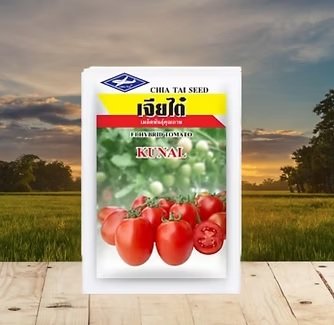

Tomato cultivation offers valuable opportunities for farmers because tomatoes are widely consumed in households, restaurants, hotels, and food processing industries. With changing agricultural practices and increasing market expectations, farmers are paying more attention to selecting suitable seeds for their fields. Choosing the right variety can make an important difference in crop uniformity, fruit development, and overall farm management. F1 hybrid tomato seeds are an option worth considering for farmers who want to explore improved characteristics in commercial tomato cultivation.
What Makes Hybrid Tomato Seeds Different?
Hybrid tomato varieties are developed by crossing selected parent plants with desirable characteristics. This breeding process aims to combine useful qualities into the first generation of seeds, commonly called F1 hybrids.
Depending on the variety, these seeds may offer uniform plant growth, attractive fruit appearance, suitable maturity characteristics, and improved adaptability to particular growing conditions. These features make hybrid varieties an important consideration for farmers planning commercial tomato production.
Unlike traditional open-pollinated varieties, F1 hybrids are generally selected for specific combinations of traits. Farmers should remember that seeds saved from F1 hybrid plants may not produce plants with the same characteristics in the next generation.
Factors That Influence Tomato Crop Performance
Good farming results depend on more than simply purchasing seeds. Several agricultural factors work together throughout the growing season.
Suitable Variety Selection: Farmers should select varieties according to their region, planting season, soil conditions, and market requirements. Understanding the characteristics of a hybrid before purchasing can help avoid unsuitable choices.
Healthy Seedlings: Strong and healthy seedlings provide a good starting point for tomato cultivation. A properly maintained nursery, suitable growing medium, and recommended sowing practices help support early plant development.
Soil Preparation: Tomato plants require well-drained and fertile soil. Adding suitable organic matter and preparing the field before transplanting can create favourable conditions for root establishment.
Water Management: Consistent moisture is important during different stages of crop development. Farmers should adjust irrigation according to weather conditions, soil type, and plant requirements.
Benefits of Choosing F1 Hybrid Tomato Seeds
The growing interest in F1 hybrid tomato seeds comes from the different characteristics that breeders aim to develop in these varieties.
One major consideration is uniformity. A suitable hybrid can produce plants with relatively consistent growth and fruit characteristics, making harvesting and crop management more convenient.
Fruit quality is another important factor. Depending on the hybrid, tomatoes may have desirable size, shape, colour, and firmness. These qualities can be relevant when selling produce in wholesale markets, vegetable shops, and retail supply chains.
Some hybrid varieties are also developed with specific disease-resistance characteristics. Farmers should always check the official product information to understand which resistances are available rather than assuming every hybrid provides the same protection.
How to Manage a Tomato Crop Effectively
Successful tomato cultivation requires attention at every stage, from nursery preparation to harvesting.
Begin by selecting a suitable planting season and following the recommended seed-sowing instructions. Transplant healthy seedlings into properly prepared soil while maintaining the spacing suggested for the selected variety.
Provide balanced nutrition throughout crop development. Soil testing can help determine the appropriate fertilizer requirements and prevent unnecessary fertilizer applications.
Regularly inspect plants for insects, diseases, and nutrient deficiencies. Early identification allows farmers to take suitable corrective measures. Integrated pest management and good field sanitation can also help maintain crop health.
As plants grow, suitable staking and training practices may improve field organization and support fruit development. Remove weeds carefully to reduce competition for available resources.
Understanding Market Requirements Before Planting
Before starting commercial tomato farming, farmers should understand the demand in their local markets. Buyers may prefer specific fruit sizes, colours, shapes, and firmness levels.
Selecting a hybrid according to these requirements can help farmers plan their production more effectively. Transportation and storage requirements should also be considered, especially when tomatoes are supplied to distant markets.
A practical farming decision combines seed characteristics, expected market demand, cultivation costs, and local environmental conditions.
Finding Suitable Tomato Seeds from a Trusted Source
Selecting an authentic seed supplier is an important part of agricultural planning. Farmers should look for clear product descriptions, proper packaging, batch details, and relevant cultivation information.
Hindustan Seeds & Pesticides provides agricultural seed options for farmers exploring different crop varieties. Its tomato seed collection can be explored by farmers interested in finding suitable options for their cultivation needs.
Before purchasing, compare the available variety characteristics and select seeds according to your farming requirements.
Conclusion
Better tomato cultivation starts with informed decisions and proper crop planning. Selecting suitable F1 hybrid tomato seeds can help farmers explore varieties developed for uniform growth, fruit quality, and specific agricultural requirements. However, good seed selection should always be supported by proper soil preparation, balanced nutrition, timely irrigation, and regular crop monitoring.
Farmers looking for tomato seed options can visit Hindustan Seeds & Pesticides to explore available products and learn more about suitable varieties.