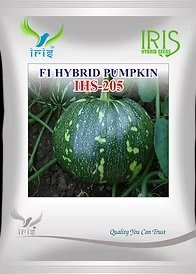

Pumpkin is an important vegetable crop cultivated by farmers for its nutritional value, culinary uses, and market demand. It is used in a variety of dishes and is appreciated for its versatility in household and commercial kitchens. Selecting suitable seeds is an essential step in planning a healthy pumpkin crop. F1 Hybrid Pumpkin Seeds are an option for growers who want to explore hybrid varieties for their agricultural needs and seasonal cultivation plans.
Importance of Selecting Quality Pumpkin Seeds
Seed selection is one of the first steps in successful pumpkin cultivation. Farmers should consider germination quality, plant growth, fruit characteristics, maturity period, and suitability for local climatic conditions.
F1 hybrid seeds are produced by crossing selected parent lines through controlled breeding. These hybrids are developed to combine particular characteristics that may be useful for cultivation.
However, every hybrid has its own features. Farmers should check the variety description and recommended growing conditions before selecting seeds for their fields.
Why Farmers Consider F1 Hybrid Pumpkin Seeds
Farmers often look for pumpkin varieties that match their cultivation objectives and local market requirements. Depending on the hybrid, growers may consider fruit shape, size, colour, plant growth, and maturity characteristics.
Choosing suitable hybrid seeds can help farmers plan their crop according to available land, irrigation facilities, and expected market demand.
For commercial farming, it is important to select a variety that is appropriate for the local environment and the preferences of buyers.
Preparing the Field for Pumpkin Cultivation
Proper field preparation supports healthy root development and plant growth. Pumpkin generally performs well in fertile, well-drained soil with adequate sunlight.
Before sowing, farmers should remove weeds and prepare the soil properly. Organic matter may be added according to local agricultural recommendations to improve soil structure.
Good drainage is important because excessive water around the roots can affect crop development. Farmers should also provide sufficient space for the plants and vines to spread.
Following the recommended spacing for the selected hybrid helps make field management more convenient.
Sowing and Germination
Pumpkin seeds should be sown during a suitable season based on the local climate and variety recommendations. Appropriate soil temperature and moisture are important for successful germination.
Farmers should sow seeds at the recommended depth and maintain balanced moisture during the early growth stage. Excessive watering should be avoided, particularly in fields with poor drainage.
Regular monitoring after sowing helps growers observe seedling development and identify any early crop management concerns.
Irrigation and Nutrient Management
Water management is an important part of pumpkin cultivation. Plants require sufficient moisture during vegetative growth, flowering, and fruit development.
Irrigation should be adjusted according to soil type, weather conditions, and crop stage. Farmers should avoid both prolonged dryness and waterlogging.
Balanced nutrient management also supports healthy plant development. Soil testing can help determine the appropriate fertilizer requirements for the field.
Applying nutrients according to local agricultural guidance helps farmers manage input costs and maintain suitable growing conditions.
Crop Protection and Plant Care
Pumpkin crops may face weeds, insects, and diseases depending on the growing environment. Regular field observation helps farmers identify potential issues early.
Maintaining field sanitation, managing weeds, and following suitable crop protection practices can support healthy plant growth.
Farmers should seek guidance from agricultural experts when identifying pest or disease symptoms. Crop protection products should be used only when appropriate and according to approved instructions.
Harvesting and Marketing Pumpkin Fruits
Pumpkin fruits should be harvested at the appropriate maturity stage according to the selected hybrid and market requirements.
Careful harvesting helps reduce damage to the fruits. Farmers should handle produce properly and sort it according to size, appearance, and buyer preferences.
Understanding market demand before planting can help growers select a suitable variety and plan their harvesting activities more efficiently.
Conclusion
F1 Hybrid Pumpkin Seeds can be considered by farmers looking for hybrid options for pumpkin cultivation. Selecting suitable seeds, preparing the field properly, maintaining balanced irrigation, and following responsible crop management practices are important steps towards healthy crop development.
Farmers should evaluate the characteristics of each hybrid and choose seeds according to their regional conditions and cultivation objectives.
For more information about hybrid vegetable seeds and agricultural varieties, visit Iris Seeds and explore the available options for your farming requirements.