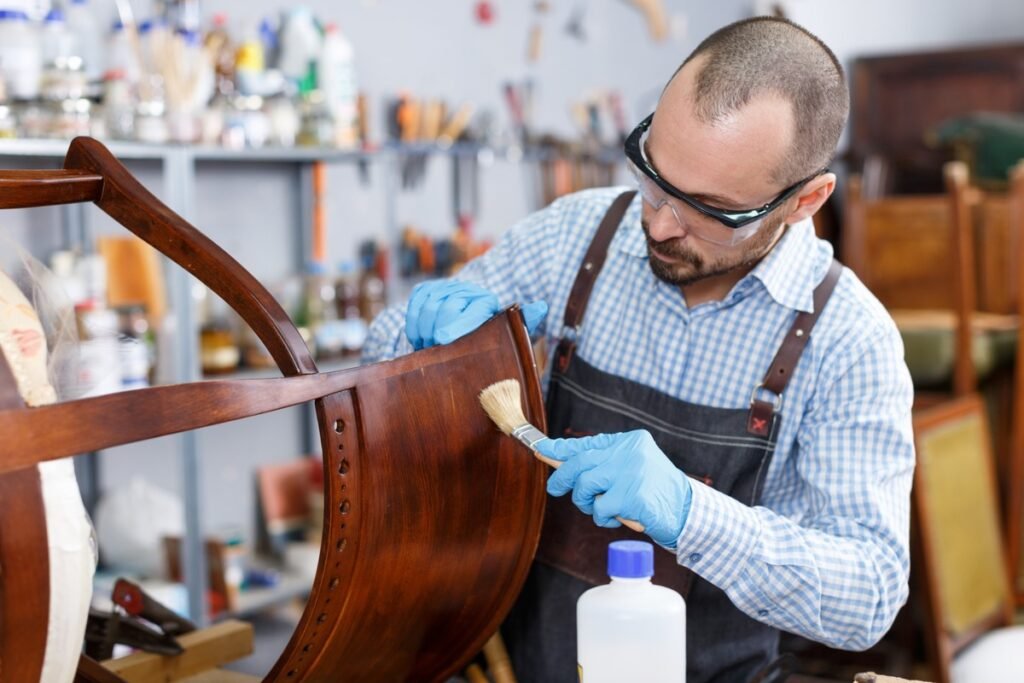

A scratched dining table, faded wood finish, or loose chair joint can make a well-loved piece look ready for replacement. In Austin, where strong sunlight, dry spells, and humid periods can affect wood and finishes, the right repair can help furniture last for years. At Furniture Refinishing, we believe the first step is understanding the damage before deciding whether a piece needs a simple touch-up or a full restoration.
Furniture can hold financial, practical, and sentimental value. Replacing it is not always necessary, especially when the underlying structure remains sound. Professional Furniture Refinishing and Repair can address surface damage, worn coatings, loose joints, and other signs of age while preserving the character of the original piece.
What Furniture Refinishing and Repair Involves
Furniture refinishing focuses on improving or renewing a piece’s surface, while furniture repair addresses physical damage and structural problems. Depending on the condition, a project may require one service or a combination of both.
A refinishing specialist may remove an old coating, prepare the wood, apply a stain, and protect the surface with a suitable finish. Repair work can involve tightening loose joints, replacing damaged veneer, filling small chips, correcting scratches, or rebuilding a weakened section.
The right method depends on the furniture’s material and construction. Solid oak, walnut, maple, plywood, and veneered furniture do not respond to every treatment in the same way. For example, sanding a thin veneer too aggressively can expose the material beneath it, causing damage that may be difficult to reverse.
In Austin, we’ve noticed that many homeowners underestimate how much a worn finish affects the appearance of an otherwise serviceable piece. A dining table may have cloudy patches and surface scratches but still have a sturdy frame and stable legs. In such cases, refinishing may be a sensible alternative to buying a replacement.
The service can also suit office desks, antique cabinets, bedroom furniture, wooden doors, and selected commercial furnishings. A professional assessment helps establish which components can be restored, which need repair, and whether the expected result justifies the cost.
The Real Challenge for Furniture Owners in Austin
A successful restoration begins with diagnosis, not sanding. The finish may look damaged while the real problem lies underneath, such as a loose joint, lifting veneer, or an earlier coating that reacts poorly to a new product. Treating the visible mark without checking the surrounding material can lead to disappointing results.
Wood naturally responds to changes in its environment. Panels may move slightly, joints can loosen, and existing finishes may show cracks or dull areas. These changes do not automatically mean that a piece is beyond repair, but they can influence the treatment it needs.
Consider a common scenario: a client in Austin notices that a walnut coffee table has developed pale patches near a sunny window, along with scratches from everyday use. The table remains stable, and the damage is mostly limited to the surface. After assessing the existing coating and checking the wood for deeper damage, a refinisher may recommend localized restoration or a new finish rather than replacing the entire table.
One concern that deserves a direct answer is whether refinishing will make old furniture look brand-new. Not always. Deep dents, previous repairs, sun fading, and natural variations in wood grain may remain visible to some degree. A skilled professional should explain the likely result before work begins rather than promise a flawless finish.
Commercial properties face a related issue. Hotels, restaurants, and offices often need furniture restored without replacing every piece or disrupting daily operations. Hotel furniture repair services may address damaged headboards, scratched desks, cabinet edges, and worn wooden fixtures. The work must account for durability, appearance, and the practical demands of a busy property.
The most useful starting point is an honest condition assessment. It should distinguish cosmetic wear from structural damage and explain whether a targeted repair, partial refinishing, or full restoration makes the most sense.
How Furniture Refinishing Approaches It Differently
Furniture Refinishing follows a condition-first approach to choosing the appropriate treatment. The process should start with an inspection of the wood, existing finish, joints, hardware, and areas exposed to moisture or sunlight. From there, the refinisher can explain the available options and set realistic expectations for the finished piece.
A typical project may include the following stages:
- Inspection and assessment: Identify surface scratches, dents, water rings, loose joints, veneer damage, and signs of previous repairs.
- Preparation: Clean the piece, protect areas that will not be treated, and remove an existing coating only when the chosen method requires it.
- Repair and color matching: Correct structural problems, fill suitable defects, and test stain or finish colors in a discreet area.
- Finishing: Apply the selected stain, lacquer, oil, or protective coating according to the material and intended use.
- Final inspection: Check the appearance, surface feel, repaired joints, and finish consistency before returning the furniture.
One detail that deserves more attention is finish compatibility. A new coating may not bond correctly with an old wax, polish, lacquer, or unknown finish. Testing a small area first can help identify potential problems before they spread across the entire surface.
For valuable antiques, designer pieces, and delicate woodwork, high-end furniture services in Austin TX should also account for original hardware, period details, and the value of preserving the existing character. A complete color change may look attractive, but it can reduce the appeal of a collectible piece if originality matters to future buyers.
The goal is not to remove every sign of age. It is to restore function and appearance while making sensible decisions about what should be repaired, retained, or replaced.
Practical Tips: What to Know Before You Decide
Before booking a refinishing project, take a few minutes to evaluate the furniture and gather the details a professional will need. This preparation can help you compare estimates accurately and avoid paying for work that will not solve the underlying problem.
Check the structure before judging the surface. A beautiful finish cannot compensate for a cracked leg or unstable joint. Test chairs and tables gently for movement, but avoid forcing damaged parts into position. If a piece feels unstable, have it inspected before regular use.
Take clear photographs. Capture the full piece, close-ups of damaged areas, the underside if accessible, and any visible maker’s marks. Include dimensions and describe the result you want. Photos help a refinisher understand the scope, although an in-person inspection may still be necessary for an accurate quote.
Ask what the estimate includes. Confirm whether the price covers stripping, sanding, structural repairs, stain matching, protective coating, transport, and taxes where applicable. A low initial quote may exclude work that becomes necessary after the old finish is removed.
Consider how the furniture will be used. A dining table needs a finish suited to frequent contact, spills, and cleaning. An antique display cabinet may call for a different treatment that prioritizes its original appearance. Ask about curing time before placing objects on a newly finished surface.
Think about Austin’s sunlight and indoor conditions. Furniture beside south- or west-facing windows may receive strong afternoon sun. Curtains, blinds, and sensible furniture placement can reduce exposure. Avoid placing wood pieces directly against damp walls or close to heat sources, and maintain reasonably stable indoor conditions.
Working with clients in Austin, our team found that the expected appearance and the actual condition of a piece do not always match. A small scratch can conceal a deeper finish failure, while a dull surface may need far less work than the owner expects. An assessment is more useful than deciding on a treatment based on appearance alone.
For businesses, schedule repairs around occupancy and operating hours. Hotel furniture touchup may be suitable for minor visible damage, while broken joints, loose hardware, or extensively worn surfaces may need workshop repairs. Confirm which work can be completed on-site and which pieces must be transported.
Finally, ask about the care instructions for the proposed finish. Some coatings need several days or longer to cure fully, even when the surface feels dry. Following the recommended waiting period helps prevent marks, sticking, and premature wear.
Give Your Austin Furniture a Longer Life
Furniture that looks worn may still have years of useful life left, particularly if its structure remains sound. A careful inspection can help you compare repair and replacement costs, understand the likely finish, and choose a practical restoration plan. If a favorite piece needs attention, contact Furniture Refinishing for an assessment of its condition and suitable refinishing options in Austin, TX.
4. FAQs
1. How much does furniture refinishing cost in Austin, TX?
The price depends on the furniture’s size, material, condition, finish, and repair requirements. A simple touch-up usually costs less than stripping and refinishing a large dining table or repairing damaged veneer. Request an itemized estimate and ask whether transport, structural repairs, and protective coatings are included before approving the work.
2. Is it better to refinish old furniture or buy new furniture?
Refinishing can be worthwhile if the furniture has sound construction, quality materials, or sentimental value. Replacement may make more sense when the frame is extensively damaged, repairs are unusually costly, or the piece no longer meets your needs. Compare the expected repair cost with replacement quality, not just the price of a new item.
3. How long does furniture refinishing take?
Minor touch-ups may take a short visit, while full refinishing can require several days or longer. The schedule depends on repairs, stripping, preparation, coating requirements, and drying or curing time. Intricate pieces and specialty finishes may take longer. Ask for a realistic completion window and follow instructions about when the furniture can be used again.
4. How can I tell if a furniture refinisher is trustworthy?
Look for recent reviews, clear before-and-after photos, written estimates, and specific explanations of the proposed work. Ask about experience with your furniture type, finish-matching methods, insurance where applicable, and repair guarantees. A reliable professional should explain limitations, discuss risks before starting, and avoid promising that every scratch or stain will disappear completely.
5. Can scratched or faded wood furniture be repaired without full refinishing?
Yes. Minor scratches, dull patches, small chips, and some water or heat marks can sometimes be treated with localized repairs. The best method depends on the existing coating, damage depth, and wood type. A test area helps determine whether a touch-up will blend in or whether a larger section needs refinishing.