



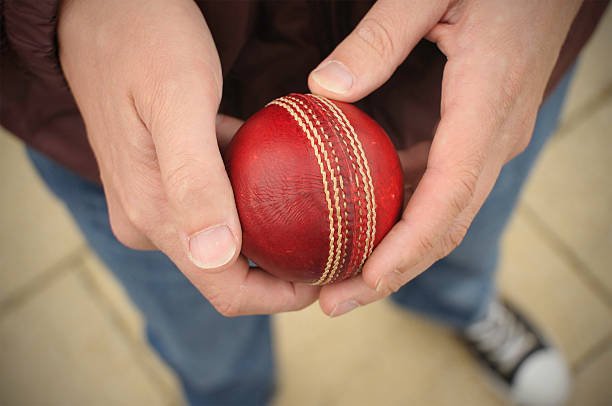

A cricket ball plays an important role in how a match develops. Its construction, seam, weight, and surface can affect bowling and batting. Among traditional leather cricket balls, Dukes cricket balls are well known for their distinctive seam and traditional construction.
Dukes balls are available for different levels and formats of cricket. Options include senior match balls, club balls, pink balls, and junior models. Understanding their features can help players and clubs choose the appropriate ball for their needs.
What Is a Dukes Cricket Ball?
A Dukes cricket ball is a leather ball made for competitive and recreational cricket. The balls are traditionally associated with English cricket and are known for their pronounced stitched seam.
Different models are designed for different levels of play. The range includes balls weighing around 156g for senior cricket, along with junior versions for younger players.
The construction usually combines a leather outer cover with a layered internal core. The design aims to provide consistent shape, bounce, and seam performance during play.
How Is a Dukes Cricket Ball Made?
Leather Outer Cover
The outer cover provides the surface that players see and handle. Higher-grade models use quality leather designed to maintain its condition during extended play.
The leather surface also allows players to polish one side of the ball during longer matches. This can influence how the ball behaves through the air.
Stitched Seam
The seam is one of the most noticeable features of a Dukes cricket ball. Its pronounced stitching gives bowlers a useful surface for controlling the ball.
Seam presentation can influence movement after pitching, particularly when bowling on suitable natural turf.
Internal Core
The inside of the ball contains layered materials that help maintain its shape. Some Dukes models use combinations of cork, rubber, and tightly wound layers.
A stable internal construction helps the ball maintain consistent bounce during a match.
What Weight Is a Dukes Cricket Ball?
Senior cricket balls commonly weigh around 156g, equivalent to 5½ ounces. For example, the Dukes Crown Prince and Select models are listed at this weight.
Junior cricket uses lighter balls because younger players may have different age-group requirements.
Players should always check their competition rules before selecting a match ball. The required weight can vary between age groups and competitions.
Different Types of Dukes Cricket Balls
Dukes produces several cricket ball models for different playing requirements.
Dukes Crown Prince
The Crown Prince is a senior match ball designed for competitive cricket. It uses a hand-stitched construction and a leather outer cover.
Its design focuses on shape retention, seam definition, and consistent performance over longer periods.
Dukes Select
The Dukes Select is aimed at club and intermediate-level cricket. It has a 156g weight and uses a hand-stitched leather construction.
Its internal cork and rubber core is designed to support consistent bounce and shape retention.
Dukes Prince
The Prince is another senior-weight option within the Dukes range. It is commonly considered for competitive club cricket where players need a traditional leather match ball.
Pink Dukes Balls
Pink cricket balls are used for certain day-night or alternative-format matches. They provide different visibility characteristics from traditional red balls.
The Dukes range includes pink options intended for club and match use.
Junior Dukes Balls
Junior cricket balls are made for younger players. They are available in lighter formats to suit youth cricket requirements.
Choosing the correct junior ball is important because age-group cricket can have specific equipment rules.
How Does a Dukes Ball Behave?
The behaviour of a cricket ball depends on several factors. Pitch conditions, weather, ball condition, bowling technique, and match duration all have an effect.
Swing
A new leather ball can move through the air when the conditions and bowling technique are suitable. The surface condition and seam can both contribute to how bowlers control the ball.
Seam Movement
The raised seam can provide bowlers with an important tool. A bowler can position the seam towards a particular area of the pitch to encourage movement.
Bounce
The ball’s internal construction and condition can influence its bounce. A well-maintained cricket ball should provide predictable behaviour during play.
Red, White and Pink Cricket Balls
Cricket uses different coloured balls for different formats.
Red balls are traditionally associated with longer-format cricket. White balls are commonly used for limited-overs matches, while pink balls can be used for specific day-night formats.
The correct colour should always follow the rules of the competition being played.
How Should a Cricket Ball Be Maintained?
Proper maintenance can help preserve a leather cricket ball.
Players should keep the ball dry and avoid unnecessary exposure to water. After use, it should be cleaned gently and stored somewhere dry.
During longer matches, fielders may polish the ball according to the laws and competition regulations.
The seam should also be protected from unnecessary damage. Excessive moisture, rough surfaces, and improper storage can reduce the ball’s useful life.
How Long Does a Dukes Cricket Ball Last?
There is no fixed lifespan for every cricket ball. Durability depends on the ball’s construction, pitch surface, weather, match length, and how it is maintained.
A premium match ball can maintain its shape and seam for extended periods when used under suitable conditions. Training on abrasive surfaces can cause considerably faster wear.
Therefore, clubs should select a ball according to both playing level and intended use.
How to Choose the Right Dukes Cricket Ball
Consider these factors before choosing a ball:
- Competition level
- Match format
- Required weight
- Ball colour
- Age group
- Pitch type
- Expected match duration
- Frequency of use
- Competition regulations
A professional or high-level club match may require a different specification from a school training session.
Frequently Asked Questions
Is a Dukes cricket ball suitable for club cricket?
Yes. Different Dukes models are designed for competitive club and intermediate-level cricket.
What is the standard senior cricket ball weight?
A senior cricket ball is commonly around 156g, or 5½ ounces.
Why does a cricket ball have a raised seam?
The seam gives bowlers a surface that can help with grip, control, and seam movement.
Can Dukes cricket balls be used for training?
Yes, although premium match balls may be better reserved for competitive matches. Training balls can provide a more economical option for frequent practice.
Are Dukes cricket balls available for junior players?
Yes. Junior Dukes models are available in lighter formats designed for youth cricket.
Final Thoughts
A Dukes cricket ball combines traditional leather construction with a prominent stitched seam. Its design can provide consistent bounce, grip, and movement when used in suitable playing conditions.
The right model depends on the player’s age, competition level, match format, and local rules. Understanding these differences makes it easier to select a cricket ball that matches the requirements of the game.