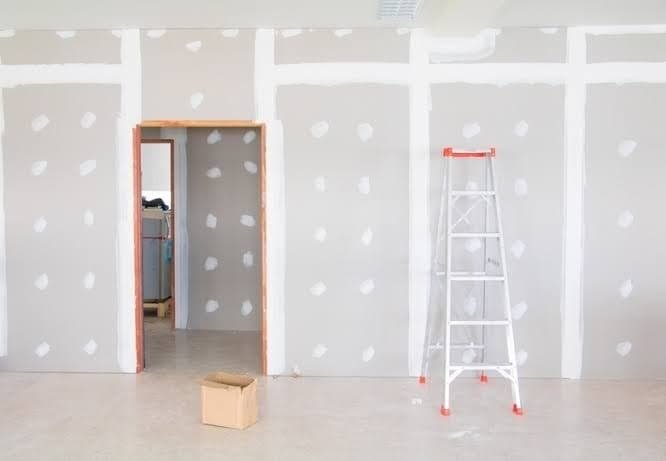

A smooth, attractive wall finish begins long before the first coat of paint is applied. Proper surface preparation plays a major role in determining how well paint adheres, how evenly it spreads, and how professional the finished walls look. For homeowners and property managers, drywall priming services Merrill, WI provide an important step toward achieving durable, consistent, and visually appealing results. Fresh drywall, repaired surfaces, and newly finished walls all benefit from the right primer application. Without proper priming, paint may absorb unevenly, leaving noticeable differences in color and texture. Understanding the purpose of drywall primer and the value of professional preparation can help property owners make better decisions when planning an interior renovation or construction project.
Why Drywall Priming Is Important Before Painting
Drywall is naturally porous, which means it absorbs moisture from paint differently across its surface. Joint compound, drywall paper, and repaired areas can also have different absorption rates. Applying paint directly to an unprimed surface may result in uneven coloring, dull patches, and inconsistent coverage. Primer creates a more uniform foundation, allowing the finishing paint to perform as intended. Professional drywall priming services Merrill, WI help address these surface differences before the final color is introduced. Priming also supports better paint adhesion and can reduce the number of finish coats needed in certain situations. For homeowners seeking a clean, consistent appearance, this preparation step should never be treated as an unnecessary extra during a painting project.
Understanding the Different Types of Drywall Primer
Choosing the right primer depends on the condition of the drywall, the type of project, and the intended paint finish. PVA primer is commonly used on new drywall because it helps seal porous surfaces and creates a consistent base for paint. High hiding primers can be useful when preparing surfaces that have noticeable variations or when changing from darker colors to lighter shades. Stain blocking primers are designed for specific problems, such as water stains or other discoloration, although the underlying moisture issue must be corrected first. Selecting an appropriate product helps prevent avoidable painting problems. A knowledgeable professional can evaluate the surface and recommend a primer that suits the material and the property’s requirements.
Preparing Drywall for a Smooth and Even Primer Application
Successful priming begins with careful surface preparation. Before primer is applied, drywall joints should be properly finished, screw holes filled, and imperfections corrected. Sanding helps remove rough edges and creates a smoother surface for the next stage. Dust must then be removed because loose particles can interfere with primer adhesion and affect the final appearance. Professionals also check for damaged paper, uneven joint compound, and areas that may require additional repairs. Homeowners considering drywall priming services Merrill, WI should understand that preparation is just as important as the primer itself. Applying even the highest quality product over an improperly prepared surface cannot guarantee a professional result. Attention to these details makes a noticeable difference in the finished walls.
How Professional Priming Supports Better Painting Results
Professional drywall priming involves more than simply applying a coat of product to the walls. Technicians consider the condition of each surface, select appropriate materials, and apply primer using suitable tools and techniques. Consistent coverage helps minimize differences in absorption, making the finishing paint easier to apply evenly. Proper drying time is equally important because painting over primer before it has adequately dried can affect the final result. AGP Drywall recognizes the importance of thorough preparation when working toward attractive interior finishes. A carefully primed surface provides a reliable starting point for the painting stage and helps create a more polished appearance. It also allows painters to identify remaining surface imperfections before applying the final color.
Common Drywall Priming Mistakes Property Owners Should Avoid
Several mistakes can affect the quality of a drywall priming project. One common problem is skipping primer altogether, especially when working with newly installed drywall. Another is applying primer over dusty surfaces without proper cleaning. Using the wrong primer for a particular condition can also lead to disappointing results. Applying excessively thick coats or failing to allow adequate drying time may create additional problems during painting. Some property owners also overlook minor imperfections that become more visible once paint is applied. Hiring experienced professionals can help prevent these avoidable issues. AGP Drywall Services emphasizes careful preparation, appropriate material selection, and consistent application to help property owners achieve dependable results during interior improvement projects.
Choosing a Reliable Drywall Priming Contractor
Finding the right contractor is an important part of planning a drywall project. Property owners should look for professionals who understand drywall finishing, surface preparation, primer selection, and painting requirements. Ask about their preparation process, the products they use, and whether minor surface repairs are included in the service. A dependable contractor should also provide a clear estimate and explain the expected project timeline. Reviewing previous work and customer feedback can offer additional insight into workmanship and reliability. AGP Drywall is a name property owners can consider when exploring professional drywall preparation solutions. Taking time to evaluate available services helps ensure that the project receives the attention it deserves from the initial inspection through the final preparation stage.
Frequently Asked Questions About Drywall Priming
Q1. Is primer necessary for new drywall?
Ans. Yes. New drywall is highly porous, and primer helps seal the surface, creating a more consistent foundation for paint.
Q2. How many coats of primer does drywall need?
Ans. One properly applied coat is generally sufficient for standard new drywall, although additional coats may be necessary depending on surface conditions and product recommendations.
Q3. How long should drywall primer dry before painting?
Ans. Drying times vary by product, temperature, and humidity. Always follow the manufacturer’s instructions before applying finishing paint.
Q4. Can I paint drywall without using primer?
Ans. Although certain specialized products may combine priming and painting functions, standard new drywall generally requires a suitable primer for consistent results.
Q5. Does priming help hide drywall imperfections?
Ans. Primer helps create a uniform surface, but it does not replace sanding, filling, or repairing visible imperfections.
Q6. What type of primer works best on new drywall?
Ans. PVA primer is a common choice because it is specifically designed to seal porous drywall surfaces before painting.
Give Your Walls the Proper Foundation for a Beautiful Finish
A successful painting project starts with a surface that has been prepared correctly. From repairing minor imperfections to selecting the appropriate primer and allowing sufficient drying time, every stage contributes to the final appearance. Proper preparation can help reduce uneven paint absorption, improve adhesion, and create a more consistent finish throughout your property. Homeowners planning renovation projects or working with newly installed drywall should consider professional drywall priming services Merrill, WI as an essential part of their improvement plans. With experienced assistance from AGP Drywall, property owners can approach their painting projects with greater confidence. Taking care of the preparation stage today helps establish the foundation for attractive walls and a more satisfying interior transformation.