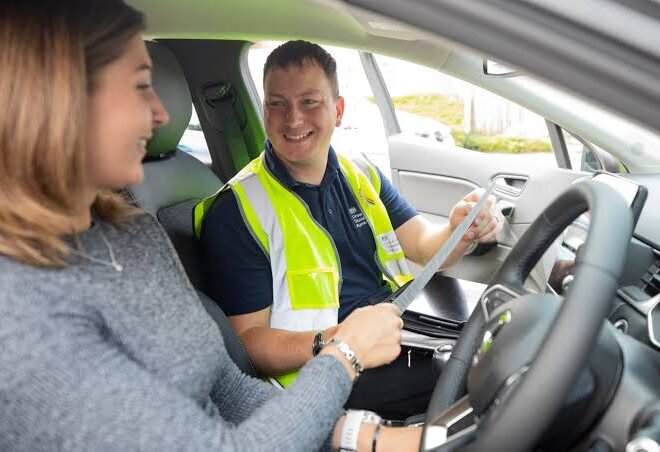

Obtaining a driving licence in the UK is an important step towards greater independence, convenience and mobility. Whether you are a first-time driver, an international resident or someone looking to exchange an overseas licence, understanding the UK driving licence process can help you avoid unnecessary delays and prepare for the road with confidence.
The UK has a structured licensing system designed to ensure drivers understand road safety, traffic regulations and responsible vehicle operation. From applying for a provisional licence to passing the theory and practical driving tests, each stage plays an important role in becoming a qualified driver.
What Is a UK Driving Licence?
A UK driving licence is an official document issued by the Driver and Vehicle Licensing Agency (DVLA) that authorises an individual to drive specific categories of vehicles on public roads. It contains important information, including the driver’s name, photograph, date of birth, licence number and permitted vehicle categories.
There are different licence categories depending on the type of vehicle a person wants to drive. These include cars, motorcycles, vans, buses and heavy goods vehicles.
For most new drivers, the journey begins with a provisional driving licence, which allows them to practise driving under specific supervision requirements before taking the practical test.
Types of Driving Licences in the UK
Understanding the different types of UK driving licences helps applicants identify which one meets their requirements.
1. Provisional Driving Licence
A provisional licence is the first step for most people learning to drive. Applicants can generally apply from the age of 15 years and 9 months, although they must normally be at least 17 to drive a car on public roads.
Learner drivers must display L plates, be supervised by a qualified driver and meet the relevant insurance requirements.
2. Full Driving Licence
A full driving licence is issued after successfully passing the required driving tests. It allows drivers to operate vehicles within the categories listed on their licence without learner supervision.
3. Motorcycle Licence
Motorcycle licences are available through different categories depending on engine size, power and the rider’s age and experience. Most new motorcycle riders must complete compulsory basic training (CBT) before riding on public roads, subject to applicable exemptions.
4. Commercial Driving Licence
Drivers who want to operate buses, coaches or heavy goods vehicles need the appropriate entitlement. Additional medical, theory and practical requirements may apply.
How to Apply for a UK Provisional Driving Licence
Applying for a provisional driving licence is relatively straightforward. Most applicants can complete the process online through the official GOV.UK website.
The general requirements include:
- Meeting the minimum age requirement.
- Being able to meet the required eyesight standard.
- Providing an acceptable identity document.
- Supplying your residential address history.
- Paying the applicable application fee.
Applicants should use the official government website to avoid unnecessary third-party charges.
Once the application is approved, the provisional licence is sent to the applicant. Learners can then arrange driving lessons and begin preparing for their theory test.
Understanding the UK Driving Theory Test
The theory test assesses whether learners understand essential road safety principles, traffic signs and driving regulations.
It consists of two sections.
Multiple-Choice Questions
Candidates answer 50 questions covering road signs, hazard awareness, vehicle safety, traffic laws and safe driving practices. At least 43 correct answers are required to pass.
Hazard Perception Test
The second section includes video clips showing everyday road situations. Candidates must identify developing hazards by clicking when they become apparent.
The passing requirement is 44 out of 75.
Preparing with official DVSA learning materials, practice questions and hazard perception videos can improve confidence and help learners understand what to expect.
Booking and Passing the Practical Driving Test
After passing the theory test, learners can book their practical driving test when they feel ready and meet the eligibility requirements.
The practical test normally lasts around 40 minutes and assesses the candidate’s ability to drive safely in different traffic conditions.
During the test, candidates may be assessed on:
- Independent driving using a sat nav or traffic signs.
- General vehicle control.
- Observation and mirror checks.
- Junctions and roundabouts.
- Parking manoeuvres.
- Reversing safely.
- Awareness of other road users.
The examiner also asks one vehicle safety question, commonly known as a ‘show me, tell me’ question.
To pass, candidates must avoid serious or dangerous faults and have no more than 15 driving faults.
Regular professional lessons, practice in different road conditions and familiarity with the Highway Code can help learners prepare effectively.
Driving Licence Requirements for International Residents
People moving to the UK may be able to drive using a valid foreign driving licence, depending on where it was issued and their residency status.
The rules vary according to the country, licence category and whether the person is visiting or becoming a resident.
Some overseas licences can be exchanged for a British licence without taking another driving test. Other drivers may need to apply for a provisional licence and complete the UK theory and practical tests.
International residents should check the official GOV.UK guidance before driving to confirm how long their existing licence remains valid and whether an exchange is possible.
UK Driving Licence Costs
The total cost of obtaining a driving licence depends on the application fees, driving lessons, theory test and practical test.
Common expenses include:
- Provisional driving licence application.
- Driving theory test booking.
- Professional driving lessons.
- Practical driving test booking.
- Additional lessons if required.
Learners should also consider potential expenses such as study materials, travel to test centres and additional practice sessions.
Driving lesson prices vary across the UK depending on the instructor, location and lesson duration. Planning a realistic budget can make the learning process more manageable.
How to Renew or Replace a UK Driving Licence
A photocard driving licence generally needs to be renewed every 10 years to keep the photograph up to date. Drivers should check the expiry date printed on their licence.
Renewals can usually be completed online through GOV.UK.
If a driving licence is lost, stolen or damaged, the holder can apply for a replacement. Drivers should also update their licence details if their name or address changes.
It is important to keep licence information accurate because outdated details can create administrative problems and may lead to penalties in certain circumstances.
Tips for Becoming a Safe and Confident Driver
Passing the driving test is only the beginning of responsible driving. New drivers should continue developing their skills and awareness after receiving their full licence.
Consider these practical tips:
- Follow the Highway Code: Understand road signs, speed limits and priority rules.
- Maintain a safe distance: Leave enough space between your vehicle and the traffic ahead.
- Avoid distractions: Never use a handheld mobile phone while driving.
- Check your vehicle: Regularly inspect tyres, lights, brakes and fluid levels.
- Drive according to conditions: Adjust your speed in rain, fog, snow and heavy traffic.
- Stay alert: Watch for pedestrians, cyclists and vulnerable road users.
Responsible driving helps reduce accidents and makes UK roads safer for everyone.
Frequently Asked Questions
1. How long does it take to get a UK driving licence?
The time varies depending on application processing, lesson availability, test bookings and individual driving ability. Some learners qualify within a few months, while others need longer.
2. Can I drive with a provisional licence?
Yes. You can drive a car on public roads when you meet the learner requirements, including supervision by a qualified driver and appropriate insurance.
3. How many questions are in the UK theory test?
The car theory test contains 50 multiple-choice questions and a hazard perception section featuring 14 video clips.
4. Can I use my foreign driving licence in the UK?
Depending on where your licence was issued and your residency status, you may be able to drive temporarily or exchange it for a UK licence.
5. Where can I apply for a UK driving licence?
You can apply through the official GOV.UK website, which provides information about applications, renewals, replacements and driving tests.
Conclusion
Getting a driving licence in the UK involves several important stages, from obtaining a provisional licence to passing the theory and practical driving tests. Understanding the eligibility requirements, application process, test structure and driving regulations can make the experience much easier.
Whether you are a new learner or an international resident, using official DVLA and DVSA guidance is essential for making informed decisions. With proper preparation, professional instruction and responsible driving habits, you can gain the knowledge and confidence needed to become a safe and qualified UK driver.