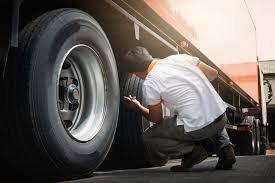

In a fleet that is always on the go, the DOT inspection dates may be viewed as simply another entry in the maintenance schedule. However, while knowing what date the truck passed its inspection is essential, there may be other information in the record that can help fleet managers with their work.
If the records are maintained properly, they can help to find answers to many useful questions. What trucks repeatedly show the same defects? What repairs have been made after the inspection? What trucks are close to the next inspection? What defects occur regularly in the fleet?
For operators using DOT inspection service across Atlanta, GA, keeping better records can make compliance easier while also helping reduce unexpected downtime.
Track More Than the Pass or Fail Result
An indication of pass or fail is simply not enough. The fleet manager needs to know what exactly was being checked and what the result was.
For instance, if the truck passed the inspection and the inspector found out that the brakes were wearing down and one of the tires had a problem, then the information can prove helpful in the future. It doesn’t mean that any repairs are needed right away.
A good inspection record can include:
- Vehicle number or unit ID
- Inspection date
- Inspection type
- Mileage or engine hours
- Inspector or service provider
- Components checked
- Defects found
- Repairs recommended
- Repairs completed
- Parts replaced
- Follow-up date
- Supporting notes or photos
This gives the maintenance team more information to work with than a single inspection date.
Keep a Record of Defects Found
Defects represent some of the most valuable elements on an inspection report. The fleet manager needs to go back through the record and see what went wrong and how it was dealt with afterward.
Consider, for example, a truck that has persistent problems with lights. If the reports only indicate the truck passes its inspection every year, this trend can easily be overlooked. But if every inspection and fix is recorded, then it is easy to recognize.
This is true for brakes, tires, suspension, steering, coupler equipment, exhausts, and many other components that have safety concerns.
OT inspections that Epika Fleet provides include inspections related to brakes, steering and suspension, tires, wheels and rims, lighting, fuels and exhausts, mirrors, safety equipment, and trailer connections. Maintaining logs for these categories may provide insights into the specific needs of each vehicle in the fleet.
Connect Inspections With Repair Records
Inspection records become much more useful when they are connected to repair history.
If an inspection identifies a problem, the next question is simple: Was it fixed?
Fleet managers should be able to trace the issue from inspection to repair. This helps prevent situations where a defect gets written down, but no one follows up.
For example:
Inspection → Defect identified → Repair scheduled → Repair completed → Follow-up inspection
This basic chain creates accountability. It also gives the maintenance team a clear history when the same vehicle comes back for service.
Epika supports inspection and repair services together, including post-repair compliance inspections. This can make it easier to move from identifying a problem to confirming that the vehicle is ready for service.
Record Mileage and Vehicle Usage
Two trucks may have the same inspection date but completely different levels of use.
One truck may spend most of its time on short local routes. Another may travel hundreds of miles every day. Looking only at calendar dates does not show that difference.
Recording mileage or operating hours alongside inspection information gives fleet managers more context. It can help identify vehicles that need closer monitoring because of higher usage.
Route type can matter too. Heavy highway use, frequent stops, construction-site work, and urban delivery routes can all place different demands on commercial vehicles.
The goal is not to create unnecessary paperwork. It is to connect inspection records with how the truck is actually being used.
Track Repeat Problems by Vehicle
A single repair may not mean much. A repeated repair can tell a different story.
Fleet managers should look for patterns such as:
- The same defect appearing during multiple inspections
- Repeated brake or tire problems
- Frequent lighting failures
- Recurring trailer connection issues
- The same repair being performed several times
- Increasing repair costs on one vehicle
This information can help determine whether a truck simply needs another repair or whether a larger maintenance decision needs to be considered.
It can also help maintenance teams prioritize their work instead of treating every vehicle exactly the same.
Keep Inspection Records Easy to Find
A record is only useful if someone can find it when they need it.
Paper files, scattered emails, spreadsheets, and separate repair invoices can make it difficult to build a complete vehicle history. For larger fleets, digital records can make the process much easier.
Each vehicle should ideally have one central history that includes inspection dates, findings, repairs, technician notes, and upcoming requirements.
Epika’s fleet inspection and maintenance services support digital records, inspection history, technician notes, and reporting. This type of organized information can help fleet managers keep track of open items and upcoming maintenance instead of relying on memory or a calendar reminder alone.
Track Follow-Up Work
Another important detail is what still needs to be done.
If an inspection identifies an issue that does not require an immediate out-of-service decision, that does not mean the issue should be forgotten. The record should show whether the repair was scheduled, completed, or still waiting for attention.
A simple status system can help:
Open: Problem identified and waiting for action.
Scheduled: Repair has been assigned a date.
Completed: Repair has been finished.
Verified: Vehicle was checked after the repair.
This gives the maintenance team a quick way to see what needs attention.
Use Records to Prepare for the Next Inspection
The best inspection record is not something that gets filed away and forgotten. It should help prepare the fleet for the next inspection.
Before a vehicle goes through another DOT inspection, managers can review its previous findings and repair history. If the same areas caused trouble before, those components deserve another look.
Epika offers pre-DOT inspection services, annual DOT inspections, trailer inspections, and post-repair compliance inspections. Building these services into a regular maintenance schedule can help fleets address issues before they become bigger operational problems.
Make DOT Records Work for the Fleet
For fleet managers, the goal is straightforward: know what was found, know what was fixed, and know what still needs attention.
For businesses looking for DOT inspection service across Atlanta, GA, organized inspection records can make it easier to manage compliance while keeping maintenance decisions connected to real vehicle history. When inspection information, repair records, mileage, and follow-up work are tracked together, managers have a clearer picture of where their fleet stands.
That means fewer surprises, better planning, and less time spent digging through old paperwork when a truck needs attention.