


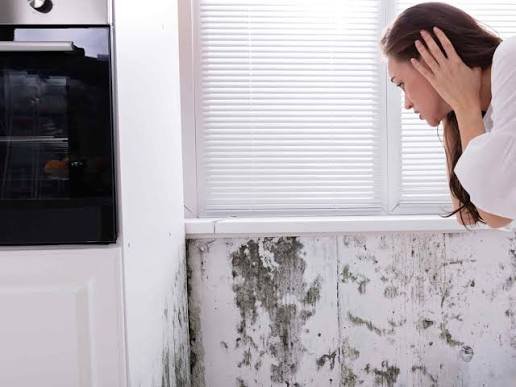

Mold can grow in damp and wet areas of a building. You may find it on walls, ceilings, floors, wood, and other surfaces. If mold is not handled properly, it can spread to other areas. Mold cleanup is more than simply wiping a surface. You need the right equipment to find moisture, remove mold, control dust and particles, and protect workers. That is why professionals use different mold remediation tools during cleanup. The right tools can make the work safer, easier, and more organized. Let’s look at some of the most useful tools for mold cleanup.
Top Mold Remediation Tools for Safe and Effective Cleanup
Moisture Meters
Moisture is one of the main causes of mold growth. A moisture meter helps workers find areas with too much moisture. It can be used on materials such as wood, drywall, and other building surfaces. Finding the source of moisture is very important. If the moisture problem is not fixed, mold may return after cleaning. A moisture meter is, therefore, one of the most useful mold remediation tools for finding wet areas.
HEPA Vacuums
HEPA vacuums are often used during mold cleanup. And, HEPA means High Efficiency Particulate Air. These vacuums are designed to capture very small particles. Professionals may use HEPA vacuums during the final cleanup stage. They can help remove dust and small particles from surfaces after moldy materials have been removed. Using the correct vacuum and filter can help keep the work area cleaner.
Air Scrubbers
Air scrubbers help control particles in the air during cleanup. They pull air through filters and help remove particles before the air is released back into the area or moved through a controlled exhaust system. Air scrubbers can be useful during larger mold projects. When used with proper containment, they can help reduce the movement of mold particles into clean areas.
Respirators
Protecting workers is an important part of mold cleanup. When mold is disturbed, particles can become airborne. Workers may need suitable respiratory protection based on the size and conditions of the job. For smaller areas, an N95 respirator may be suitable when used correctly. Larger jobs may require stronger respiratory protection and trained workers. Respirators must fit properly and be used according to safety requirements.
Gloves and Eye Protection
Gloves and eye protection are simple but important safety items. And, Gloves help protect the skin from mold and cleaning products. Goggles help protect the eyes from dust and airborne particles. Workers should choose protective equipment that is suitable for the type of work they are doing. These basic mold remediation tools help reduce direct contact with mold during cleanup.
Containment Materials
Mold can spread when contaminated materials are moved or disturbed. Containment materials help separate the work area from clean areas. Plastic sheets and tape are often used to create a barrier around the affected space. The level of containment depends on the size and condition of the mold problem. Good containment can help stop mold particles from spreading to other parts of the building.
Wet Vacuums
Wet vacuums can help remove standing water from some surfaces. They are most useful when materials are still wet. Using a wet vacuum on dry mold can spread particles into the air. Wet vacuums should also be used carefully on different materials. They are not suitable for every surface. After use, the vacuum tank and other parts should be cleaned and dried properly. When mold covers a large area or keeps coming back, professional help may be a better choice. Homeowners looking for Mold Removal and Remediation in Norcross can get support from trained professionals who can identify the problem and plan the right cleanup approach.
Cleaning Cloths and Supplies
Not every mold problem requires large machines. Hard surfaces can often be cleaned by wiping or scrubbing with water or water and detergent. The surface should then be dried completely. Microfiber cloths, buckets, brushes, and suitable cleaning products can help with this work. However, some porous materials can be difficult to clean when mold has grown deep inside them. In some cases, these materials may need to be removed.
Heavy Duty Plastic Bags
Some moldy materials cannot be cleaned and may need to be removed. Heavy duty plastic bags can help contain these materials before they are taken out of the work area. Workers should seal contaminated materials carefully. This can help reduce the chance of spreading mold particles to clean areas. Proper handling is an important part of safe mold cleanup.
Read Also: How to Get Rid of Black Mold?
How to Choose the Right Mold Remediation Tools
Not every mold job is the same. Before starting work, professionals should look at the size of the affected area, the type of material, the amount of mold, and the source of moisture. A small job may need basic safety equipment, cleaning supplies, moisture testing, and suitable vacuum equipment. A larger job may need stronger containment, air cleaning equipment, and more advanced protective equipment. The main goal is to find and fix the moisture problem, stop mold from spreading, remove affected materials safely, and clean the area properly.
Why the Right Mold Remediation Tools Matter
The right mold remediation tools can make cleanup safer and easier. Each tool has a different job. A moisture meter can help find wet areas. A HEPA vacuum can help remove small particles during final cleaning. Air scrubbers can help control particles in the air. Gloves, goggles, and respirators can help protect workers. However, tools alone are not enough. Workers also need proper training and must follow safety rules. They should know how to use each tool correctly. Large or serious mold problems may need help from trained professionals. Trying to clean a major mold problem without the right skills can spread mold to other areas. So, those dealing with mold problems in the area can consider professional Mold Removal and Remediation in Gainesville to help remove mold and address the conditions that allow it to grow.
Summary
Safe mold cleanup starts with finding the moisture source and choosing the right tools. Moisture meters, HEPA vacuums, air scrubbers, respirators, gloves, goggles, containment materials, wet vacuums, and cleaning supplies can all help with the job. The best mold remediation tools depend on the size and condition of the affected area. Most importantly, workers should focus on safety, proper cleaning, moisture control, and stopping mold from spreading. For large or difficult mold problems, trained professionals can use the right tools and methods to make cleanup safer and more effective.