




Introduction
The EMI testing procedure is an essential part of product development and electronic equipment compliance. Electromagnetic interference (EMI) occurs when unwanted electromagnetic energy from one electronic device affects the operation of another device. This interference can cause performance problems, communication failures, inaccurate readings, and unexpected equipment behaviour.
Manufacturers conduct EMI testing to identify, measure, and control unwanted electromagnetic emissions before products enter the market. From consumer electronics and industrial machinery to automotive systems and wireless equipment, EMI testing helps ensure that electronic products operate reliably without creating excessive interference for nearby devices.
Understanding the testing process allows manufacturers to identify potential problems early, reduce compliance risks, and prepare products for regulatory approval.
What Is an EMI Testing Procedure?
An EMI testing procedure is a structured process used to measure electromagnetic emissions produced by an electronic product. It determines whether these emissions remain within the limits established by applicable regulatory standards.
The procedure generally involves preparing the device under test (DUT), selecting suitable test equipment, configuring the testing environment, measuring conducted and radiated emissions, and comparing the results against relevant limits.
Depending on the product category and target market, testing may follow standards such as CISPR, FCC Part 15, IEC, or other applicable regulatory requirements.
The main objective is to ensure that a product does not generate electromagnetic interference that could disrupt other electronic equipment.
Step-by-Step EMI Testing Procedure
Although specific requirements vary depending on the product and applicable standards, most EMI testing follows several important stages.
1. Review Product Specifications and Testing Requirements
The first step is understanding the product and identifying the standards that apply to it.
Testing laboratories review important product information, including:
-
Product type and intended application.
-
Operating voltage and current.
-
Electronic components and circuit design.
-
Power supply configuration.
-
Communication interfaces and wireless functions.
-
Target countries and regulatory requirements.
This initial assessment helps determine which EMI tests are necessary and establishes the correct testing limits.
For example, a household electronic device may require different testing standards from industrial control equipment or automotive electronics.
2. Prepare the Device Under Test (DUT)
Before testing begins, the product must be prepared in its normal operating configuration.
The laboratory checks that the device is assembled correctly and that all relevant components, cables, accessories, and power supplies are included.
The DUT should operate under conditions that represent its intended use. This may involve activating different operating modes, running connected accessories, and testing multiple functions.
Proper preparation is important because electromagnetic emissions can change depending on how a device operates.
3. Set Up the Testing Equipment
The next stage involves preparing the instruments needed to measure electromagnetic emissions.
Common EMI testing equipment includes:
-
EMI receiver: Measures electromagnetic signals across specified frequency ranges.
-
Spectrum analyser: Identifies and displays unwanted frequency components.
-
LISN: A line impedance stabilisation network used for conducted emissions testing.
-
Antennas: Detect radiated electromagnetic emissions.
-
RF cables and attenuators: Connect testing instruments and manage signal levels.
-
Test software: Records measurements and supports data analysis.
All equipment should have suitable calibration and meet the requirements of the applicable testing standard.
4. Conduct Conducted Emissions Testing
Conducted emissions testing measures unwanted electrical noise travelling through power or signal cables.
During this process, the DUT is connected to a suitable power source through a LISN. The LISN provides a controlled impedance and helps separate unwanted electrical noise from the normal power supply.
An EMI receiver measures the emissions conducted through the power connection across the required frequency range.
The laboratory compares the measured results against the applicable conducted emissions limits.
If emissions exceed permitted levels, engineers may investigate potential solutions such as improved grounding, filtering components, shielding, or better circuit layouts.
5. Perform Radiated Emissions Testing
Radiated emissions testing identifies electromagnetic energy transmitted through the air by an electronic device.
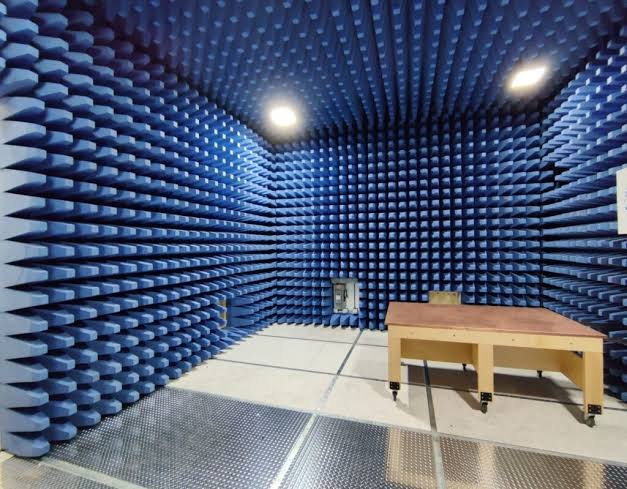
This testing is commonly performed in a semi-anechoic chamber, fully anechoic chamber, or another compliant test environment.
The DUT is positioned on a test table, and measurement antennas are placed at specified distances.
During testing, the laboratory may:
-
Operate the product in representative operating modes.
-
Measure emissions across the required frequency range.
-
Adjust antenna height and polarisation.
-
Rotate the test table to identify maximum emissions.
-
Record the highest measured signal levels.
-
Compare the results with applicable regulatory limits.
Radiated emissions testing is particularly important for products containing processors, switching power supplies, digital circuits, and high-frequency components.
6. Analyse and Compare Test Results
After conducting the required measurements, engineers analyse the collected data.
They compare measured emissions against the limits established by the relevant standards.
Results are typically evaluated in terms of frequency, signal amplitude, measurement bandwidth, and detector requirements.
If the product passes all applicable tests, it may proceed to the next stage of compliance assessment.
If it fails, engineers identify the frequencies responsible for excessive emissions and investigate their possible sources.
7. Troubleshoot and Improve Product Design
When a product fails EMI testing, corrective action is necessary before retesting.
Common EMI reduction techniques include:
-
Installing suitable EMI filters.
-
Improving PCB layout and component placement.
-
Adding shielding to sensitive electronic circuits.
-
Improving grounding and bonding.
-
Using properly shielded cables.
-
Reducing unwanted switching noise.
-
Improving enclosure design.
Engineers should identify the actual interference source before implementing changes. This helps prevent unnecessary modifications and reduces development costs.
8. Complete Final Testing and Documentation
Once corrective changes have been implemented, the product undergoes additional testing to confirm that the issues have been resolved.
The laboratory prepares a test report containing relevant product information, testing methods, equipment details, measurement results, and compliance findings.
This documentation provides evidence of the testing performed and supports the manufacturer’s regulatory compliance process.
Why Is EMI Testing Important?
EMI testing offers several important benefits for manufacturers and electronic product developers.
Regulatory compliance: Testing helps manufacturers demonstrate that their products meet applicable electromagnetic emissions requirements in their intended markets.
Product reliability: Identifying excessive electromagnetic emissions reduces the risk of interference with nearby electronic devices.
Improved product performance: EMI testing highlights design weaknesses that could affect the normal operation of electronic equipment.
Reduced development costs: Identifying interference problems early can prevent expensive redesigns, production delays, and repeated compliance testing.
Market readiness: Appropriate testing and documentation help manufacturers prepare products for commercial distribution.
Common Standards Used in EMI Testing
Different products and markets require different electromagnetic compatibility standards.
Some commonly referenced standards and regulations include:
-
FCC Part 15: Covers applicable radio-frequency emissions requirements for electronic devices marketed in the United States.
-
CISPR 32: Addresses electromagnetic emissions from multimedia equipment.
-
CISPR 11: Covers industrial, scientific, and medical equipment.
-
CISPR 25: Addresses radio disturbance characteristics for vehicle components and protection of on-board receivers.
-
IEC 61000 series: Includes standards covering various electromagnetic compatibility requirements and test methods.
The correct standard depends on the product’s classification, operating characteristics, and target market.
Conclusion
A properly conducted EMI testing procedure helps manufacturers identify unwanted electromagnetic emissions, improve product designs, and demonstrate compliance with applicable regulatory requirements. From initial product preparation and equipment setup to conducted emissions, radiated emissions, troubleshooting, and final reporting, every stage plays an important role in achieving reliable results.
Working with an experienced EMI testing laboratory can help businesses identify potential compliance issues early, reduce product development risks, and bring reliable electronic products to market with greater confidence.
Frequently Asked Questions (FAQs)
1. How long does EMI testing take?
EMI testing duration depends on product complexity, applicable standards, operating modes, and whether the product passes its initial tests. Straightforward assessments may take a few days, while more complex projects can take longer.
2. What equipment is used for EMI testing?
Common equipment includes EMI receivers, spectrum analysers, LISNs, measurement antennas, RF cables, and specialised testing software.
3. What is the difference between conducted and radiated EMI testing?
Conducted EMI testing measures unwanted electrical noise travelling through cables, while radiated EMI testing measures electromagnetic energy transmitted through the air.
4. What happens if a product fails EMI testing?
Engineers identify the source of excessive emissions, implement corrective design changes, and repeat the relevant tests to verify compliance.
5. Is EMI testing required for all electronic products?
Requirements depend on the product category, intended market, and applicable regulations. Many electronic products must meet relevant electromagnetic emissions requirements before they can legally be marketed.


