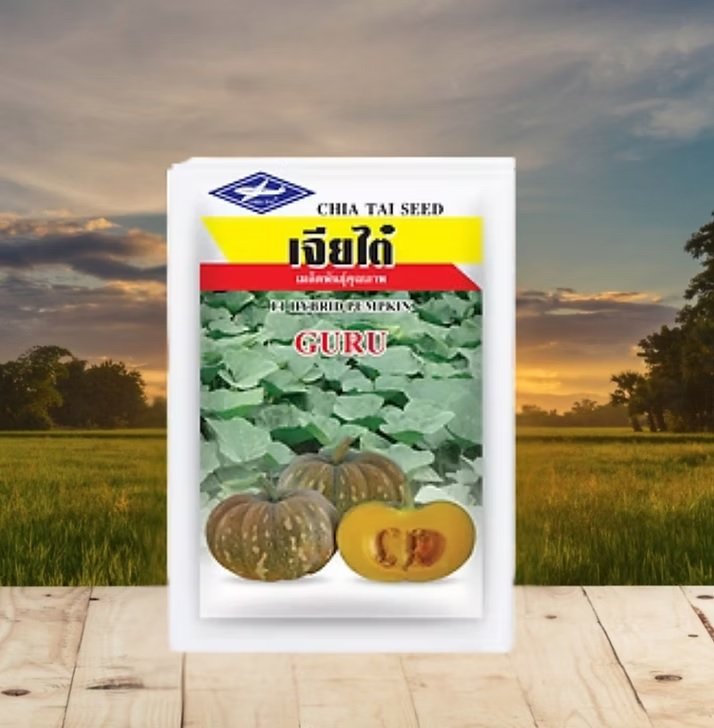

Pumpkin farming is an important part of vegetable cultivation in India. From local vegetable markets to grocery stores and food businesses, pumpkins are used in many ways because of their versatility and nutritional value. Farmers who want to grow pumpkins need to consider several factors before starting cultivation, and selecting the right seed variety is one of the most important decisions. F1 hybrid pumpkin seeds offer growers different options for planning their crops according to regional conditions and market requirements.
Today, farmers have access to various pumpkin seed varieties with different plant and fruit characteristics. Understanding these options can help growers make suitable choices and organise their farming activities more effectively.
The Role of Seed Selection in Pumpkin Farming
Seeds are the starting point of every successful crop. The variety selected by a farmer can influence important characteristics such as plant growth, fruit shape, fruit colour, and maturity period. F1 hybrids are developed by crossing selected parent lines to combine specific characteristics in the resulting plants.
Different hybrid pumpkin varieties may be developed for different cultivation conditions and market preferences. Therefore, farmers should not select seeds only by looking at the product name or price. They should carefully review the variety information and check whether it matches their farming needs.
What Farmers Should Know About Hybrid Pumpkin Varieties
Hybrid pumpkin varieties provide growers with more choices when planning vegetable production. Depending on the particular variety, farmers may find differences in several characteristics.
Fruit Shape and Appearance: Pumpkin varieties can differ in their shape, colour, size, and external appearance. These features may influence their suitability for particular markets.
Plant Growth: Different hybrids can have different growth habits. Knowing the expected plant development helps farmers plan field space and cultivation practices.
Harvesting Period: The maturity period may vary from one variety to another. Farmers should consider the information provided by the seed supplier when planning their sowing and harvesting schedule.
Market Preferences: Local buyers may prefer pumpkins with specific sizes or appearances. Understanding these preferences before selecting seeds can support better production planning.
Regional Suitability: Weather, soil type, and growing season are important considerations. A variety should be selected according to its recommended cultivation conditions.
How to Choose Suitable F1 Hybrid Pumpkin Seeds
Before purchasing seeds, farmers should collect the necessary information about the available varieties. A little research can help avoid selecting a product that does not match the intended growing conditions.
Here are some important points to check:
- Read the complete product description and variety details.
- Check the recommended sowing season and regional suitability.
- Understand the fruit characteristics mentioned by the supplier.
- Review the seed packaging, batch details, and germination information.
- Consider the soil and irrigation facilities available on the farm.
- Study local market demand before deciding the cultivation area.
- Purchase seeds from a dependable agricultural supplier.
These considerations can help growers make more informed purchasing decisions.
Preparing the Field Before Sowing
Proper field preparation creates a suitable environment for pumpkin cultivation. Farmers should select a location that receives adequate sunlight and has good drainage. The soil should be prepared according to its condition, and organic matter can be added where required.
Sowing depth and spacing should follow the recommendations for the selected variety. Providing sufficient space between plants helps with field operations and allows the crop to develop according to its growth habit.
Farmers should also plan irrigation facilities before sowing. Consistent moisture management is important, but waterlogging should be avoided because excessive moisture can affect root health.
Crop Care After Germination
After seedlings emerge, regular observation becomes important. Farmers should monitor plant development and check the field for weeds, insects, and disease symptoms. Early identification of crop problems can make management easier.
Nutrient requirements should be assessed according to soil conditions and crop growth stages. Applying fertilisers without considering actual requirements may lead to unnecessary expenses or nutrient imbalance. Soil testing and local agricultural guidance can help farmers prepare a suitable nutrient management plan.
Irrigation should also be adjusted according to rainfall, temperature, soil moisture, and plant requirements. Good field management throughout the growing season supports a more organised cultivation process.
Finding a Suitable Seed Supplier
A reliable supplier can make the seed selection process easier by providing clear product information and properly labelled packaging. Farmers should compare available varieties and understand their characteristics before placing an order.
Hindustan Seeds & Pesticides provides an online platform where farmers and agricultural buyers can explore different vegetable seed categories. Those interested in pumpkin cultivation can visit the F1 hybrid pumpkin seeds section to learn more about the available product information.
The website also features seed categories for crops such as tomato, cucumber, and watermelon, helping visitors explore options for different vegetable cultivation requirements.
Understanding Market Demand Before Cultivation
Good farming decisions involve more than choosing seeds. Farmers should also understand where their harvested pumpkins may be sold. Local vegetable markets, wholesalers, retailers, and food businesses can have different purchasing preferences.
Before beginning large-scale cultivation, growers should consider expected demand, transportation arrangements, harvesting schedules, and market prices. Planning these factors in advance can help reduce uncertainty during the selling process.
Conclusion
Modern pumpkin farming requires careful attention to seed selection, field preparation, and regular crop management. F1 hybrid pumpkin seeds give farmers different variety options based on fruit characteristics, plant growth, and cultivation requirements. By reviewing product information and selecting seeds according to local conditions, growers can make more informed decisions for their farms.
Hindustan Seeds & Pesticides offers an online platform for exploring pumpkin and other vegetable seed categories. Visit https://www.hindustanseedsandpesticides.com/ to discover available seed options and learn more about products for your agricultural needs.