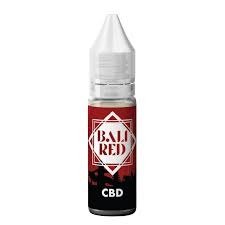

CBD oil e juice is a commonly searched term within the hemp-derived product industry. As interest in cannabidiol (CBD) continues to grow, consumers are increasingly researching different CBD formulations, ingredients, and product categories. CBD is a naturally occurring compound found in hemp plants. It is different from THC, which is primarily responsible for the intoxicating effects associated with cannabis.
Understanding CBD oil e juice starts with knowing the difference between CBD products intended for inhalation and traditional CBD oils designed for oral use. E-juice formulations are marketed for compatible vaping devices, whereas CBD tinctures are generally intended for oral application. These products are not interchangeable, and consumers should always check the intended use and product labeling.
One important factor when researching CBD e juice is its formulation. Different manufacturers may use CBD isolate, broad-spectrum CBD, or full-spectrum hemp extracts. CBD isolate contains highly purified cannabidiol, while broad-spectrum formulations contain selected hemp compounds with THC removed. Full-spectrum formulations may contain multiple naturally occurring hemp compounds, including legally permitted amounts of THC.
Ingredients are another important consideration. Product compositions can vary between manufacturers, making ingredient transparency essential. Consumers should carefully review labels and avoid assuming that ingredients suitable for eating are also safe to inhale. Some substances can create respiratory risks when heated and inhaled. CBD vaping has not been established as a safe or effective wellness practice.
Product quality also deserves attention. Independent third-party laboratory testing can provide useful information about cannabinoid concentrations and potential contaminants. Reliable manufacturers should make laboratory reports accessible and provide clear details about their ingredients, production processes, and batch information.
CBD concentration is generally displayed in milligrams. For example, a label showing 500mg of CBD usually represents the total stated cannabidiol content in the product. Understanding these measurements helps readers interpret product descriptions accurately. However, a higher CBD concentration does not automatically mean better quality or safety.
The CBD marketplace includes different product categories and formulations. Some products are advertised with fruit-inspired or mint-inspired flavor descriptions, while others focus on hemp extract composition and cannabinoid content. Regardless of the product category, accurate labeling and transparent ingredient information should remain priorities.
When researching CBD oil e juice, consumers should also consider responsible product marketing. CBD should not be presented as a guaranteed treatment for medical conditions or as a proven solution for sleep, stress, or pain. Research into CBD’s potential applications is ongoing, and marketing claims should be distinguished from established scientific evidence.
People taking prescription medications should consult a qualified healthcare professional before using CBD because it can interact with certain medicines. Pregnant or breastfeeding individuals should avoid CBD products. Consumers should also check applicable local regulations regarding hemp-derived CBD and THC.
Choosing a trustworthy CBD brand involves checking several important details, including complete ingredient lists, independent laboratory reports, accurate cannabinoid labeling, and transparent manufacturing information. Products with unclear compositions or exaggerated health claims should be approached cautiously. Traditional oral CBD oils should never be used in vaping devices.
The hemp industry continues to evolve as consumers become more interested in ingredient transparency, product information, and manufacturing standards. Businesses that focus on responsible descriptions and reliable testing can help readers better understand the differences between CBD product categories.
In conclusion, CBD oil e juice is a search term associated with a particular category of hemp-derived products. Learning about its formulations, ingredients, concentration information, testing standards, and potential respiratory risks helps consumers develop a clearer understanding of the CBD marketplace. Accurate product information, responsible marketing, and safety awareness should always remain important considerations when researching hemp-derived products.