
Watermelon is one of the most popular summer fruits, enjoyed for its refreshing taste, juicy texture, and natural sweetness. Farmers looking to improve their watermelon cultivation often focus on selecting suitable seeds, preparing the soil properly, and following effective crop management practices. Choosing the right seeds is an important first step toward achieving a healthy crop and a productive harvest.
Understanding F1 Watermelon Seeds
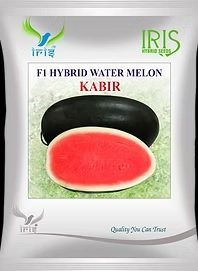
F1 Watermelon Seeds are produced by crossing two selected parent lines to develop a first-generation hybrid. These seeds are developed with specific characteristics in mind, such as plant growth, fruit quality, uniformity, and adaptability to suitable growing conditions.
Hybrid watermelon varieties may offer benefits like consistent fruit development, attractive appearance, and good market potential when cultivated under appropriate conditions. However, their performance depends on the variety, climate, soil quality, and farming practices.
Benefits of Choosing Hybrid Watermelon Seeds
Selecting quality hybrid seeds can help farmers establish a promising watermelon crop. Many hybrid varieties are developed to provide desirable fruit characteristics and reliable field performance.
Some potential advantages include:
- Uniform fruit size and shape, depending on the variety
- Attractive rind and flesh characteristics
- Good fruit quality for fresh market demand
- Vigorous plant growth under suitable conditions
- Improved consistency in crop production
- Better suitability for commercial cultivation when matched to local conditions
Farmers should always review the characteristics of a particular hybrid before selecting it for their fields.
Suitable Soil and Climate for Watermelon Cultivation
Watermelon grows well in warm weather and requires sufficient sunlight throughout the growing season. The crop performs best in well-drained sandy loam or loamy soil with good organic matter.
Before sowing, farmers should prepare the field by removing weeds, breaking soil clods, and creating a suitable seedbed. Proper drainage is essential because waterlogging can negatively affect root development and plant health.
Soil testing can help determine the nutrient requirements of the field. Applying compost or well-decomposed organic manure may improve soil structure and support healthy crop establishment.
Important Steps for Sowing Watermelon Seeds
Proper sowing practices help create favorable conditions for germination and early plant growth. Farmers should follow the recommended sowing depth, spacing, and planting method for their selected hybrid.
Seeds are generally sown directly into prepared beds or planting pits. Adequate spacing allows vines to spread and improves air circulation around the plants.
During the early growth stage, maintaining suitable soil moisture is important. Excessive irrigation should be avoided, especially in poorly drained fields. Farmers should also monitor germination and remove weeds that compete with young plants for nutrients and water.
Crop Management for Healthy Plant Growth
Good crop management plays an important role in watermelon production. Irrigation should be adjusted according to soil conditions, weather, and the growth stage of the crop.
Water requirements may increase during flowering and fruit development. However, excessive watering can lead to problems in plant growth and fruit quality.
Balanced fertilizer application supports healthy vines and fruit development. Nitrogen, phosphorus, potassium, and other nutrients should be supplied according to soil test results and crop requirements.
Regular field monitoring helps farmers identify pests, diseases, and nutrient deficiencies at an early stage. Using suitable crop protection practices and maintaining field hygiene can help reduce crop losses.
Improving Watermelon Fruit Quality
Fruit quality is influenced by seed selection, environmental conditions, irrigation, and crop management. Farmers should provide consistent care throughout the growing season.
Avoiding sudden changes in soil moisture can help reduce certain fruit quality problems. Proper nutrition and healthy plant growth also contribute to better fruit development.
Harvesting should be carried out at the appropriate maturity stage. Farmers can observe variety-specific maturity indicators, including changes in fruit appearance and the condition of the tendril near the fruit.
Choosing the Right F1 Watermelon Seeds
Before purchasing seeds, farmers should consider their local climate, soil type, irrigation facilities, and market preferences. It is also useful to review the expected fruit size, maturity period, and other characteristics of the hybrid.
Buying seeds from a reliable seed supplier and following the instructions printed on the seed packet can support better crop planning.
F1 Watermelon Seeds can be a suitable option for farmers seeking hybrid watermelon varieties for commercial cultivation. With proper seed selection, field preparation, irrigation, and crop management, farmers can work toward healthy plants and quality fruit production.
Conclusion
Successful watermelon farming begins with informed seed selection and continues through careful crop management. Choosing a suitable hybrid, maintaining proper soil moisture, providing balanced nutrition, and harvesting at the right stage can help farmers achieve better cultivation results. By combining quality seeds with recommended agricultural practices, growers can make watermelon production more efficient and productive.
For more information about hybrid seeds and agricultural solutions, visit a trusted seed supplier and explore varieties suitable for your farming needs.