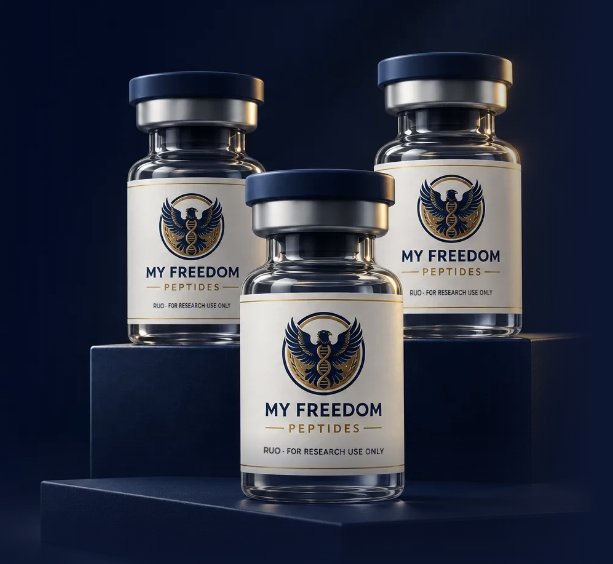

Accurate product documentation is an important part of responsible laboratory research. Researchers looking for COA verified peptides may want to understand what a Certificate of Analysis contains, how batch-specific testing works, and why analytical reports are useful when evaluating research materials.
What Is a Certificate of Analysis?
A Certificate of Analysis, commonly called a COA, is a document that records analytical information about a particular product sample or batch.
It can provide details about the material’s identity, purity, and other tested characteristics.
For laboratory researchers, a COA can help explain what was tested and which results were reported.
However, the value of a certificate depends on the methods used, the sample tested, and the specific results documented.
Why COA Documentation Matters
Research materials should be evaluated using available analytical information.
A product description may provide general specifications, but a batch-specific COA can offer additional information about the tested material.
Researchers can use this documentation to review product identity, reported purity, and other relevant measurements.
Maintaining copies of analytical reports also helps laboratories organise their inventory records.
What Information Can a COA Include?
A Certificate of Analysis may contain several important details:
Product Identity: Identifies the material that was tested.
Batch Number: Connects the report to a particular production lot.
Purity Results: Provides the reported purity measurement based on the analytical method.
Testing Methods: Identifies the laboratory techniques used.
Net Content: May report information about the amount of material tested.
Additional Measurements: May include other tests depending on the product and testing programme.
Researchers should review the actual report rather than assuming that every COA contains identical information.
Understanding Different Analytical Tests
My Freedom Peptides identifies several categories of third-party testing in its published COA information.
Purity Testing
Purity testing measures the relative amount of the target compound in a sample according to a specified analytical method.
Identity Testing
Identity testing helps evaluate whether the material corresponds to the compound identified in the product listing.
Net Content Testing
Net content testing provides information about the amount of material present in the product.
Endotoxin Testing
Endotoxin testing evaluates bacterial endotoxin levels under the conditions of the relevant analytical method.
Heavy Metal Testing
Heavy metal testing provides information about selected metallic contaminants. The supplier identifies this testing for selected batches.
Sterility Testing
Sterility testing evaluates microbial contamination according to the specific test conditions. The supplier identifies these results for selected batches.
The company’s website explains that routine tests are available on COAs for nearly every listed product, while some testing categories apply only to selected batches.
How to Review a COA Correctly
Researchers should follow a systematic approach when reviewing analytical documentation.
First, confirm that the product name matches the material being evaluated.
Second, check the batch or lot number to establish that the report corresponds to the relevant material.
Third, review the analytical methods and reported results.
Fourth, understand which testing categories are included and which are not.
Finally, retain the certificate with the laboratory’s procurement and inventory records.
This process helps avoid assumptions about results that are not actually documented.
My Freedom Peptides and Published COA Information
My Freedom Peptides provides a publicly accessible COA library and product-level analytical documentation.
The company describes its products as research peptides with independent laboratory verification.
Its website also identifies U.S. manufacturing and highlights published purity and identity information.
Researchers can use the available documentation to review the specific results reported for individual products and batches.
COA Verification and Product Quality
A COA is a useful tool for evaluating laboratory materials, but it should not be treated as a universal guarantee.
A purity result does not automatically establish sterility, stability, regulatory approval, or suitability for every research application.
Similarly, a COA does not independently establish GMP certification.
Researchers should interpret each document according to its actual contents and testing limitations.
Research-Only Restrictions
My Freedom Peptides products are intended strictly for laboratory, analytical, and scientific research. They are not intended for human or veterinary consumption, administration, diagnosis, or therapeutic use.
Only qualified research personnel should handle the materials under applicable laboratory safety procedures.
Conclusion
COA verified peptides can be evaluated through batch-specific analytical documentation that provides information about identity, purity, and other tested characteristics.
Reviewing the complete Certificate of Analysis, confirming batch identification, and understanding testing limitations are important steps in responsible laboratory sourcing.
Accurate documentation supports material traceability and helps researchers make informed decisions about laboratory research compounds.