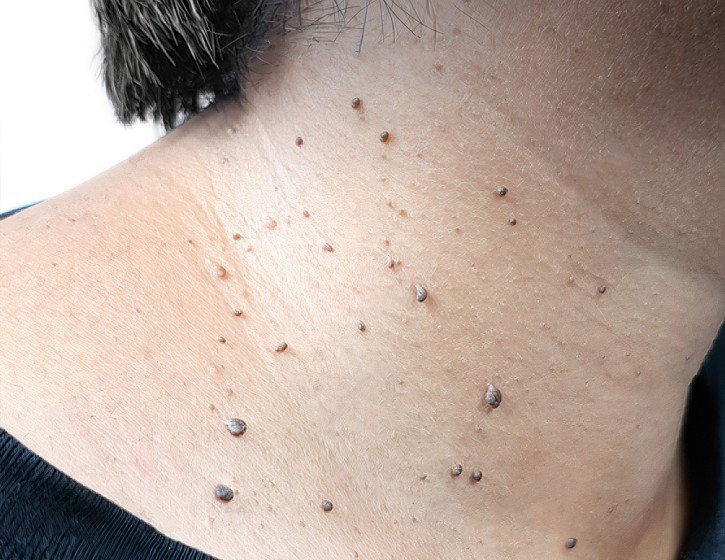

Skin tags are small, soft growths that commonly develop on areas of the body where skin rubs against skin or clothing. Although they are usually harmless, their location can influence how they are assessed and managed. Skin tags around the eyelids, neck folds, underarms, groin and other delicate areas may cause discomfort, irritation or concerns about appearance. Before considering removal, it is important to establish whether the growth is genuinely a skin tag and determine the most appropriate approach for the individual.
When considering Skin Tag Removal in London, patients may have questions about how clinicians assess growths in sensitive areas, what happens during an initial consultation and which factors influence treatment decisions. A careful evaluation helps distinguish typical skin tags from other skin conditions and ensures that the proposed approach reflects the location, size and characteristics of the growth.
This article explores how skin tags in sensitive areas are evaluated, why a professional assessment matters and what patients can expect when discussing treatment options.
What Are Skin Tags and Why Do They Develop in Sensitive Areas?
Skin tags, medically known as acrochordons, are small, benign growths that usually consist of soft skin tissue attached to the surrounding surface by a narrow stalk or broader base. They are commonly flesh-coloured, although some appear slightly darker than the surrounding skin.
These growths frequently develop in areas where friction occurs. The neck, armpits, groin, eyelids and skin folds are particularly common locations because the skin in these regions may experience repeated contact with clothing, jewellery or neighbouring skin.
Several factors may contribute to their development, including age, genetic predisposition, hormonal changes and friction. Some people develop only one or two skin tags, while others notice several appearing over time.
The location of a skin tag does not necessarily indicate that it is more serious. However, sensitive areas require additional consideration because the surrounding skin may be delicate, movement can increase irritation, and certain locations demand greater precision during examination and treatment planning.
Why Do Skin Tags in Sensitive Areas Need Careful Evaluation?
Skin tags in delicate locations are assessed with particular attention to their appearance, position and effect on everyday activities. A growth near the eyelid, for example, requires a different assessment from one located beneath the arm.
The primary objective is to confirm the nature of the growth before discussing removal. Several other skin conditions can resemble skin tags, including warts, moles and certain benign or, less commonly, concerning skin lesions. A growth that changes noticeably or does not have the typical appearance of a skin tag should not automatically be treated as one.
During an assessment, the clinician may consider whether the growth catches on clothing, becomes irritated during washing, affects comfort or causes difficulty with routine grooming. Its proximity to the eyes, genital region or other delicate structures can also influence which treatment options are appropriate.
A personalised assessment helps ensure that the decision to remove a skin tag is based on its clinical characteristics rather than appearance alone.
How Are Skin Tags Evaluated During a Clinical Consultation?
An initial consultation generally involves reviewing the patient’s concerns, examining the affected area and deciding whether further assessment is necessary.
Reviewing the Patient’s Concerns and Medical History
The evaluation often begins with a discussion about when the skin tag first appeared, whether it has changed and whether it causes any symptoms. Patients may explain that the growth catches on clothing, becomes sore after friction or affects their confidence.
The clinician may also ask about previous skin conditions, existing medical concerns, medications and any history of similar growths. This information can help establish the context of the skin concern and identify factors that may influence treatment planning.
Patients should mention any recent changes in the growth, including bleeding, persistent discomfort, rapid enlargement or changes in colour. These details can help determine whether a routine removal consultation is appropriate or whether additional investigation should take priority.
Examining the Size, Shape and Surface
The physical examination focuses on the growth’s visible characteristics. A typical skin tag is soft, small and often attached to the skin by a narrow stalk. Its surface and colour are usually relatively consistent with the surrounding skin, although variations are possible.
The clinician may examine the size, shape, attachment point and texture, alongside the appearance of the surrounding tissue. These features help determine whether the growth is consistent with a skin tag.
The number of growths is also relevant. Multiple similar lesions in common friction areas may present differently from a single unusual growth. Nevertheless, appearance alone cannot always establish a definitive diagnosis.
If the lesion has atypical features or its identity remains uncertain, the clinician may recommend further assessment rather than proceeding directly with removal.
How Does the Location Affect the Assessment?
The exact location is one of the most important considerations when evaluating a skin tag in a sensitive area. Different parts of the body have different skin characteristics, levels of movement and proximity to important structures.
Skin Tags Around the Eyelids
The skin surrounding the eyes is thin and delicate. A small growth in this area may become noticeable during blinking, interfere with the application of cosmetics or cause irritation when rubbed.
An assessment considers the growth’s distance from the eyelid margin, its attachment point and its relationship to the eye itself. Clinicians must also determine whether the lesion is genuinely a skin tag or another type of eyelid growth.
Because of the delicate anatomy, removal around the eyes requires particular care. Depending on the location and the clinician’s scope of practice, specialist assessment may be appropriate.
Skin Tags on the Neck and Underarms
Skin tags around the neck and underarms frequently experience friction from collars, jewellery, shaving or arm movement. These factors can cause repeated irritation and make otherwise harmless growths uncomfortable.
During the examination, the clinician considers whether the lesion is attached by a narrow stalk, whether surrounding skin is inflamed and whether the growth’s position makes everyday activities difficult.
The assessment may also identify whether several growths are present and whether each has a typical appearance. If a lesion looks different from the others, it should be evaluated individually rather than assumed to be the same condition.
Skin Tags in the Groin and Other Intimate Areas
Growths around the groin and other intimate areas may cause concern because of their location, friction from clothing and potential discomfort during physical activity.
A clinical assessment should distinguish skin tags from other conditions that can occur in these areas, including genital warts and other skin lesions. The clinician may ask about symptoms, changes over time and relevant medical history before determining the next step.
Patients should feel comfortable discussing sensitive concerns in a professional setting. The assessment should be conducted respectfully, with an explanation of the examination and appropriate privacy.
Because the skin in intimate areas can be particularly delicate, not every removal method is suitable for every location. Referral to an appropriate specialist may be recommended when the diagnosis is uncertain or the location requires additional expertise.
What Signs May Require Further Investigation?
Most typical skin tags are harmless, but certain changes mean that a growth should be assessed before removal.
Features that warrant further evaluation include:
- Rapid or unexplained enlargement.
- Spontaneous or repeated bleeding.
- Persistent pain or tenderness.
- Noticeable changes in colour, shape or surface.
- Ulceration, crusting or a wound that does not heal.
- An unusual appearance or uncertainty about whether the growth is a skin tag.
These features do not automatically mean that a lesion is serious. However, they should not be ignored or managed through self-removal.
Depending on the findings, the clinician may recommend dermoscopic examination, specialist review or a biopsy. A biopsy involves taking a tissue sample for laboratory examination when clarification of the diagnosis is necessary.
The important principle is that a growth should be correctly identified before a removal procedure is selected.
How Is a Suitable Skin Tag Treatment Selected?
Once the clinician is satisfied that the lesion is a skin tag and removal is appropriate, the available options can be discussed. The choice depends on the size and attachment of the growth, its location, the surrounding skin and the clinician’s assessment.
Considering the Size and Attachment
Small skin tags with a narrow attachment may be suitable for a relatively straightforward procedure. Larger growths or those with a broader base may require a different approach.
The clinician also considers whether the growth sits in a location where precise control is particularly important. A technique suitable for a skin tag on the torso may not be appropriate near the eyelid or in an intimate area.
Assessing the Surrounding Skin
The condition of the surrounding skin can influence treatment planning. Areas affected by irritation, inflammation or friction may need to be assessed carefully before proceeding.
Skin tone, healing history and the likelihood of a visible mark may also form part of the discussion. Patients can explain their cosmetic concerns and ask what outcome is realistically expected.
Discussing Appropriate Removal Methods
Depending on the lesion and its location, a clinician may consider methods such as sterile snip removal, cautery or cryotherapy. Not every method is appropriate for every skin tag, and availability varies between providers.
Snip removal involves carefully removing the growth using a suitable sterile instrument. Cautery uses controlled heat to remove or treat selected tissue, while cryotherapy uses freezing to treat certain lesions.
For sensitive areas, the clinician must consider whether the chosen method allows suitable precision and whether the procedure falls within their expertise. Some lesions may be better managed by a specialist, particularly when they are close to the eye or located in a delicate anatomical region.
The consultation should explain the recommended approach, expected healing process and any necessary aftercare.
What Should Patients Expect Before and After Removal?
Before treatment, patients should receive an explanation of the procedure and instructions relevant to the selected method. They should tell the clinician about their medical history, medications, allergies and any previous difficulties with wound healing.
It is also helpful to ask whether the lesion will be examined further if its appearance is uncertain and whether a tissue sample may be required.
After removal, care instructions depend on the technique and the area treated. Patients may be advised to keep the site clean, avoid unnecessary rubbing and follow guidance about dressings or topical products.
Sensitive areas may need additional attention because movement, moisture and friction can affect comfort during healing. Patients should follow the specific instructions provided by their treating clinician rather than applying unadvised home remedies.
If the treated area develops increasing redness, swelling, discharge, persistent pain or bleeding, medical advice should be sought. Any unexpected change in the healing process deserves appropriate attention.
Choosing a Skin Tag Removal Clinic in London
When researching Skin Tag Treatment London, patients should look for a provider that prioritises accurate assessment, clear communication and appropriate treatment planning.
A suitable clinic should explain how the diagnosis is established, what removal options are available and when referral or further investigation may be necessary. Patients should also feel able to discuss sensitive locations without embarrassment.
When comparing a Skin Tag Removal Clinic London, consider the clinician’s relevant qualifications, experience with the affected area, consultation process and aftercare arrangements. It is useful to ask whether the clinic assesses unusual lesions before removal and explains the limitations of each technique.
The best approach is not necessarily the quickest procedure. It is one that reflects the individual characteristics of the growth, recognises the needs of the affected area and prioritises appropriate clinical judgement.
Patients should avoid attempting to cut, tie off, burn or freeze skin tags at home, especially in delicate locations. Home removal can lead to bleeding, infection, irritation or an incorrect assumption about the nature of the growth.
Conclusion
Skin tags in sensitive areas require a careful, individualised assessment before treatment is considered. Although most skin tags are harmless, their location near the eyes, in the groin, around the underarms or within skin folds can influence the examination and the choice of removal method.
A clinical evaluation typically considers the growth’s size, shape, attachment, symptoms and history, together with the condition of the surrounding skin. Unusual changes or uncertainty about the diagnosis may require further investigation before any procedure takes place.
For people exploring Skin Tag Removal in London, a professional consultation provides an opportunity to understand the nature of the growth, discuss suitable options and receive guidance on aftercare. By prioritising accurate diagnosis and location-specific treatment planning, patients can make informed decisions about managing skin tags safely and appropriately.
Frequently Asked Questions
1. Why do skin tags in sensitive areas need a professional assessment?
Sensitive areas often have delicate skin or lie close to important anatomical structures. A professional assessment helps confirm that the growth is a skin tag and establishes which treatment options are suitable for its location.
2. Can skin tags around the eyes be removed?
Some eyelid skin tags can be removed, but the location requires particular precision. The clinician will assess the growth’s proximity to the eye and determine whether removal is appropriate or whether specialist care is needed.
3. How can a clinician distinguish a skin tag from another skin growth?
The clinician examines the lesion’s size, shape, texture, colour and attachment point, while considering its history and symptoms. If the diagnosis remains uncertain, further examination or a biopsy may be recommended.
4. Are skin tags in the groin always harmless?
Typical skin tags are benign, but other growths can occur in the groin and may look similar. A clinical assessment is advisable, particularly if the lesion is new, changing, painful or unusual in appearance.
5. What happens during a skin tag removal consultation?
The clinician discusses the patient’s concerns and medical history, examines the growth and assesses its location. If it appears to be a skin tag and removal is appropriate, suitable methods and aftercare can then be discussed.
6. Which removal method is best for sensitive areas?
There is no single method that is best for every patient. The choice depends on the growth’s characteristics, its exact location, the surrounding skin and the clinician’s expertise.
7. Should a skin tag be removed if it starts bleeding?
A skin tag that bleeds repeatedly or without an obvious cause should be assessed before removal. Bleeding can result from friction, but it is important to confirm the diagnosis and determine whether further investigation is needed.
8. Can patients remove skin tags at home?
Home removal is not recommended, particularly for growths in sensitive areas. Cutting, tying or applying chemicals can damage the skin, cause bleeding or infection and delay the diagnosis of a different skin condition.
9. How long does the skin take to heal after removal?
Healing time varies according to the removal method, the size of the treated area and its location. Patients should follow their clinician’s aftercare instructions and seek advice if healing is delayed or unexpected symptoms develop.
10. What should patients look for when choosing a skin tag removal clinic in London?
Patients should consider the clinician’s qualifications and relevant experience, the quality of the assessment, the suitability of available techniques and the clarity of aftercare guidance. A clinic should also recognise when a lesion requires further investigation or specialist referral before removal.