



Introduction
Mustard oil for cooking has a distinctive place in traditional South Asian food culture. Its sharp aroma, rich flavor, and versatility make it suitable for many everyday recipes, including curries, stir-fries, marinades, and pickles. While some people choose it for its traditional character, others appreciate the strong flavor it brings to food. Understanding its source, processing, cooking applications, and storage can help households use it more thoughtfully.
Understanding the Oil
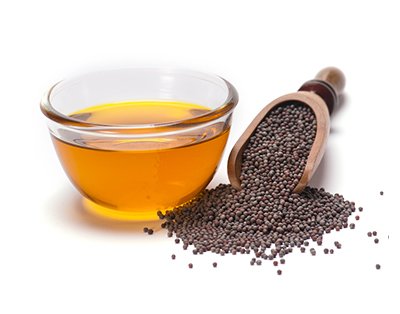
Mustard oil is produced from the seeds of mustard plants, which belong to the Brassicaceae family. Several mustard varieties can be used for oil production, and differences in seed type, cultivation conditions, and processing can influence the final product.
Fresh mustard oil generally has a strong, pungent aroma. When heated, its sharpness can become less intense, leaving behind a deeper flavor that works particularly well with spices and savory ingredients.
The appearance can also vary according to the seed and processing method. Color alone, however, should not be considered a reliable measure of quality.
Traditional Uses in the Kitchen
Mustard oil has been used in regional cooking for generations. It can be used for sautéing vegetables, preparing curries, frying ingredients, making marinades, and preserving certain foods through pickling.
One reason mustard oil for cooking remains popular is its ability to complement bold ingredients. Garlic, ginger, chilies, cumin, turmeric, and other spices can work naturally with its distinctive taste.
Some traditional cooking methods involve heating the oil before adding ingredients. This can change its aroma and flavor, making it more suitable for recipes where a strong raw taste is not desired.
Flavor and Cooking Characteristics
Unlike neutral oils, mustard oil contributes its own character to a dish. This can be an advantage when preparing foods where the oil is intended to be part of the flavor profile.
The amount used can also influence the final result. A moderate quantity may provide a subtle background note, while a larger amount can create a much stronger mustard flavor.
Cooking preferences differ from household to household, so there is no single method that suits every recipe. Experimenting with familiar dishes can help determine how much oil and heating time work best for a particular style of cooking.
Processing and Product Quality
The quality of mustard oil depends on the seeds used, extraction method, filtration, processing conditions, packaging, and storage. Mechanically pressed oils may have a more pronounced aroma, while refined products can have a different sensory profile.
When purchasing cooking oil, consumers should pay attention to the product label and intended use. Clear information about ingredients, processing, packaging, and food suitability provides a better basis for comparison.
It is also important to distinguish culinary mustard oil from mustard-based products intended for cosmetic or other applications. The label should always be checked before using an oil as a food ingredient.
What Influences Consumer Choices?
Modern consumers are increasingly interested in the origin and processing of the foods they purchase. This has encouraged greater attention to traditional oils, ingredient transparency, and responsible sourcing.
Some noticeable trends include:
- Interest in traditional cooking ingredients
- Greater attention to processing methods
- Demand for clear product labeling
- Growing interest in regional recipes
- Increased awareness of proper oil storage
These trends reflect a broader shift toward understanding food ingredients rather than choosing products based solely on packaging or price.
Storage and Freshness
Like other edible oils, mustard oil should be stored appropriately to help maintain its quality. A tightly closed container kept in a cool, dry place away from direct sunlight is generally suitable.
Frequent exposure to heat, air, and moisture can affect the oil over time. Keeping the bottle closed when not in use and using clean, dry utensils can help reduce unnecessary contamination.
It is also sensible to avoid placing the bottle directly beside a hot stove, where repeated exposure to heat can occur.
Choosing the Right Option
The best choice depends on the recipe, personal taste, cooking method, and product specifications. Some people prefer a stronger traditional flavor, while others may want a milder cooking oil.
Rather than assuming that every mustard oil product has identical characteristics, buyers should compare labels and consider how the oil is intended to be used. Food-grade labeling, clear ingredients, proper packaging, and storage guidance are all useful indicators when making a purchase.
Final Thoughts
Mustard oil for cooking continues to attract attention because it combines traditional culinary use with a distinctive flavor that works well in many savory dishes. From curries and fried foods to marinades and pickles, it can contribute both aroma and character when used appropriately.
For everyday kitchen use, paying attention to product quality, food-grade labeling, storage, and cooking preferences can make a meaningful difference. Understanding these practical details allows households to enjoy mustard oil as part of a varied and informed approach to cooking.