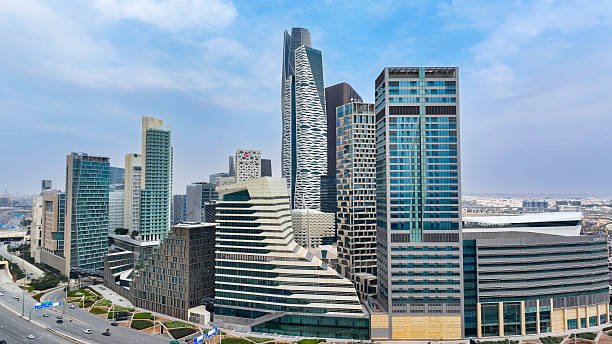

Infrastructure development plays a significant role in shaping property values, investment opportunities, and long term economic growth in Saudi Arabia. As the Kingdom continues implementing Vision 2030, investments in transportation networks, airports, public transportation, tourism facilities, utilities, and smart city developments are changing the attractiveness of residential and commercial locations. Working with a knowledgeable real estate advisor in saudi arabia can help investors understand how these developments influence property demand, rental income, capital appreciation, and long term investment potential. Infrastructure improvements do more than make cities easier to navigate. They can create new business districts, improve accessibility, attract residents, and increase demand for properties in previously less developed areas.
For property investors, developers, and business owners, understanding the relationship between infrastructure spending and real estate performance is essential. A Management Consultancy Company can support investment planning by assessing market conditions, development feasibility, economic trends, and infrastructure related opportunities. Saudi Arabia’s expanding infrastructure network is creating new possibilities across Riyadh, Jeddah, Makkah, Madinah, Dammam, and emerging economic destinations. However, infrastructure growth does not automatically guarantee higher property prices. The actual impact depends on project completion, population growth, employment opportunities, affordability, supply levels, and the strength of local demand.
How Infrastructure Development Influences Saudi Property Values
Infrastructure development improves the economic and physical environment surrounding residential, commercial, and industrial properties. When governments invest in roads, railways, airports, public transportation, and essential utilities, locations can become more accessible and attractive to businesses and households. These improvements can influence property values through several channels.
1. Improved Accessibility and Connectivity
Transportation infrastructure is one of the most important factors affecting property demand. Locations connected to major highways, metro stations, railway networks, and airports often attract greater interest because residents and businesses can reach important destinations more conveniently. In Saudi Arabia, expanding transportation networks are supporting connectivity between residential communities, commercial centres, industrial areas, and tourism destinations. Improved accessibility can make previously less attractive locations more competitive.
These improvements can reduce commuting times for employees and residents, provide easier access to commercial and employment centres, increase demand for residential accommodation, attract retail and hospitality businesses, and improve the attractiveness of locations for long term property investors. However, proximity alone does not guarantee appreciation. Investors must also consider noise, traffic congestion, construction disruption, parking availability, and the quality of surrounding facilities.
2. Growth of Employment and Commercial Activities
Infrastructure projects frequently encourage economic activity by attracting companies, contractors, suppliers, and service providers. New industrial zones, logistics centres, business districts, and commercial developments create employment opportunities that can increase demand for nearby housing. When employment opportunities expand, more professionals may relocate to surrounding areas. This can support demand for apartments, villas, staff accommodation, retail outlets, and office spaces.
Riyadh provides an important example of this relationship. Its expanding business environment, infrastructure investment, and growing regional headquarters ecosystem are increasing the importance of location selection for residential and commercial investors.
3. Better Public Facilities and Urban Living Standards
Modern infrastructure includes more than transportation. Schools, hospitals, parks, water networks, electricity systems, telecommunications, and recreational facilities also influence property attractiveness. Families often prefer communities where essential services are easily accessible. Similarly, businesses consider the availability of utilities, reliable connectivity, and supporting facilities before selecting commercial locations.
Areas with well planned infrastructure can therefore attract stronger residential demand and support more sustainable property markets. Infrastructure improvements are particularly important in emerging residential communities where early development may initially limit demand. As essential facilities become operational, these locations can become more attractive to potential buyers and tenants.
Major Infrastructure Developments Supporting Saudi Arabia’s Real Estate Market
Saudi Arabia is investing heavily in infrastructure to support economic diversification, urban development, tourism, and private sector participation. These investments are creating opportunities for property developers and investors across different regions. According to the Ministry of Finance’s FY2026 Budget Statement, the Kingdom allocated SAR 35 billion to the infrastructure and transportation sector. This allocation supports roads, transportation safety, ports, airports, communications, information technology, and other development priorities.
The scale of infrastructure investment is also reflected in the Kingdom’s wider development pipeline. Knight Frank reported in October 2026 that projects planned or underway reached approximately US$2.07 trillion in the first half of 2026. Of this amount, US$1.13 trillion represented construction and real estate projects, while US$940 billion covered power, transport, industrial, water, chemical, and other sectors. Several major developments are particularly relevant to property investment.
1. Riyadh Metro and Urban Transportation Expansion
The Riyadh Metro is transforming urban transportation by connecting residential neighbourhoods, commercial districts, educational institutions, and important economic centres. Better public transportation can improve accessibility while reducing dependence on private vehicles. The network has a significant role in supporting Riyadh’s long term urban development. The Vision 2030 Annual Report 2025 reported that the Riyadh Metro had recorded more than 96.8 million passengers in 2025. The system includes approximately 176 kilometres of driverless metro infrastructure.
Improved metro connectivity can influence property demand in several ways. Residential properties near operational stations may attract commuters seeking convenient access to employment centres. Retail developments can benefit from increased pedestrian movement, office locations can become more accessible to employees and customers, and mixed use developments may become more attractive when transportation and commercial facilities are integrated.
However, investors should examine actual station accessibility rather than relying only on advertised distance. Walking routes, road crossings, parking facilities, service frequency, and surrounding land use all influence the practical benefits of metro connectivity.
2. Airport Development and International Connectivity
Airport expansion is another important factor influencing property investment across Saudi Arabia. Modern airports improve international connectivity, support tourism, attract businesses, and strengthen logistics operations. The planned King Salman International Airport development in Riyadh is expected to strengthen the capital’s position as a global business and tourism destination. Its estimated investment cost is approximately US$33 billion.
Airport infrastructure can support property markets through increased demand for hotels and serviced apartments, greater interest in commercial offices and business facilities, expansion of logistics and warehousing requirements, more opportunities for hospitality and retail developments, and additional employment opportunities in surrounding areas.
Properties near airports may benefit from business activity, but investors must also consider aircraft noise, environmental restrictions, access roads, and zoning regulations before making purchasing decisions.
3. Railway and Logistics Network Development
Railway infrastructure is important for connecting industrial centres, ports, logistics facilities, and major cities. Saudi Arabia is expanding its transport network to support domestic trade and strengthen its position as a regional logistics hub. The National Transport and Logistics Strategy includes 92 initiatives and 378 projects, with estimated capital and operating costs of approximately US$267 billion through 2030. The country’s railway network, national roads, airports, and seaports are important components of this strategy.
These developments can increase demand for industrial property, distribution centres, warehouses, and commercial facilities. Areas with convenient access to railway connections and major freight corridors may attract companies seeking to reduce transportation costs and improve supply chain efficiency. For investors, logistics infrastructure creates opportunities beyond conventional residential and office properties. Industrial land and strategically located warehouses may become increasingly important as manufacturing, e commerce, and distribution activities expand.
4. Tourism Infrastructure and Hospitality Development
Tourism infrastructure is contributing to the transformation of Saudi Arabia’s property market. Investments in hotels, resorts, entertainment destinations, cultural attractions, airports, and road networks are supporting the development of new tourism locations. Major destinations such as Diriyah, the Red Sea, Qiddiya, and AlUla are creating demand for hospitality facilities and supporting commercial developments.
Tourism related infrastructure can increase property demand by attracting visitors, encouraging business investment, and creating employment opportunities. Hotels, serviced residences, retail outlets, restaurants, and entertainment facilities can benefit when destinations achieve consistent visitor activity. However, the commercial success of tourism property depends on visitor numbers, operating costs, seasonality, hotel occupancy, and the availability of supporting services. Announced tourism investment should not be treated as guaranteed rental income or capital appreciation.
How Infrastructure Growth Affects Different Property Segments
Infrastructure improvements do not influence every property category in the same way. Residential, commercial, industrial, and hospitality assets respond differently depending on their location, target customers, and economic conditions.
1. Residential Property
Residential properties can benefit from better transportation, schools, healthcare facilities, employment centres, and recreational spaces. These improvements increase the convenience of living in a particular neighbourhood. When infrastructure attracts new businesses and employees, housing demand may increase. This can support property prices and rental income, especially in locations with limited housing availability and strong household demand.
The latest available 2026 figures demonstrate why investors should assess individual property categories rather than assume that all residential assets are appreciating. Saudi Arabia’s Real Estate Price Index recorded annual growth of 1.2% in Q3 2026. Residential property prices increased by 2.3%, while commercial property prices declined by 2.0%. Residential land prices increased by 4.9%, and apartment prices increased by 1.7%. However, villa prices declined by 7.7% year on year.
These differences indicate that infrastructure growth operates alongside affordability, supply, property preferences, and local market conditions. Investors should examine population growth in the surrounding neighbourhood, distance from employment and transportation facilities, availability of schools and healthcare, rental demand, average occupancy levels, new residential developments, and property maintenance costs.
2. Commercial and Office Property
Commercial property performance is closely connected to business activity, employment growth, and accessibility. Infrastructure investment can encourage companies to establish offices in locations with better transportation and supporting facilities. Riyadh’s growing business environment demonstrates the relationship between commercial expansion and property demand.
According to CBRE’s Q2 2026 market review, the city’s office stock exceeded 6 million square metres of gross leasable area, while occupancy across prime office assets remained close to capacity.
Commercial properties can benefit when infrastructure improvements attract multinational companies, regional headquarters, financial institutions, professional service providers, technology businesses, retail brands, and government contractors. Nevertheless, commercial investors should assess vacancy rates, lease structures, tenant quality, rental growth, and future office supply. A new business district may attract significant attention, but its long term performance depends on actual occupancy and business activity.
3. Industrial and Logistics Property
Industrial and logistics properties are among the segments that can benefit directly from transport infrastructure. Warehouses, manufacturing facilities, distribution centres, and industrial land require efficient access to highways, ports, airports, and railway networks. Saudi Arabia’s economic diversification strategy is encouraging investment in domestic manufacturing, trade, and logistics. As companies expand their operations, demand for suitable industrial locations may increase.
Infrastructure development can support industrial property values through reduced transportation and distribution costs, better access to domestic and international markets, improved connections with suppliers and customers, expansion of manufacturing and storage activities, and increased demand for modern logistics facilities.
Investors should evaluate the availability of electricity, water, telecommunications, road access, and industrial licensing. These factors can determine whether a property is suitable for actual business operations.
4. Hospitality and Tourism Property
Hospitality assets depend heavily on accessibility and destination attractiveness. Hotels and serviced apartments may benefit when airports, roads, public transportation, and entertainment facilities make tourist locations easier to reach. Makkah, Madinah, Jeddah, Riyadh, and the Red Sea region offer different hospitality investment opportunities.
For example, transportation improvements around religious tourism destinations can support visitor movement and accommodation requirements. In major urban centres, airport connectivity and business activity may increase demand for hotels serving corporate travellers. However, investors should not assess hospitality properties only through surrounding infrastructure. Hotel occupancy, average daily room rates, operating expenses, competition, and seasonal demand must also be considered.
Regional Infrastructure Growth and Property Opportunities Across KSA
Saudi Arabia has several major urban and economic centres where infrastructure investment can influence real estate demand. Each location has different economic strengths, development priorities, and property market characteristics.
1. Riyadh: Business Infrastructure and Residential Demand
Riyadh is one of the most important locations for infrastructure related property investment. The capital is experiencing extensive urban development, transportation improvements, commercial expansion, and residential construction. The Riyadh Metro, road development programmes, business districts, and major entertainment projects are strengthening the city’s infrastructure.
The capital also benefits from growing demand for office accommodation. CBRE reported that Riyadh’s prime office market maintained occupancy levels near capacity during Q2 2026, supported by regional headquarters and business expansion.
Potential property opportunities include apartments in accessible residential communities, offices near established business districts, retail properties in high traffic locations, warehouses connected to logistics corridors, and hospitality assets serving corporate and leisure visitors. Investors should also monitor housing affordability and the supply of newly developed residential units because these factors can influence future price movements.
2. Jeddah: Port Connectivity and Commercial Development
Jeddah benefits from its strategic position along the Red Sea and its role as a major commercial, logistics, and tourism centre. Port facilities, airport development, road networks, and urban regeneration initiatives contribute to the city’s economic attractiveness. Infrastructure investment can strengthen demand for industrial facilities, commercial offices, hotels, and residential developments.
The city’s port connectivity is particularly important for businesses involved in imports, exports, distribution, and manufacturing. Improved transport links can make surrounding industrial and logistics locations more attractive to companies. Residential investors should consider neighbourhood accessibility, employment distribution, public facilities, and the balance between new housing supply and household demand.
3. Makkah and Madinah: Religious Tourism and Accommodation Demand
Makkah and Madinah have distinctive property markets influenced by religious tourism, accommodation requirements, and supporting urban infrastructure. Investments in roads, public transportation, hospitality facilities, and urban services can improve visitor movement and support commercial activity.
In Makkah, properties suitable for hospitality and visitor accommodation may benefit from convenient access to important religious destinations. Madinah also offers opportunities in hotels, serviced accommodation, retail, and supporting commercial facilities. However, location restrictions, land use regulations, ownership requirements, operating permissions, and seasonal demand must be carefully assessed before investment.
4. Eastern Province: Industrial and Energy Infrastructure
The Eastern Province benefits from its industrial, energy, manufacturing, and logistics activities. Dammam, Al Khobar, and Jubail have important connections to industrial facilities, ports, and commercial centres. Infrastructure development in this region can support demand for employee accommodation, industrial land, warehouses, office buildings, and retail properties.
Investors should evaluate proximity to industrial employers, transport corridors, utilities, and established residential communities. The region’s property market may offer opportunities for investors seeking exposure to industrial and commercial growth rather than relying entirely on residential capital appreciation.
The Role of Infrastructure in Long Term Property Appreciation
Infrastructure development can support long term property appreciation by improving the economic fundamentals of a location. However, the relationship between infrastructure investment and property prices is not always immediate. A new highway or metro station may initially improve accessibility without producing an immediate increase in property transactions. Over time, businesses may relocate, new residential communities may develop, and additional services may become available. These changes can gradually increase the attractiveness of surrounding properties.
1. Increased Demand from Population Growth
Infrastructure projects can encourage population growth by making cities more accessible and creating employment opportunities. As more people relocate for work, education, and business activities, demand for housing and supporting services may increase. Saudi Arabia’s expanding urban centres require residential communities that can accommodate different household sizes and income levels.
Investors should monitor population trends, household formation, employment opportunities, and housing affordability when evaluating locations expected to benefit from infrastructure improvements.
2. Higher Rental Income Potential
Infrastructure can influence rental performance by making properties more convenient for tenants. Residential tenants may prefer locations with accessible public transportation, schools, hospitals, and employment centres. Commercial tenants may prioritise locations with reliable utilities, customer accessibility, parking facilities, and proximity to business districts.
A property that attracts consistent rental demand may generate more stable income and improve its overall investment performance. However, rental growth depends on the relationship between tenant demand and available supply.
3. Improved Investor Confidence
Large infrastructure projects can increase confidence in locations by demonstrating long term government development priorities. Investors may become more interested in areas where transportation, utilities, and commercial facilities are progressing. However, investment decisions should be based on confirmed construction progress rather than announcements alone.
An experienced real estate advisor in saudi arabia can help assess the relationship between infrastructure development, local property demand, investment costs, and potential returns. This analysis is important because some projects may experience delays, changes in scope, or adjustments to development priorities.
How Investors Can Identify Infrastructure Driven Property Opportunities
Identifying the right investment location requires more than studying government infrastructure announcements. Investors need to understand how a specific project will influence the surrounding property market and whether the expected benefits are supported by actual economic demand. The following steps can improve property investment decisions.
1. Study Confirmed Infrastructure Projects
Investors should identify infrastructure projects that have received approval, funding, and clear implementation plans. Important information includes project location and development boundaries, expected construction and completion timelines, government funding and implementation arrangements, transportation connections and accessibility improvements, and expected impact on surrounding commercial activities.
A confirmed project with visible construction progress generally provides a stronger basis for investment analysis than an early stage development announcement.
2. Evaluate Distance and Accessibility
The distance between a property and new infrastructure is important, but practical accessibility matters more than geographical proximity. For example, a residential building located near a metro station may offer limited convenience if pedestrians cannot access the station easily. Similarly, commercial land near a highway may not benefit if there is no suitable entry or exit connection.
Investors should assess actual travel times, road conditions, public transport availability, and access to essential services.
3. Analyse Property Supply and Demand
Infrastructure improvements can encourage developers to introduce new residential and commercial projects. Although this may increase the attractiveness of an area, excessive development can create competition and reduce rental growth. Investors should examine existing residential and commercial property inventory, new developments under construction, expected housing delivery schedules, rental occupancy and vacancy levels, historical transaction prices, and demand from households and businesses.
The Q2 2026 CBRE market review highlighted that residential transaction volumes and values had moderated even as national residential prices recorded annual growth of 2.6%. This demonstrates why transaction activity and price movements should be evaluated together.
4. Assess Financial Returns and Development Costs
Infrastructure related property investment requires a detailed financial assessment. Investors should estimate acquisition costs, construction expenses, financing charges, maintenance requirements, taxes, rental income, and potential resale value. A Management Consultancy Company can support strategic assessments by examining market opportunities, financial feasibility, business risks, and development requirements.
Financial analysis should consider different scenarios, including infrastructure completion within the expected timeline, construction delays and increased development costs, higher interest rates and financing expenses, slower residential or commercial demand, lower than expected rental income, and changes in property market regulations. These scenarios help investors understand whether an opportunity remains financially viable under less favourable conditions.
Risks That Can Limit the Impact of Infrastructure Growth on Property Values
Although infrastructure development can create attractive investment opportunities, it also introduces risks that investors should understand before purchasing property.
1. Project Delays and Changes in Development Plans
Large infrastructure projects involve complex planning, procurement, construction, and regulatory approvals. Delays can reduce the expected benefits for surrounding properties. If investors purchase land based on an expected transportation connection, a delayed project may affect their investment timeline and holding costs. Therefore, property valuations should not rely entirely on future infrastructure promises.
2. Oversupply of Residential and Commercial Properties
Infrastructure investment often encourages developers to launch new projects. If housing or commercial supply increases faster than demand, property prices and rental income may face pressure. This is particularly important in locations where multiple residential communities or office developments are being constructed simultaneously. Investors should examine the future supply pipeline and the ability of local markets to absorb additional properties.
3. Rising Construction and Operating Costs
Infrastructure expansion can increase demand for construction materials, equipment, skilled labour, and specialist contractors. Saudi Arabia’s construction cost index increased by 2.3% year on year in August 2026, according to data reported by Saudi Awwal Bank using General Authority for Statistics figures.
Higher construction costs can affect developer profitability, project completion schedules, and the final selling prices of new properties. Investors should therefore consider realistic development budgets rather than assuming that infrastructure improvements will automatically produce higher investment returns.
4. Uneven Economic Benefits Across Locations
Not every neighbourhood benefits equally from infrastructure development. A major road or transportation project may improve one area while having limited influence on another. Property values also depend on employment availability, household purchasing power, commercial activity, environmental conditions, and local planning policies. Investors should avoid making decisions based only on the overall scale of national infrastructure spending.
5. Regulatory and Ownership Considerations
Saudi Arabia’s real estate sector continues to evolve through regulatory reforms, property registration improvements, and changes to foreign ownership rules. The Law of Real Estate Ownership by Non Saudis introduced a new framework for eligible international ownership from 22 January 2026. However, ownership eligibility depends on applicable regulations and designated locations.
Investors should verify property registration, ownership rights, zoning permissions, development restrictions, and transaction requirements before completing an acquisition.
The Importance of Professional Real Estate and Financial Assessment
Infrastructure driven property investment requires coordination between market research, financial planning, legal assessment, and development analysis. Investors may identify an attractive location because of a new metro station, airport, road network, or commercial district. However, the final investment decision should depend on whether the property can generate sustainable financial returns.
A professional real estate advisor in saudi arabia can help investors evaluate property locations, compare market prices, assess rental demand, and understand the potential impact of infrastructure projects. Financial and strategic assessment can also help investors determine whether to purchase existing properties, acquire development land, invest in commercial buildings, or explore industrial opportunities.
Important areas of assessment include:
- Market research: Understanding local property demand, pricing trends, and competing developments.
- Financial feasibility: Evaluating acquisition costs, financing requirements, rental income, and expected returns.
- Infrastructure analysis: Examining transportation access, utilities, public facilities, and development timelines.
- Risk assessment: Identifying construction, regulatory, market, and operational risks.
- Investment planning: Comparing different locations and property categories according to their financial objectives.
Combining these assessments helps investors distinguish between locations with genuine economic potential and areas where property prices may be driven primarily by expectations.
Future Outlook for Infrastructure and Saudi Real Estate
Saudi Arabia’s infrastructure development is expected to remain an important driver of real estate market transformation as Vision 2030 continues progressing. Investments in transportation, tourism, logistics, utilities, and urban development are creating new economic opportunities across established cities and emerging destinations.
The government’s FY2026 infrastructure allocation of SAR 35 billion, combined with the wider development pipeline, demonstrates the importance of infrastructure in the Kingdom’s economic development strategy. However, future property performance will depend on how effectively these investments translate into completed projects, business activity, employment opportunities, and sustainable housing demand.
Several trends are likely to influence the next phase of the Saudi property market:
- Greater demand for residential properties in well connected urban communities.
- Continued development of commercial districts and business centres.
- Increasing importance of industrial and logistics real estate.
- Expansion of hospitality opportunities around tourism destinations.
- Greater investor attention towards property affordability and rental performance.
- More emphasis on financial feasibility and infrastructure delivery timelines.
For investors, the most attractive opportunities may emerge in locations where infrastructure improvements are supported by genuine population growth, employment expansion, and commercial demand. A knowledgeable real estate advisor in saudi arabia can help investors assess these market conditions and understand how infrastructure development may influence property values over time. Ultimately, infrastructure growth can lift Saudi property values by improving accessibility, strengthening economic activity, attracting businesses, and creating more desirable places to live and work. Nevertheless, successful property investment requires careful location selection, realistic financial projections, and an understanding of local market conditions. Investors who evaluate completed infrastructure, future development plans, property supply, and sustainable demand will be better positioned to identify opportunities across Saudi Arabia’s evolving real estate market.