




Cold floors, uneven room temperatures, and rising heating bills can make Montana winters uncomfortable. Sometimes, the problem starts above the ceiling, where an under-insulated attic allows valuable indoor heat to escape. At Spray Pros Insulation, we understand why proper attic insulation matters for homeowners in Columbus, MT, especially when temperatures drop and heating systems work harder to maintain indoor comfort.
What Is Blow-In Insulation and How Does It Work?
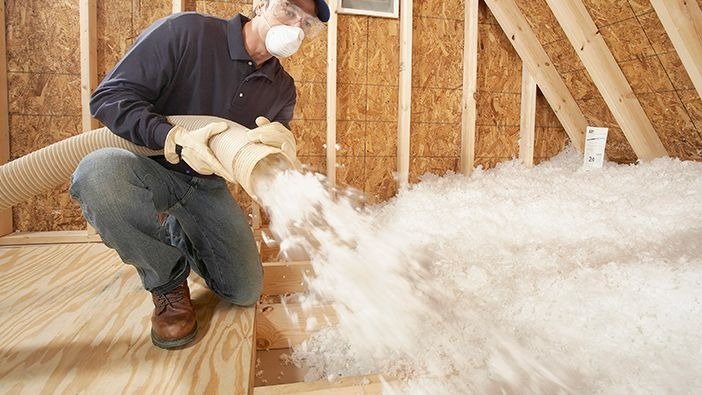
Blown-in insulation is a loose-fill material installed using specialized equipment that distributes small fibers throughout an attic or suitable wall cavity. Unlike traditional fiberglass batts, which come in pre-cut sections, loose-fill material can cover irregular areas, fit around framing, and reach smaller spaces that are difficult to insulate by hand.
Two common materials are fiberglass and cellulose. Fiberglass consists of fine glass fibers, while cellulose is generally manufactured from recycled paper products treated with fire-retardant chemicals. Both can help reduce heat transfer when installed at the correct depth and density.
For Columbus homeowners, attic insulation is particularly valuable because Montana experiences long, cold winters. A properly insulated attic helps slow heat loss, reduces the workload on heating equipment, and makes indoor temperatures more consistent.
In Columbus, we’ve noticed that many homeowners pay attention to their heating systems before checking the insulation above their ceilings. However, insufficient attic coverage, gaps around attic access points, and unsealed openings can contribute to unnecessary heat loss.
Another important factor is R-value, which measures how well insulation resists heat flow. A higher R-value generally means better thermal resistance. The appropriate target depends on the home’s construction, existing insulation, and applicable energy requirements. Montana’s insulation guidance identifies attic preparation and air sealing as important parts of an effective installation.
The Real Insulation Challenges in Columbus, MT
Columbus has a climate that puts residential insulation to the test. Winter temperatures can fall well below freezing, and seasonal snowfall creates additional concerns for roof and attic performance.
One issue homeowners may encounter is ice dam formation. This happens when heat escaping into the attic warms sections of the roof, melting snow that later refreezes near colder roof edges. Over time, accumulated ice can interfere with drainage and allow water to work beneath roofing materials.
Adding insulation can help, but it is not the only requirement. Air leaks, inadequate attic ventilation, and poorly insulated ductwork can also contribute to roof temperature differences. These problems need attention before adding more material.
An example scenario: A homeowner in Columbus notices that an upstairs bedroom remains colder than the rest of the house during winter. An attic inspection reveals uneven insulation coverage and several openings around plumbing penetrations. After addressing the air leaks and correcting the insulation coverage, the homeowner has a better-protected ceiling assembly and more consistent indoor temperatures.
A common customer concern is whether installing additional insulation over older material is safe. The answer depends on the condition of what is already there. Clean, dry insulation may remain in place, but wet, contaminated, pest-damaged, or deteriorated material may need attention first.
This is where Blow-in insulation removal services become relevant. Removing old material can make sense when contamination, moisture damage, or extensive deterioration prevents a reliable new installation. However, removal should not be recommended automatically. An inspection can help determine whether the existing material can safely remain.
How Spray Pros Insulation Approaches Attic Projects Differently
Every attic has different conditions, so the installation process should begin with an assessment rather than an automatic recommendation to add more material.
Spray Pros Insulation approaches insulation work by considering the existing attic structure, the condition of current materials, and the areas where heat may be escaping. This type of evaluation helps determine what work is actually necessary.
A properly planned project generally involves several important steps:
- Inspecting the existing attic
The first step is checking insulation depth, coverage, moisture conditions, roof leaks, and visible damage. The inspection should also identify wiring concerns, recessed lighting, exhaust fans, and other features that affect installation.
- Addressing air leakage
Small openings around plumbing pipes, electrical wiring, ceiling fixtures, and attic access points can allow warm indoor air to escape. These areas should be sealed using appropriate materials before new insulation is added.
- Protecting ventilation pathways
Soffit vents and other ventilation openings must remain clear. Insulation baffles or protective barriers help maintain airflow along the roof structure while preventing loose material from blocking important openings.
- Installing the appropriate material
A professional installer uses blowing equipment to distribute fiberglass or cellulose across the attic floor. The material should reach the specified depth and maintain even coverage, including difficult-to-reach sections.
One detail that many general insulation articles overlook is the importance of installation density and depth. Simply making an attic look full does not guarantee that it meets the intended thermal performance. Settling, uneven distribution, and compression can affect the final R-value.
Another overlooked issue involves moisture movement. Warm indoor air entering a cold attic can contribute to condensation under the right conditions. An insulation project should therefore account for air sealing, exhaust ventilation, and roof ventilation rather than treating insulation as a standalone fix.
Practical Tips Before Choosing Attic Insulation
Before arranging an insulation project, homeowners should understand what their attic actually needs. A little preparation can prevent unnecessary expenses and help avoid problems after installation.
In Columbus, we’ve noticed that winter comfort concerns often lead homeowners to consider insulation only after heating costs become difficult to manage. A better approach is to inspect the attic before the coldest part of the season arrives.
Here are some practical points to consider:
Check existing insulation depth: Look for areas where the material has become thin, uneven, or displaced. Compare the existing depth with the recommended R-value for your home.
Look for moisture damage: Dark stains, damp insulation, musty odors, and visible roof leaks should be investigated before covering the affected areas with new material.
Ask about air sealing: Adding insulation without addressing major air leaks may leave an important part of the problem unresolved. Ask which openings will be sealed before installation.
Confirm ventilation arrangements: Make sure the contractor checks soffit vents, ridge vents, and other airflow pathways. Covering these openings can create moisture problems.
Compare material options: Fiberglass and cellulose have different characteristics. Ask about their R-values, settling behavior, installation requirements, and suitability for your attic.
Request a clear estimate: A useful quote should explain the attic area, existing insulation condition, proposed material, target R-value, preparation work, and total project cost.
For homeowners comparing Affordable attic blow-in insulation in Columbus, MT options, the lowest initial estimate should not be the only deciding factor. A cheaper installation may leave out air sealing, protective barriers, or necessary preparation. Those missing steps can reduce the value of the finished project.
A local tip worth remembering is to inspect the attic hatch or pull-down stairs. These openings are often overlooked, even though they can allow considerable heat to escape if they lack proper insulation and weatherstripping.
Homeowners should also ask whether the installer will document the final insulation depth. Markers or depth rulers placed throughout the attic provide a useful reference for checking coverage after the equipment is removed.
Make Your Columbus Home More Comfortable Through Winter
A properly planned attic upgrade can help reduce heat loss, improve indoor comfort, and support more consistent heating performance during Montana’s colder months. Before adding new material, arrange an attic inspection to check existing insulation, moisture conditions, air leaks, and ventilation. Spray Pros Insulation provides insulation-related services in Columbus, MT, and homeowners can start by discussing their attic conditions and the most appropriate next step.
FAQs
How much insulation does an attic need in Columbus, MT?
The recommended amount depends on the home’s construction, existing insulation, and energy requirements. R-49 to R-60 is a useful range to discuss for many cold-climate attic upgrades, but an inspection is necessary to determine the right target. Proper air sealing and ventilation should also be considered.
How much does attic insulation cost in Columbus, MT?
The cost depends on attic size, material selection, existing insulation condition, accessibility, and preparation requirements. Removing damaged insulation or sealing air leaks can increase the total. Request an itemized estimate that includes material, labor, preparation, and the intended R-value rather than comparing prices alone.
Is blown-in insulation better than fiberglass batts?
Neither option is automatically better for every home. Loose-fill material can cover irregular spaces and fit around attic framing, while fiberglass batts work well in suitable open cavities. The right choice depends on the building structure, existing insulation, installation conditions, and desired thermal performance.
How do I know if an insulation contractor is trustworthy?
Check the contractor’s business information, customer reviews, relevant experience, insurance, and references. Ask for a written estimate explaining materials, installation depth, air sealing, and ventilation arrangements. A reliable professional should answer technical questions clearly and avoid promising specific energy savings without evaluating your property.
Can new attic insulation be installed over existing insulation?
Yes, in many cases. Existing insulation can remain if it is dry, clean, and in acceptable condition. However, wet, mold-contaminated, pest-damaged, or deteriorated material may require removal. An attic inspection can establish whether adding another layer is appropriate or whether preparation work is needed first.


