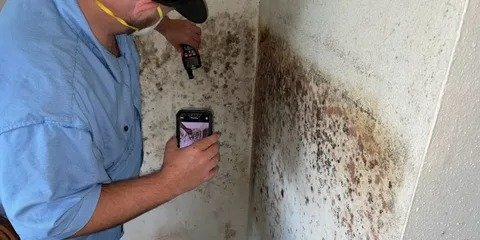

A home can look clean and well-maintained while hiding problems behind basement walls, beneath flooring, or inside poorly ventilated spaces. Moisture and radon are two concerns that homeowners in Elsmere, KY, should not overlook. At Northern Kentucky Inspections, understanding these hidden conditions is an important part of helping property owners make informed decisions about their homes.
Mold and Radon Inspections help identify indoor environmental concerns that a regular visual walkthrough may miss. While mold often develops because of excess moisture, radon is a naturally occurring radioactive gas that can enter buildings through foundation openings. Both require different testing methods and a clear understanding of the results.
What Mold and Radon Inspections Actually Cover
A property inspection should look beyond visible surfaces. Mold investigations focus on identifying moisture conditions, visible fungal growth, and areas where hidden contamination may exist. Common locations include basement corners, crawl spaces, bathrooms, attics, and areas around plumbing fixtures.
An inspector may use a moisture meter, flashlight, thermal imaging equipment, and other inspection tools to investigate suspicious areas. If the situation calls for laboratory confirmation, appropriate air or surface samples may also be collected.
Mold growth commonly develops when moisture remains on building materials such as drywall, wood framing, insulation, and carpeting. A leaking pipe, roof damage, poor drainage, or condensation can create the conditions needed for growth.
In Elsmere, we’ve noticed that one concern homeowners often underestimate is moisture collecting in basements and crawl spaces. A basement may appear dry during a quick walkthrough, yet moisture readings around foundation walls or stored materials can suggest a developing problem.
Radon requires a separate testing process because it cannot be identified through sight, smell, or taste. Testing equipment measures the concentration of radon in indoor air, with results reported in picocuries per liter (pCi/L).
The EPA recommends taking action when radon levels reach 4 pCi/L or higher. Homeowners may also consider reducing exposure when readings fall between 2 and 4 pCi/L.
The Real Challenge for Homeowners in Elsmere, KY
Northern Kentucky experiences seasonal temperature changes and periods of rainfall that can affect moisture conditions around residential foundations. Water collecting near a foundation, poorly directed downspouts, and inadequate basement ventilation can contribute to damp conditions.
Older homes may also have aging plumbing, foundation openings, or previous water damage that was never properly addressed. These conditions can make it difficult to identify the original source of a moisture problem.
Radon presents a different challenge. Elsmere is in Kenton County, which the EPA classifies as Zone 2, indicating moderate predicted radon potential. However, this classification does not tell homeowners what their individual property’s radon level is. Elevated readings can occur in homes across all three EPA zones.
EPA Map of Radon Zones+1
A common homeowner scenario: A property owner in Elsmere notices a musty smell after several days of rain. The basement walls look mostly normal, but a storage area has damp cardboard and discoloration near the floor. A closer investigation may reveal a moisture entry point that needs attention before further damage develops. Testing can help determine whether mold sampling is appropriate and whether a separate radon test should also be scheduled.
One question homeowners often ask is whether testing is still necessary if there are no visible signs of mold or unusual odors. The answer depends on the concern being investigated. Radon testing remains worthwhile because the gas has no smell or visible warning signs. Mold investigations, meanwhile, may be appropriate when there is a history of water damage or a suspected hidden moisture source.
For properties with elevated radon readings, Radon Mitigation Services may be the next step. A qualified mitigation professional can assess the building and recommend a suitable system, often involving sub-slab depressurization, a vent pipe, and a continuously operating fan.
How Northern Kentucky Inspections Approaches the Inspection Process
A useful inspection should provide more than a number on a testing device. Homeowners need to understand what was examined, what the findings indicate, and which areas may require additional attention.
Northern Kentucky Inspections can approach an inspection by considering the property’s condition, construction features, and the specific concerns reported by the owner. The process should focus on gathering useful information rather than recommending unnecessary testing.
A typical inspection process involves several important steps.
- Discussing the property’s history
The first step is understanding why the inspection is needed. Previous basement flooding, plumbing leaks, roof repairs, musty odors, and concerns about indoor air quality can all help determine which areas deserve attention.
- Examining moisture-prone areas
Basements, crawl spaces, bathrooms, attics, and locations around windows and plumbing fixtures deserve careful attention. Inspectors can look for water stains, peeling paint, condensation, damaged drywall, and visible fungal growth.
- Selecting appropriate testing methods
Not every property needs the same testing approach. Mold sampling may involve air or surface samples when the results can answer a specific question. Radon testing uses suitable measurement equipment under controlled conditions.
The EPA explains that visible mold does not automatically require laboratory sampling. In many cases, identifying the growth and correcting its moisture source are more useful than collecting samples without a clear purpose.
US EPA+1
- Explaining the findings
A helpful inspection report should identify the areas examined, testing methods used, relevant measurements, and any limitations. It should also distinguish between confirmed findings and conditions that require further investigation.
This is an important gap in many general inspection discussions: a test result without context can create unnecessary concern. For example, a single mold air sample does not explain the full condition of a building, and one radon reading should be interpreted according to the testing period and applicable guidance.
Practical Tips: What to Know Before You Decide
Preparing for an inspection can help homeowners get more useful information. A few simple steps can also prevent delays and make it easier to understand the final report.
In Elsmere, we’ve noticed that seasonal rain and changes in outdoor temperatures can make basement moisture concerns more noticeable. Checking gutters, downspouts, and the ground around the foundation is a sensible starting point.
Consider these practical tips before scheduling an inspection:
- Check for previous water damage: Look for old stains, repaired drywall, peeling paint, and damaged flooring.
- Inspect basement storage areas: Cardboard boxes, furniture, and other stored materials can hide damp spots along walls and floors.
- Keep gutters clear: Make sure downspouts direct rainwater away from the foundation rather than allowing it to collect beside the house.
- Avoid covering suspicious areas: Do not paint over stains or replace damaged materials before the source of moisture has been investigated.
- Ask about the testing method: Find out whether testing involves air samples, surface samples, or a radon measurement device.
- Review the inspector’s qualifications: Ask about relevant training, experience, applicable Kentucky requirements, and the laboratory used for sample analysis when applicable.
Another useful consideration is the difference between an inspection and remediation. An inspection identifies conditions and provides information. Remediation involves correcting the problem, removing affected materials when necessary, and addressing the underlying cause.
For homeowners who need Mold Inspection and Testing in Elsmere, KY , it is worth asking whether sampling will actually help answer their concerns. A good testing plan should have a clear purpose, explain the locations being sampled, and provide understandable results.
Also, do not assume that a newly constructed or recently renovated home is automatically free from radon or moisture concerns. Construction age alone cannot establish indoor air quality. Foundation design, soil conditions, drainage, and building ventilation all play a role.
Make Informed Decisions About Your Elsmere Property
Hidden moisture and radon concerns are easier to address when homeowners have reliable information about their properties. A properly planned inspection can identify areas that need attention and help determine the next appropriate step. Northern Kentucky Inspections provides a local option for homeowners considering mold and radon inspection services in Elsmere, KY. If you have noticed moisture, previous water damage, or simply want to check your indoor environment, arranging an inspection is a practical place to start.
FAQs
How often should a home in Elsmere, KY, be tested for radon?
The EPA recommends testing homes for radon regardless of their location or construction age. Consider testing when purchasing a property, after major renovations, or if the previous results are outdated. Testing is also sensible when changing basement usage or modifying the foundation because these changes may affect indoor radon levels.
How much do mold and radon inspections cost in Northern Kentucky?
Costs depend on property size, the number of areas being investigated, testing methods, and whether laboratory samples are needed. Radon testing and mold sampling are generally priced separately. Ask for an itemized estimate that explains inspection fees, laboratory charges, and any additional testing before scheduling.
Can a home have mold even without a musty smell?
Yes. Mold can develop in concealed locations such as behind drywall, beneath flooring, inside wall cavities, and around leaking plumbing. A musty odor can indicate a moisture concern, but its absence does not guarantee that hidden mold is not present. Investigating previous water damage can help identify areas that need attention.
How do I know if a mold or radon inspector is trustworthy?
Ask about relevant training, professional qualifications, testing procedures, and experience with residential properties. For mold testing, ask which laboratory analyzes the samples. For radon, check whether the professional meets applicable Kentucky requirements. A trustworthy inspector should explain the findings clearly and avoid guaranteeing results before testing.
What happens if a radon test shows levels above 4 pCi/L?
The EPA recommends fixing a home when radon readings reach or exceed 4 pCi/L. A qualified radon mitigation professional can assess the property and recommend an appropriate system. Sub-slab depressurization is a common approach that uses a vent pipe and fan to redirect radon from beneath the foundation to the outdoors.