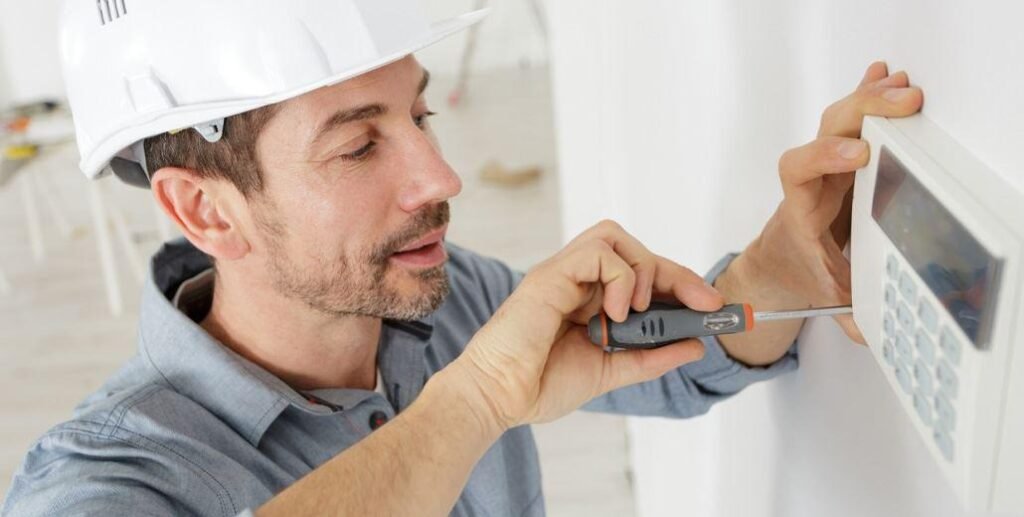

A home can feel chilly in the morning and uncomfortable by afternoon, even when the heating and cooling equipment seems to be working. Sometimes, the problem starts with the small device on the wall rather than the furnace or air conditioner. At Heating and Air Experts, we understand how proper temperature control helps Oakland homeowners maintain indoor comfort without unnecessary HVAC operation. Choosing and maintaining the right thermostats can make a noticeable difference in how a home feels throughout the year.
What Thermostats Do and Why They Matter in Oakland Homes
A thermostat acts as the control center for a home’s heating and cooling equipment. It measures indoor temperature and tells the HVAC system when to start, stop, heat, or cool. Although the device looks simple, its accuracy and compatibility affect the entire system’s performance.
Different homes need different control options. Traditional manual models allow homeowners to select a temperature themselves, while programmable models follow preset schedules. Smart models offer additional features, including smartphone access, learning schedules, and energy-use information.
Oakland has a varied housing landscape, from older Craftsman houses and Victorian properties to newer apartments and renovated homes. These buildings can have different heating equipment, insulation levels, duct arrangements, and electrical configurations. A thermostat that works well in one property may not be suitable for another.
In Oakland, we’ve noticed that many homeowners initially blame their furnace or air conditioner when indoor temperatures become inconsistent. However, an incorrectly positioned sensor, outdated control unit, or loose connection can produce similar symptoms.
A properly selected thermostat helps maintain a more consistent indoor temperature. It can also reduce unnecessary heating and cooling cycles, particularly when the household follows a predictable daily schedule.
For homeowners experiencing unreliable temperature readings, a professional thermostat repair service can help identify whether the issue comes from the control unit, its wiring, or another part of the HVAC system.
The Real Challenge Oakland Homeowners Face With Temperature Control
Oakland’s Bay Area climate creates a particular challenge for residential heating and cooling. Coastal air, morning fog, changing afternoon temperatures, and differences in elevation can influence how comfortable individual homes feel.
Properties closer to the waterfront may experience different temperature conditions from homes in hillside neighborhoods such as Montclair. Older houses can also have rooms that heat or cool at different rates because of insulation gaps, older windows, or uneven airflow.
These conditions make thermostat placement especially important. A device installed near a sunny window, exterior door, kitchen, or heating register may read a temperature that does not represent the rest of the home.
A common homeowner scenario:
A client in Oakland notices that the living room feels comfortable, but the upstairs bedrooms remain warm during the afternoon. The thermostat keeps the cooling system running because its sensor does not reflect the temperature in those rooms. After checking the equipment, the technician discovers that sensor placement and uneven airflow are contributing to the problem. Correcting the control settings and addressing the airflow issue helps improve comfort.
One concern homeowners often raise is whether replacing a thermostat will automatically solve every heating or cooling problem. The honest answer is no. A new control cannot repair restricted ductwork, a failing blower motor, low refrigerant, or inadequate insulation.
This distinction matters because replacing a working thermostat without diagnosing the actual problem can lead to unnecessary expenses.
Another issue that deserves attention is short cycling. If an HVAC system repeatedly switches on and off, the cause could involve thermostat settings, incorrect wiring, sensor placement, or an equipment fault. A proper inspection helps distinguish between these possibilities before parts are replaced.
How Heating and Air Experts Approaches Thermostat Problems Differently
A successful thermostat installation or repair begins with understanding the existing heating and cooling equipment. Simply connecting a new device to the available wires does not guarantee that it will communicate correctly with the HVAC system.
At Heating and Air Experts, the approach should focus on identifying the source of the problem before recommending a repair or replacement. This involves checking several important details.
- Checking the existing HVAC system
The technician first identifies whether the property uses a gas furnace, central air conditioner, heat pump, or another heating and cooling arrangement. Different systems require different thermostat connections and control settings.
- Inspecting wiring and electrical connections
Low-voltage thermostat wiring carries signals between the wall control and HVAC equipment. Loose connections, damaged wires, and missing common-wire connections can cause blank screens, intermittent operation, or communication problems.
A C-wire, also called a common wire, provides continuous power to many modern smart thermostats. Some older homes do not have this connection readily available, so compatibility needs to be checked before selecting a replacement.
- Selecting suitable equipment
The right control should match the HVAC system, household schedule, and desired features. Some homeowners prefer simple programmable controls, while others want remote access and scheduling through a smartphone.
For properties that need updated controls, digital thermostat installation in Oakland, CA should include checking system compatibility, connecting the required wiring, configuring heating and cooling modes, and testing the equipment.
- Testing the complete system
After installation or repair, the technician should test both heating and cooling operation where applicable. The fan settings, temperature readings, programmed schedules, and equipment response should all be checked.
This final step is often overlooked in basic installation guides. A screen that turns on does not necessarily mean the thermostat is communicating correctly with the furnace or air conditioner.
One important competitor content gap is the limited attention many general installation guides give to the difference between a thermostat problem and an HVAC equipment problem. Homeowners need to understand that distinction before spending money on replacement equipment.
A professional diagnosis should also consider whether the existing system supports advanced features such as multiple heating stages, heat pump controls, or separate temperature zones. These details help prevent compatibility problems after installation.
Practical Tips: What to Know Before You Decide
Before replacing an existing temperature control, take a few minutes to understand how your current system behaves. Small details can help a technician identify the problem faster and recommend the right repair.
Check the batteries and display
If the screen is blank or responding slowly, check whether the model uses replaceable batteries. Weak batteries can cause unexpected operation or a complete loss of display.
Review the temperature settings
Make sure the system is set to the correct mode. A thermostat set to FAN ON, for example, may keep the blower running continuously even when heating or cooling is not required.
Pay attention to thermostat placement
Avoid installing the device where direct sunlight, drafts, cooking heat, or supply registers can influence its temperature readings. A centrally located interior wall is often a better choice.
Understand smart thermostat compatibility
Not every smart model works with every HVAC system. Check the manufacturer’s compatibility requirements, available wiring, voltage, and equipment type before purchasing a device.
Consider your household schedule
Programmable features are most useful when they reflect actual daily routines. Setting realistic temperature schedules can reduce unnecessary equipment operation while keeping the home comfortable.
In Oakland, we’ve noticed that homes with older construction can present additional challenges during thermostat upgrades. Existing wiring may not support newer devices, and previous HVAC modifications can make the original connections difficult to identify.
A useful local tip is to have the technician check both thermostat placement and airflow before deciding that a more expensive smart model is necessary. A basic programmable unit may provide everything a household needs.
Homeowners should also ask whether the proposed installation includes configuration and operational testing. The final cost should account for any additional wiring, adapters, or compatibility work rather than just the price of the device.
Finally, keep the thermostat manual and note the model number after installation. These details make future maintenance, troubleshooting, and replacement much easier.
Better Temperature Control Starts With the Right Diagnosis
Consistent indoor comfort depends on more than selecting a modern wall control. The device must match the HVAC equipment, receive accurate temperature readings, and operate with correctly configured wiring and settings. Homeowners in Oakland, CA, can discuss their thermostat concerns with Heating and Air Experts to determine whether repair, replacement, or a system inspection is the most sensible next step.
A further consideration is whether the home has a single-zone or multi-zone HVAC system. In a single-zone setup, one control generally manages the entire system. Multi-zone systems use additional controls and dampers to manage temperatures in separate areas. Installing an incompatible device can interfere with these settings.
Homeowners should also remember that a smart thermostat does not automatically guarantee lower utility bills. Savings depend on insulation, equipment efficiency, household habits, and the temperature schedule. The most useful upgrade is the one that addresses the home’s actual needs.
FAQs
How do I know if my thermostat needs to be replaced?
Common warning signs include a blank screen, inaccurate temperature readings, unresponsive buttons, and heating or cooling that starts unexpectedly. Before replacing it, check the batteries and settings. If the problem continues, an HVAC technician can inspect the wiring and equipment to determine whether repair or replacement makes more sense.
How much does thermostat repair or replacement cost in Oakland, CA?
The price depends on the thermostat model, wiring condition, and complexity of the work. A basic replacement usually costs less than installing a smart model that requires additional wiring or configuration. Ask for an itemized estimate covering equipment, labor, and any necessary electrical modifications before approving the work.
Are smart thermostats worth installing in Oakland homes?
Smart thermostats can be useful for households with changing schedules or multiple temperature preferences. They allow remote adjustments, scheduling, and energy-use monitoring. However, they are not necessary for every home. A compatible programmable thermostat may provide sufficient control without the additional features or expense of a smart device.
How do I know if an HVAC thermostat technician is trustworthy?
Check the contractor’s California license through the Contractors State License Board (CSLB), confirm appropriate insurance, and read recent customer reviews. Request a written estimate explaining the diagnosis and proposed work. A trustworthy technician should explain compatibility concerns, answer questions clearly, and avoid recommending replacement before checking the existing system.
Why does my thermostat show the correct temperature but my home still feels uncomfortable?
The displayed temperature only reflects the area around the thermostat’s sensor. Poor insulation, restricted ductwork, uneven airflow, and direct sunlight can make other rooms feel warmer or cooler. An HVAC inspection can identify these issues and determine whether thermostat placement, system balancing, or another repair is needed.