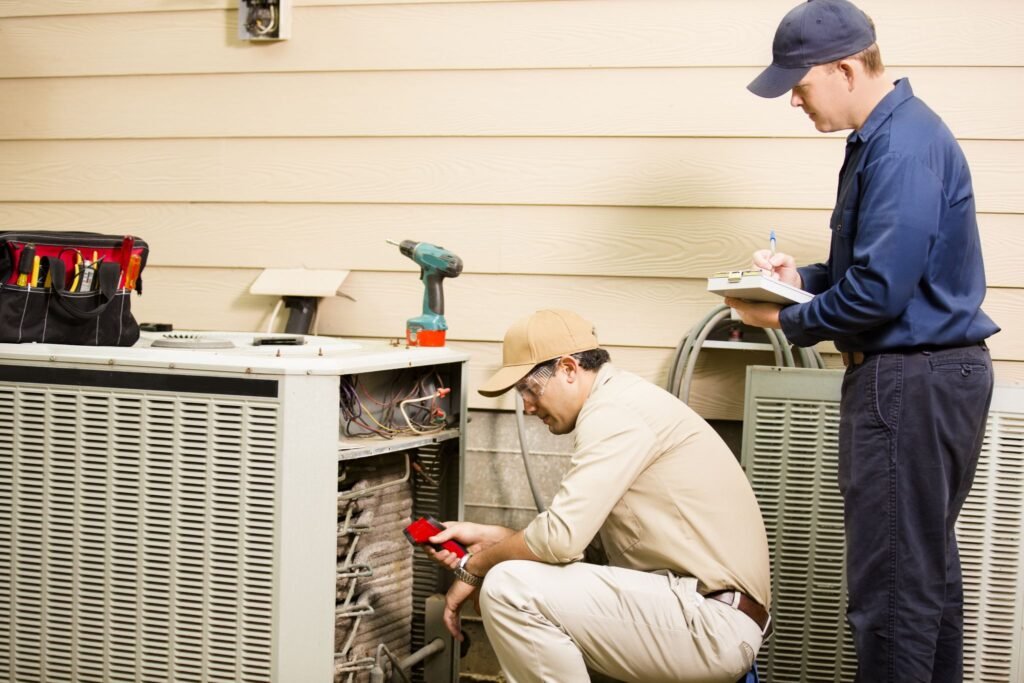

A furnace that stops heating during a Pennsylvania cold spell or an air conditioner that struggles through a humid July afternoon can quickly make a home uncomfortable. In Jersey Shore, where households rely on heating and cooling systems through distinct seasons, a small equipment problem can become a bigger concern if it goes unchecked. Action Heating and Air Conditioning understands the value of finding the cause of a system problem before deciding what work is needed. Good HVAC repair services should restore reliable operation while helping homeowners understand the condition of their equipment and the options available.
What HVAC Repair Includes for Jersey Shore Homes
Residential systems can include gas or electric furnaces, central air conditioners, heat pumps, ductless mini-splits, thermostats, and ventilation equipment. Common repair needs include:
- Furnace problems: Ignition failures, dirty flame sensors, malfunctioning blower motors, faulty limit switches, or airflow restrictions.
- Air conditioning issues: Refrigerant leaks, frozen evaporator coils, clogged condensate drains, capacitor failures, or compressor-related problems.
- Heat pump faults: Reversing valve issues, defrost control problems, electrical faults, or reduced heating and cooling performance.
- Airflow concerns: Blocked filters, damaged ductwork, closed or obstructed registers, and blower problems.
- Control and thermostat faults: Incorrect settings, wiring issues, failing sensors, or communication problems between system components.
In Jersey Shore, we’ve noticed that seasonal changes can expose weaknesses that homeowners may not have noticed during milder weather. A heating system might appear to work normally in autumn but struggle once temperatures remain low for several days. Similarly, an air conditioner that handles spring weather may have trouble keeping up once summer humidity rises.
The purpose of a proper service visit is to identify the reason behind the symptom, not simply restart the equipment and leave. A useful diagnosis should explain what failed, what caused it, where that can be determined, and which repair options make sense.
The Real Challenge of Heating and Cooling in Jersey Shore
Homes in Jersey Shore experience cold winter conditions, warm summers, and periods of changing humidity. That seasonal range puts different demands on HVAC equipment throughout the year. Lycoming County’s 2026 hazard mitigation plan reports average winter lows around 20.8°F from December through March and summer highs around 80°F from June through August. Actual conditions vary, but those seasonal temperatures show why dependable heating and cooling matter locally.
Winter places sustained demands on furnaces and heat pumps. A dirty filter, weak blower motor, faulty ignition component, or restricted return vent can affect heating performance. With heat pumps, homeowners may also notice changes in operation during colder weather, when the system’s defrost cycle and auxiliary heat settings become more relevant.
Summer creates a different set of problems. Air conditioners must remove both heat and moisture from indoor air. A system that runs for long periods without controlling humidity may have an airflow, refrigerant, sizing, or equipment issue that deserves investigation.
A Common Local Repair Scenario
A homeowner in Jersey Shore notices that the furnace starts normally but shuts off before the house reaches the thermostat setting. The family initially suspects that the furnace is too old and may need replacement. During a diagnostic visit, a technician checks the filter, airflow, thermostat operation, and safety controls, finding that restricted airflow is contributing to overheating and short cycling. After the underlying issue is corrected and the system is tested, the homeowner can make a more informed decision about any additional work.
How Action Heating and Air Conditioning Approaches HVAC Repairs
A repair should begin with a clear diagnosis. Replacing a part without checking why it failed can leave the original problem unresolved. For example, a failed capacitor may be the immediate reason an outdoor unit will not start, but electrical connections, motor condition, and operating load may also need inspection.
Heating and cooling repair covers the inspection, diagnosis, and correction of problems that prevent an HVAC system from operating safely or properly. The work depends on the equipment, the symptoms, and the underlying cause. A furnace that runs constantly, for example, may have a different issue from an air conditioner that turns on but produces little cool air.
A careful repair process generally includes several steps:
- Listen to the homeowner’s observations. Details such as unusual sounds, burning smells, uneven room temperatures, frequent cycling, or changes in utility bills can help narrow down the issue. The technician should also ask when the symptoms began and whether anything changed before they appeared.
- Inspect the equipment and controls. The inspection may cover the thermostat, electrical components, air filter, blower assembly, coils, condensate drainage, refrigerant circuit, and safety controls, depending on the system and reported symptoms.
- Test before recommending a repair. Measurements help distinguish between possible causes. A technician may check temperature differences across the system, electrical readings, airflow, refrigerant operating conditions, or furnace safety functions as appropriate.
- Explain the available options. Homeowners should understand which component needs attention, why the repair is recommended, and whether other issues may affect performance. If replacement is worth considering, the reasons should be explained rather than presented as an automatic choice.
- Confirm system operation. After the repair, the equipment should be operated and checked to confirm that it responds correctly and that the original symptom has been addressed.
Practical Tips Before Choosing an HVAC Repair Company
Finding a technician is only one part of the decision. Homeowners also need to know what questions to ask, which warning signs deserve attention, and how to avoid paying for work that does not address the real problem.
A repair addresses an existing fault. Routine HVAC Maintenance services in Jersey Shore, PA focus on reducing avoidable wear and identifying developing issues before they cause a breakdown. Maintenance may include filter inspection, coil checks, condensate drain inspection, electrical connection checks, thermostat testing, and an assessment of system operation.
Check the Symptoms Before Calling
Make a note of what the system is doing. Does it fail to start, run continuously, make a rattling sound, blow weak air, or produce an unusual odor? Check that the thermostat is set correctly and that the filter is not visibly clogged. Avoid opening electrical panels or attempting repairs involving gas, refrigerant, or high-voltage components.
Ask What the Diagnostic Visit Includes
Before approving work, ask whether the technician will inspect the system, test relevant components, and explain the findings. A quote that lists only a replacement part may not tell you whether the underlying cause has been addressed.
Homeowners comparing HVAC contractors near me should also review licensing, insurance, service experience, written estimates, and communication. Ask who will perform the work and whether the company will explain any additional repairs before proceeding.
Understand the Difference Between Repair and Maintenance
Working with clients in Jersey Shore, our team found that one useful habit is to schedule a heating-system check before the colder months and an air-conditioning check before sustained summer heat. This gives homeowners time to address developing problems before peak seasonal demand.
Ask for Value, Not Just the Lowest Quote
Affordable work should still include a sound diagnosis and suitable parts. When comparing Affordable HVAC repair services, ask whether the quoted price covers labor, parts, testing, and any follow-up required by the repair. A very low estimate may exclude important work or depend on assumptions that have not been checked.
One detail worth asking about is airflow after a repair. A new motor or capacitor cannot solve a blocked return, undersized duct, or poorly balanced system. Checking airflow can help prevent a repeat complaint and may reveal why certain rooms remain uncomfortable.
Get Your Jersey Shore Heating and Cooling System Back on Track
Unusual noises, weak airflow, repeated shutdowns, and inconsistent indoor temperatures are all reasons to arrange a professional inspection. A clear diagnosis helps you decide whether a repair is practical or whether the system’s age and condition make replacement worth discussing. Action Heating and Air Conditioning can help Jersey Shore, PA homeowners understand their HVAC concerns and take the next step toward dependable indoor comfort.
4. FAQs
1. How do I know if my HVAC system needs repair?
Common warning signs include unusual noises, weak airflow, inconsistent temperatures, frequent cycling, water around the indoor unit, or a sudden increase in energy use. A burning smell, gas odor, or repeated safety shutdown should be treated seriously. Turn off the equipment if you suspect an immediate safety issue and contact a qualified professional.
2. How much does HVAC repair cost in Jersey Shore, PA?
The price depends on the fault, equipment type, parts, labor, and how difficult the repair is to access. A simple electrical component replacement usually costs less than a refrigerant leak repair or major motor replacement. Request an itemized estimate that explains diagnostic fees, parts, labor, and any additional recommended work.
3. Should I repair or replace my old heating and cooling system?
Consider the system’s age, repair history, energy use, safety, and the cost of the current problem. A relatively minor fault may justify repair, while repeated expensive breakdowns can make replacement worth evaluating. Ask the technician to explain both options, including expected operating costs and any efficiency differences.
4. How often should I schedule HVAC maintenance in Pennsylvania?
Most homes benefit from having heating equipment checked before the main heating season and cooling equipment inspected before summer. Filters may need attention more often, depending on the system, household activity, pets, and indoor air conditions. Follow the equipment manufacturer’s instructions for filter replacement and routine care.
5. How can I check whether an HVAC contractor is legitimate?
Ask for the company’s legal business details, proof of insurance, relevant Pennsylvania registration or licensing where applicable, and a written estimate. Check references and reviews, and confirm who will perform the work. A trustworthy contractor should explain the diagnosis, discuss costs before repairs, and avoid pressuring you into unnecessary replacement.