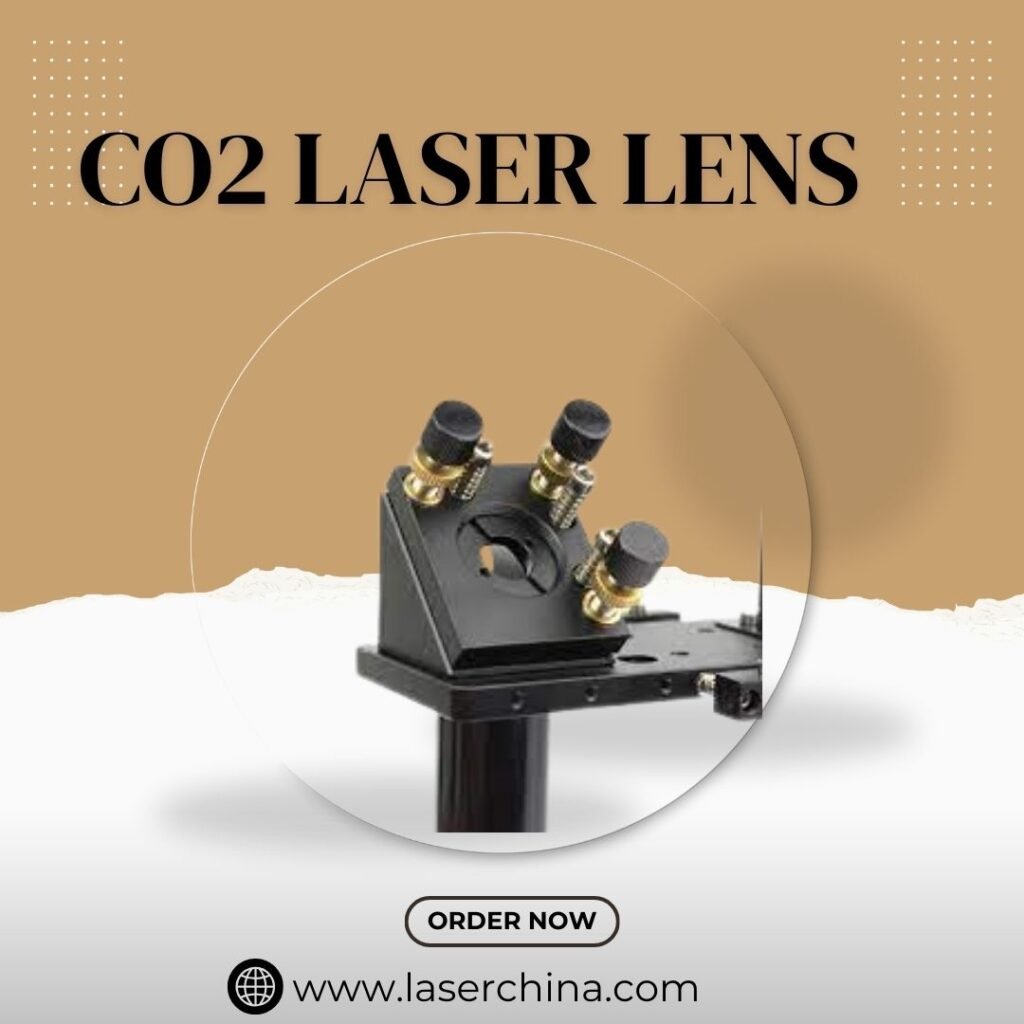

A CO2 laser machine relies on high-quality optical components to deliver accurate cutting, engraving, and marking results. The CO2 laser lens plays an important role in focusing the laser beam onto the material surface, helping achieve precise details and consistent processing quality. Whether you operate a small engraving machine or an industrial laser cutting system, selecting the right lens can improve productivity and support reliable machine performance.
What Is a CO2 Laser Lens?
A CO2 laser lens is an optical component designed to focus the infrared laser beam onto a specific point. This concentrated energy allows the machine to cut, engrave, or process materials such as wood, acrylic, leather, paper, and certain plastics.
These lenses are commonly manufactured from materials such as zinc selenide (ZnSe), which offers suitable optical transmission for CO2 laser wavelengths, typically around 10.6 micrometers. The lens must be compatible with the machine’s optical system, power level, and intended application.
Understanding Focal Length
Focal length is one of the most important factors when choosing a lens. It determines how far the lens focuses the laser beam from its optical surface and influences the size of the focused spot.
Shorter focal lengths are often suitable for detailed engraving and fine work on thin materials. Longer focal lengths may be preferred for thicker materials because they can provide a deeper working focus and greater clearance between the cutting head and the material.
Choosing the correct focal length depends on the material thickness, required cutting quality, machine configuration, and desired level of detail.
Applications Across Different Industries
A properly selected CO2 laser lens supports a wide range of manufacturing and creative applications.
- Sign making: Cutting acrylic letters, decorative panels, and customized signage.
- Woodworking: Engraving designs, logos, and patterns on wooden products.
- Packaging: Processing paper, cardboard, and selected packaging materials.
- Craft production: Creating personalized gifts, ornaments, and decorative accessories.
- Industrial manufacturing: Supporting repeatable cutting and engraving operations in production environments.
The right optical setup helps businesses maintain consistent output while adapting to different materials and project requirements.
How to Choose the Right Lens
Before purchasing a replacement lens, check the lens diameter, focal length, material, and compatibility with your laser head. Confirm that the lens is suitable for your machine’s wavelength and operating power.
Consider your main application as well. Detailed engraving may require a different focal setup from cutting thick acrylic or wood. Always follow the machine manufacturer’s specifications rather than selecting a lens based on price alone.
Working with a reliable supplier can also help you identify the correct replacement and reduce the risk of ordering incompatible components.
Cleaning and Maintenance Tips
Regular maintenance helps preserve optical performance and reduce avoidable replacement costs. Dust, smoke residue, and material particles can accumulate on the lens surface during normal operation.
Follow these maintenance practices:
- Inspect the lens regularly for contamination, scratches, or visible damage.
- Use appropriate optical cleaning materials and manufacturer-approved procedures.
- Avoid touching the optical surface with bare fingers.
- Keep the lens protected when it is removed from the machine.
- Check alignment and focusing settings if cutting quality suddenly changes.
Never clean a lens while the laser is operating. Follow the machine’s shutdown and safety procedures, and use appropriate protection when handling optical components.
Signs That Your Lens Needs Replacement
Poor cutting performance does not always mean the lens is damaged, but certain symptoms deserve attention. Uneven cuts, inconsistent engraving depth, reduced cutting efficiency, or visible optical damage may indicate that the lens requires inspection.
Before replacing it, check other possible causes, including incorrect focus, dirty mirrors, poor beam alignment, unsuitable operating settings, and inadequate air assistance. Identifying the actual problem can prevent unnecessary spending and help restore machine performance more effectively.
Final Thoughts
Choosing and maintaining the right CO2 laser lens is essential for achieving consistent cutting and engraving results. By understanding focal length, optical material, machine compatibility, and proper cleaning procedures, operators can make more informed purchasing decisions and maintain dependable equipment performance.