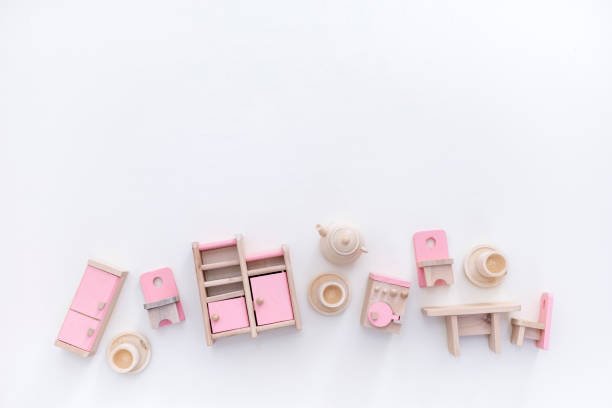

Children often enjoy copying the everyday activities they see at home. Feeding a baby, preparing a bed and getting ready for a walk can all become part of their imaginative games. With the right doll accessories, these simple activities can turn into creative stories that keep children engaged.
Doll furniture, including cots, high chairs, prams and nursery play sets, gives children opportunities to explore familiar routines through pretend play.
However, not every accessory is suitable for every doll or age group. Size, materials, safety and ease of use are important factors when choosing toys.
This guide explains the different types of doll furniture, how they can support imaginative play and what parents should consider before buying.
What Is Doll Furniture?
Doll furniture is miniature furniture designed for use with toy dolls.
These accessories often resemble everyday household items, allowing children to create pretend environments for their dolls.
Popular examples include:
- Doll cots and cradles
- Doll high chairs
- Miniature beds and bedding
- Doll wardrobes
- Changing tables
- Doll prams and pushchairs
- Feeding and nursery play sets
Some accessories are sold individually, while others come together as coordinated sets.
The main purpose is to encourage children to create their own stories and explore everyday activities through play.
Why Doll Accessories Are Popular for Imaginative Play
Pretend play is a familiar part of childhood.
Children may recreate activities they have observed, invent new situations or combine different toys to develop their own stories.
Encouraging Creativity
A doll cot might become part of a bedtime routine, while a high chair could be used during a pretend family meal.
Children can decide what happens next and create different situations each time they play.
Exploring Everyday Routines
Doll furniture helps children become familiar with activities such as feeding, dressing and preparing for bedtime.
These games can make ordinary routines easier to understand.
Practising Communication
Children often speak to their dolls or describe what they are doing.
This creates opportunities to practise words, conversations and storytelling.
Developing Social Understanding
Pretend caregiving games may encourage children to explore kindness, responsibility and the feelings of others.
These experiences do not guarantee particular developmental outcomes, but they can provide enjoyable opportunities for social learning.
Supporting Fine Motor Skills
Placing a doll into a cot, fastening suitable toy straps or arranging miniature bedding involves hand movements and coordination.
Age-appropriate accessories can give children opportunities to practise these skills.
Types of Doll Furniture to Consider
Different furniture pieces create different play experiences.
1. Doll Cots and Cradles
Doll cots are miniature beds designed for baby dolls.
They allow children to create bedtime routines, arrange bedding and pretend to settle their dolls to sleep.
Some designs have fixed frames, while others feature gentle rocking movements.
When comparing doll cots, consider:
- Suitable doll length
- Frame stability
- Smooth edges
- Age recommendations
- Ease of assembly
- Fabric and bedding quality
A lightweight cot may be easier to move between rooms, while a larger model may offer more space for different dolls.
Toy cots must never be used for real babies or children.
2. Doll High Chairs
A doll high chair allows children to recreate feeding time.
Children can position their dolls in the chair, arrange pretend food and create their own mealtime stories.
Some models include removable trays or decorative features.
A suitable high chair should have a stable base and enough room for the intended doll.
Check that any folding mechanisms, hinges or removable components do not create avoidable trapping or choking hazards.
3. Doll Changing Tables
Changing tables are designed to imitate baby-care furniture.
They may include small storage compartments, shelves or changing mats.
Children can use them during pretend dressing and changing routines.
These toys can be particularly appealing when combined with suitable doll clothing and nappies.
4. Doll Prams and Pushchairs
Doll prams and pushchairs allow children to take their dolls on imaginary outings.
Some are designed for indoor use, while others can be used on suitable outdoor surfaces.
Features may include:
- Adjustable handles
- Folding frames
- Storage baskets
- Fabric hoods
- Toy safety harnesses
Parents should check stability, folding safety and the manufacturer’s recommended age.
5. Doll Wardrobes and Storage Furniture
Miniature wardrobes and storage units give children somewhere to organise doll clothing and accessories.
They can also encourage simple sorting and tidying activities.
Choose furniture that is stable and does not contain unsafe detachable pieces.
Doll Cots vs High Chairs: Which Is More Suitable?
Both accessories encourage imaginative play, but they support different activities.
| Feature | Doll Cot | Doll High Chair |
|---|---|---|
| Main activity | Pretend bedtime | Pretend feeding |
| Typical accessories | Toy pillow, blanket and mattress | Toy plates, cups and food |
| Play theme | Rest and nursery routines | Mealtimes and caregiving |
| Space required | Depends on cot dimensions | Depends on chair design |
| Important checks | Stability and safe construction | Stable frame and secure fittings |
Neither option is automatically better.
A child who enjoys bedtime stories may prefer a cot, while someone who frequently plays pretend kitchens may enjoy a high chair.
How to Choose the Right Doll Furniture Size
Compatibility is one of the most important considerations.
Not all dolls have the same dimensions.
Measure the Doll
Check the doll’s approximate length before choosing a cot, pram or changing table.
A larger doll may not fit comfortably inside furniture designed for smaller dolls.
Check Product Dimensions
Read the furniture measurements rather than relying only on product photographs.
Look at the usable internal space, especially for cots and beds.
Consider Different Doll Styles
Baby dolls, soft-bodied dolls and fashion dolls may require different furniture designs.
Some accessories are designed specifically for a particular doll range.
Allow Room for Play
Larger furniture can take up more space than expected.
Measure the available play area and consider where the furniture will be stored.
Wooden vs Plastic Doll Furniture
Doll furniture is available in several materials, with wood and plastic among the most common.
Wooden Doll Furniture
Wooden designs often have a traditional appearance.
They may suit children who enjoy nursery-style play sets and simple furniture.
When choosing wooden items, check the quality of the finish, construction and edges.
Plastic Doll Furniture
Plastic accessories are available in many colours and designs.
Some models are lightweight and easy to move.
Look for sturdy construction and avoid products with damaged or brittle components.
Fabric Accessories
Soft bedding, toy blankets and doll clothing can add variety to pretend play.
Choose age-appropriate fabrics and check for loose decorations, long cords or small detachable pieces.
The material alone does not determine whether a toy is safe. Product design, manufacturing quality and age suitability are more important.
How to Choose Safe Doll Accessories in the UK
Toy safety should be a priority when selecting furniture and play sets.
Check Age Recommendations
Always follow the manufacturer’s stated age suitability.
Accessories containing small detachable parts may be unsuitable for children under three because of choking risks.
Look for Appropriate Safety Markings
Toys supplied in Great Britain should meet the applicable UK toy safety requirements.
Check for the appropriate UKCA or CE conformity marking, together with the manufacturer’s details and relevant warnings.
A marking alone does not guarantee that a toy is safe, so product quality and the seller’s reliability still matter.
Inspect Small Parts
Tiny bottles, pretend food items and decorative pieces can create choking hazards.
Choose accessories suitable for the child’s age and abilities.
Check Stability
Doll high chairs, cots and wardrobes should remain stable during normal play.
Avoid furniture with sharp edges, damaged joints or easily detached components.
Follow Assembly Instructions
Some furniture requires adult assembly.
Make sure screws, fittings and other components are installed securely before use.
How Doll Play Sets Encourage Storytelling
A doll play set can become the starting point for many different stories.
For example, a child might create a pretend morning routine:
- Wake the doll in its cot.
- Choose clothes from a toy wardrobe.
- Prepare a pretend breakfast.
- Place the doll in a high chair.
- Take the doll for a walk in a pushchair.
The next day, the same toys might become part of a completely different story.
This flexibility is one of the appealing features of open-ended play.
Children do not need electronic features or complicated instructions to enjoy imaginative activities.
Are Complete Doll Play Sets Better Than Individual Accessories?
Both options have advantages.
Complete Play Sets
A coordinated set may include several matching items, such as a cot, high chair and changing station.
These sets can help create a consistent play environment.
However, larger sets may require more storage space and contain pieces that are not suitable for every age group.
Individual Accessories
Buying one item at a time allows families to build a collection gradually.
It also makes it easier to choose furniture based on a child’s interests.
For example, a child who already owns several dolls may benefit more from a suitable cot than from another complete nursery set.
The most useful choice depends on the existing toys, available space and the child’s preferences.
How to Organise Doll Furniture at Home
A dedicated play area can make doll furniture easier to use and maintain.
Create a Small Doll Nursery
Arrange a cot, high chair and storage basket in one area.
This gives children a familiar space for pretend caregiving activities.
Use Storage Baskets
Small baskets can hold doll clothes, blankets and suitable accessories.
Keep tiny items away from younger siblings.
Rotate Accessories
Not every toy needs to be available at the same time.
Rotating accessories may help keep the play area manageable and introduce variety.
Encourage Tidying Up
Children can help return dolls and accessories to their storage places after play.
This can turn tidying into another simple routine.
Caring for Doll Furniture and Accessories
Regular cleaning and inspection can help keep toys in good condition.
For plastic furniture, follow the manufacturer’s cleaning instructions and use an appropriate mild cleaning solution.
Wooden furniture may need gentle wiping rather than soaking.
Wash fabric accessories only when the care instructions permit it.
Check regularly for:
- Loose screws or fittings
- Cracked plastic
- Splintered wooden edges
- Damaged hinges
- Torn fabric
- Small parts that have become detached
Remove damaged toys from use until they can be repaired safely or replaced.
Common Mistakes to Avoid When Buying Doll Furniture
Choosing Furniture Without Checking Size
A cot may look spacious in a photograph but be too small for the intended doll.
Ignoring Age Warnings
Some miniature accessories contain small parts unsuitable for younger children.
Buying Too Many Pieces
A large collection is not necessary for imaginative play.
A few versatile items can provide plenty of opportunities for storytelling.
Overlooking Storage Space
Large prams, cots and furniture sets can take up considerable room.
Focusing Only on Appearance
Attractive colours and decorative details are appealing, but safe construction, durability and compatibility matter more.
Frequently Asked Questions
What are the most useful doll accessories?
Popular choices include doll cots, high chairs, pushchairs, changing tables, clothes and pretend feeding sets. The most useful accessories depend on the child’s interests and the dolls they own.
Do doll cots fit every baby doll?
No. Doll cots come in different sizes. Check the internal dimensions and compare them with the length of the doll.
Are wooden doll furniture sets better than plastic ones?
Neither material is automatically better. Choose based on construction quality, age suitability, durability and the child’s preferences.
How do doll play sets encourage imaginative play?
They provide familiar objects that children can use to recreate everyday routines, invent stories and explore different pretend situations.
Are doll high chairs safe for toddlers?
Only use models specifically suitable for the child’s age. Check for small parts, stability, trapping hazards and the manufacturer’s warnings.
Can boys play with doll furniture?
Yes. Dolls and pretend caregiving activities can be enjoyed by children of any gender.
What is a good first piece of doll furniture?
A suitable doll cot or high chair can be a simple starting point, particularly when it matches the child’s existing doll.
How should doll furniture be cleaned?
Follow the manufacturer’s instructions. Different materials may require different cleaning methods, and electronic accessories should never be immersed in water unless specifically designed for it.
Final Thoughts
Doll furniture can add variety and creativity to everyday play. Cots, high chairs, changing tables and nursery sets give children opportunities to recreate familiar routines and invent their own stories.
When choosing doll accessories, focus on age suitability, doll compatibility, safe construction and available space rather than the number of pieces included.
A small selection of well-chosen furniture can provide plenty of opportunities for imaginative play while keeping the play area comfortable, organised and enjoyable.