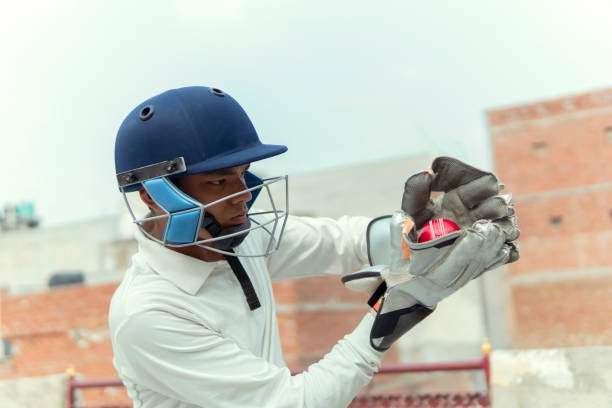

Starting as a wicket keeper is exciting, but choosing the right equipment can feel confusing for beginners. A keeper needs specialist gear to catch the ball, move comfortably behind the stumps and protect vulnerable areas during a match. Wicket keeping gloves are the most recognisable part of the kit, but pads, inner gloves, a helmet and other protective equipment also play important roles.
Whether you are buying your first junior cricket kit or helping a new club player prepare for the season, understanding each item makes it easier to choose suitable equipment. This guide explains the essentials, how to check the fit and what beginners should consider before buying.
Why Does a Wicket Keeper Need Specialist Equipment?
A wicket keeper spends much of an innings crouching behind the stumps, collecting deliveries, taking catches and attempting stumpings. The ball can arrive at different heights and angles, so the keeper needs equipment designed for repeated catching and quick movement.
Batting equipment is made for a different purpose. Batting gloves focus on grip and protection while holding a bat, whereas keeping gloves are designed to collect the ball. Wicket-keeping pads also have a different shape to support movement in a low crouching position.
Using properly fitted equipment can improve comfort, help the keeper move naturally and reduce exposure to avoidable impacts. Equipment does not remove every risk, so technique, supervision and following the club’s safety rules remain important.
1. Wicket Keeping Gloves: The Most Important Starting Point
Wicket keeping gloves are designed specifically for catching and controlling the cricket ball. They typically feature padded palms, protective finger sections, a web between the thumb and index finger, and a wrist cuff.
When comparing gloves, focus on these features.
Palm Grip
The palm is the main contact area when receiving the ball. Many keeping gloves use textured or dimpled rubber to provide grip and help the ball stay in the glove.
Look for a palm that feels secure without being excessively stiff. A worn or damaged grip may make catching more difficult, particularly during regular training sessions.
Finger Protection
The fingers are exposed to repeated impacts, so protective padding and finger caps are important. Check that the glove provides suitable protection while allowing enough movement to close around the ball.
Beginners should avoid choosing gloves based on appearance alone. Protection, fit and comfort matter more than colour or design.
Webbing Between the Thumb and Index Finger
The webbing helps create a catching pocket between the thumb and index finger. It is a defining feature of specialist wicket-keeping gloves and must meet the applicable Laws of Cricket.
Inspect the stitching and material around this area. Weak or damaged webbing can affect the glove’s usefulness and should be repaired or replaced before match play.
Wrist Cuffs and Fastenings
A padded cuff helps protect the wrist area and provides a more secure fit. Adjustable fastenings can help keep the glove in position while the keeper moves.
The glove should not slide around during catches, but it should not be so tight that it restricts circulation or movement.
2. Wicket Keeping Inner Gloves
Inner gloves are worn underneath the main wicket-keeping gloves. They are easy to overlook when purchasing a first kit, but they can make a noticeable difference to comfort.
Depending on the design, inner gloves can help absorb sweat, reduce rubbing and add a layer between the hand and the outer glove.
When choosing inners, consider:
- A comfortable, close fit
- Breathable material
- Minimal bunching around the fingers
- Compatibility with the outer gloves
- Easy washing and drying
Avoid inners that make the main gloves excessively tight. If the fingers feel restricted or the outer gloves no longer fit properly, try a thinner inner glove or a different size.
Wash and dry inner gloves according to their care instructions. Keeping them clean can help reduce odour and maintain comfort through regular practice.
3. Wicket Keeping Pads
Wicket-keeping pads protect the lower legs from impacts. They are shaped differently from batting pads because keepers need to crouch repeatedly, move sideways and rise quickly after each delivery.
When selecting pads, look for a balance between protection, comfort and freedom of movement.
Fit and Flexibility
Pads should cover the intended areas without digging into the knees or restricting the keeper’s stance. Try them on while wearing the clothing and other equipment you normally use for cricket.
Practise crouching, standing and moving sideways before deciding whether the pads are suitable. If they slide out of position or make it difficult to move naturally, consider a different size or design.
Weight and Padding
Lightweight pads may be more comfortable during long spells behind the stumps, but they still need appropriate protective padding.
Check the quality of the straps, stitching and protective sections. A secure fit helps prevent the pads from moving during a match.
Keeping Pads vs Batting Pads
Although both types protect the legs, their shapes and intended uses differ. Wicket-keeping pads are generally designed to support the keeper’s crouching position, while batting pads are shaped for a batter’s stance and movement between the wickets.
If you plan to keep wicket regularly, choose equipment specifically designed for the role.
4. Helmet and Face Protection
A cricket ball can strike a keeper’s head or face, particularly when standing close to the batter. A suitable helmet with a compatible faceguard is an important part of a keeper’s protective kit.
The helmet should fit securely, remain stable during movement and be suitable for the level of cricket being played.
Before using one, check the manufacturer’s fit instructions, condition and compatibility of the grille or faceguard. Do not use a helmet that is damaged or has been involved in a significant impact without following the manufacturer’s replacement guidance.
The England and Wales Cricket Board’s recreational safety guidance highlights head protection for wicket keepers. Specific requirements can depend on the player’s age, position, competition rules and playing conditions. Check the relevant club and competition guidance before playing.
5. Abdominal Guard and Additional Protection
An abdominal guard, often called a box, protects the groin area from impact. It should fit correctly and be worn with suitable supporting clothing.
The guard must remain in position when the keeper crouches, stands and moves. If it shifts or causes discomfort, check the fit and the way it is secured.
Other protective equipment may be useful depending on the keeper’s age, experience and position. Examples include thigh guards or additional body protection where appropriate.
Young players and beginners should ask their coach which items are required for their team and competition. Do not assume that every item is optional simply because a player is comfortable without it.
6. How to Choose the Right Wicket Keeping Gloves Size
Correct sizing is essential for both protection and catching control. Gloves that are too large can move around the hands, while gloves that are too small can restrict movement and cause discomfort.
Measure Your Hand
Use the manufacturer’s sizing instructions. Some brands ask you to measure from the wrist crease to the tip of the middle finger, while others may use different measurements.
Compare your measurement with the specific brand’s size chart rather than relying only on labels such as junior, youth or adult.
Check the Fit With Inner Gloves
If you plan to wear inner gloves, try them underneath the main gloves when checking the size. The outer glove should remain secure without feeling excessively tight.
Test the Catching Position
Close your hands around a ball and move your fingers and wrists. The gloves should allow you to form a comfortable catching position without excessive movement inside the glove.
For junior players, avoid buying an oversized pair simply to allow room for growth. Gloves that do not fit properly may make catching harder and can compromise protection.
7. What Wicket Keeping Gear Should a Beginner Buy First?
A beginner does not necessarily need the most expensive equipment. The priority is to buy suitable, well-fitting items that match the type of cricket being played.
A practical starter checklist includes:
- Wicket keeping gloves
- Inner gloves
- Wicket keeping pads
- A suitable helmet and faceguard
- An abdominal guard with appropriate support
- Cricket clothing and suitable footwear
- A kit bag for storage and transport
The club or coach may have additional requirements. Check these before purchasing a complete set, particularly for junior cricket, where sizing and competition rules can vary.
If the budget is limited, prioritise correct fit and suitable protection rather than decorative features or premium branding.
8. How to Maintain Wicket Keeping Equipment
Good maintenance helps equipment remain comfortable and makes it easier to spot damage before a match.
Clean Gloves After Use
Allow gloves to air out after training or matches. Follow the manufacturer’s cleaning instructions, and avoid soaking materials that are not designed to be washed.
Check the palm, webbing, finger caps, stitching and wrist fastenings regularly. Replace or professionally repair gloves if important protective sections are damaged.
Dry Pads Properly
Remove moisture after use and allow pads to dry in a ventilated area. Avoid storing damp equipment in a closed kit bag for long periods.
Inspect straps and padding for wear. Loose fastenings can affect the way pads sit on the legs.
Store Helmets Carefully
Keep the helmet away from unnecessary impacts, excessive heat and heavy objects that could damage its structure. Follow the manufacturer’s instructions for cleaning, storage and replacement.
Check Equipment Before Every Match
A quick check can help identify loose stitching, damaged padding, broken fastenings or other problems. Do not use damaged protective equipment in a match.
Common Beginner Mistakes to Avoid
Buying batting gloves for keeping: Batting gloves do not have the same catching design as wicket-keeping gloves.
Ignoring inner gloves: Inners can improve comfort and help manage sweat during long sessions.
Choosing the wrong size: Oversized gloves can move around, while tight gloves may restrict movement.
Using batting pads instead of keeping pads: Specialist keeping pads are shaped for the keeper’s stance.
Overlooking head and groin protection: These are important parts of a keeper’s protective equipment.
Neglecting maintenance: Worn webbing, damaged padding and loose straps should be checked before match play.
Buying only by price: Compare fit, materials, protection and durability rather than choosing solely by the lowest cost.
Frequently Asked Questions
What equipment does a beginner wicket keeper need?
A beginner generally needs specialist wicket-keeping gloves, inner gloves, wicket-keeping pads, a suitable helmet and faceguard, and an abdominal guard with appropriate support. Check the club’s and competition’s requirements before playing.
Can I use batting gloves for wicket keeping?
No. Batting gloves and wicket-keeping gloves are designed for different purposes. Keeping gloves have a specialist catching design, including webbing between the thumb and index finger.
Are wicket keeping pads different from batting pads?
Yes. Wicket-keeping pads are designed to support a crouching position and repeated movement behind the stumps. Batting pads are shaped for a batter’s stance and movement.
Do wicket keepers need inner gloves?
Inner gloves are commonly used to improve comfort, absorb sweat and reduce rubbing. Choose a pair that fits comfortably beneath the outer gloves without making them too tight.
How should wicket keeping gloves fit?
They should fit securely without sliding around, restricting circulation or limiting finger movement. Check the manufacturer’s size chart and try them with your inner gloves if you use them.
How often should wicket keeping gear be replaced?
There is no single replacement schedule for every item. Inspect gloves, pads and helmets regularly, follow the manufacturer’s guidance and replace equipment when its protective structure is damaged or it no longer fits properly.
Is expensive wicket keeping gear necessary for beginners?
Not always. Beginners can start with suitable entry-level equipment, provided it fits correctly and offers appropriate protection. More expensive models may use different materials or construction, but price alone does not guarantee the right fit.
Final Thoughts
Wicket keeping requires equipment that supports catching, movement and protection throughout an innings. Specialist wicket keeping gloves are an essential starting point, but inner gloves, correctly shaped pads, head protection and an abdominal guard also deserve attention.
For beginners, the most useful approach is to choose equipment that fits properly, suits the level of cricket and meets the relevant safety requirements. Check the size charts, inspect the materials and follow the manufacturer’s care instructions.
With the right gear and regular practice, a new keeper can build confidence behind the stumps while preparing for the demands of club or school cricket.